So you think you’ve found a fossil

First of all, if you think you have found a fossil then congratulations! You have successfully completed the most important part of being a geologist – getting out there and looking for interesting rocks or fossils. Secondly to make sure that you have found a fossil, we need to make sure we know what a fossil is. The Oxford English Dictionary defines a fossil as:

1: The remains or impression of a prehistoric plant or animal that have been hardened into rock

2: An old or outdated person or thing (ouch!)

So clearly we are more interested in the first part of this than the second. If we follow that line of thought, then fossils are the remains of any living thing that has been in the ground long enough that all, or parts of it, have turned into rock. Now that might seem pretty straightforward, but actually sometimes it can be very difficult to tell if you have the remains of a living thing or not – take a footprint for example, it’s the remains of a living creature, but it’s remarkably easy to see a footprint where actually there is just a depression in the rock.

Are these fossils?

Are these fossils?

And how do you know that something is even a rock?! It sounds strange, but it can even be tricky to work out if something has been buried long enough to be a fossil!

So here are some basic guidelines:

1. You know you have a rock when you can’t easily wash the dirt off – there may be dirt on top of rock, but if when you have given it a bit of a wash all you have left is just a handful of mud then sorry it’s not been down there long enough.

2. You know you have a rock when all the cavities are filled with either rock or crystal material – take a bone or a shell – if you can see lots of spaces where there is no material filling the gaps, it’s probably not a rock.

This is a bone that someone thought was a fossil....

This is a bone that someone thought was a fossil….

But when you look close up, you can see that the holes are not filled with anything - so this bone is not old enough to be a fossil.

But when you look close up, you can see that the holes are not filled with anything – so this bone is not old enough to be a fossil.

3. Now knowing you have a fossil is trickier – sometimes it’s just a matter of getting your eye in – but usually look for a regular pattern – that is dead giveaway.

Some patterns are easier to spot than others

Some patterns are easier to spot than others

Even if you don't know what it is, spotting a pattern is a good first step.

Even if you don’t know what it is, spotting a pattern is a good first step.

Cn you see the fossil in this one? It's an ammonite - look for the curling shape with lines.

Can you see the fossil in this one? It’s an ammonite – look for the curling shape with lines.

Some things look so strange you might think they are fakes - the stars in this are tthe fossilised stalk of an ancient sea creature!

Some things look so strange you might think they are fakes – the stars in this rock are the fossilised stalks of an ancient sea creature!

Some fossils are small or have been fossilised in an unsual way - some of these are on their sides!

Some fossils are small or have been fossilised in an unusual way – some of these are on their sides!

4. Most often the most useful thing you can do is look at what kind of fossils are usually found in your area – let’s face it, you’re very unlikely to find a t-rex skull in a garden in Greenwich, but if you know what fossils you should be finding you can work out if yours is more likely to be a fossil.

If you have managed to find a real fossil (well done!) then you have to work out what kind of fossil you have, and to do that you need to look at a geological map, which I’ll talk about next time.

Have a rockin’ day!

P.S. To help you with your own fossil discoveries, here a useful book you can look at:

Dorling Kindersley’s ‘Fossils’ book, last re-printed in 2010 (the link I have included is to Amazon so you can take a look at it, but I would recommend you check it out in your local library first, especially if you are just starting out).

Other good webpages to look at include:

The Natural History Museum

The Geological Society

(this post was moved from my old site, so sorry for any inconsistencies)
Staying safe while on fieldwork.

So new year, new blog, but as fun as geology is – and I hope you agree with me, looking at and for rocks and fossils is great fun! – the first post always has to be about safety. May be a little boring, but if you want to be a rock or fossil hound then the first thing you have to consider is looking after yourself.

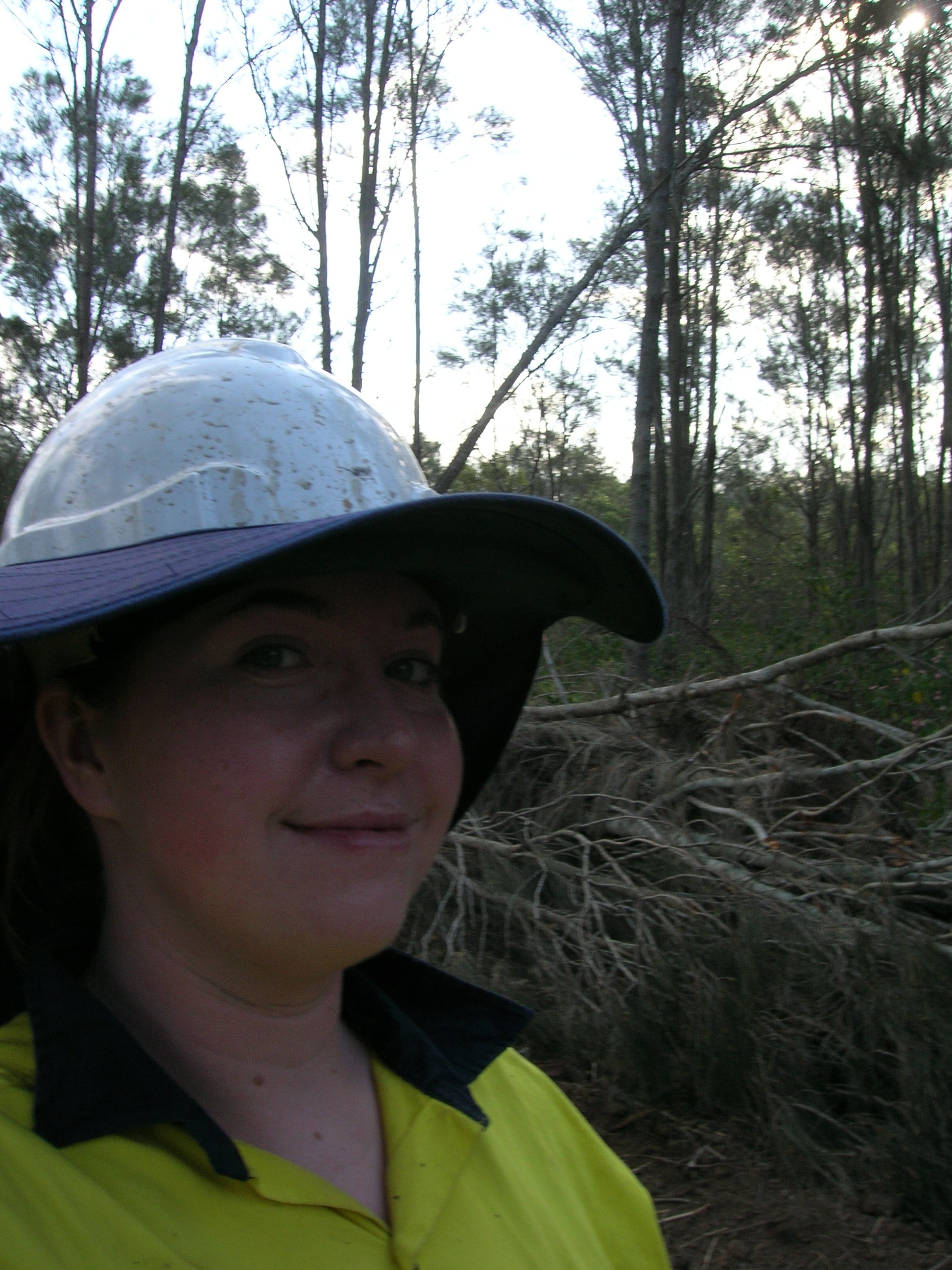
Can’t get much more protected than that!

Can’t get much more protected than that!

The main reason for this is that most types of geology are done outside (gasp) near rock faces, cliffs and other unstable lumps of stuff that could fall and hit you on the head. So in order to get this section out of the way quickly and get on to the best bits here is a quick guide to staying safe in the field.

1. Don’t go alone!

The first and most important thing to do when you are going out on ANY geo-related trip is; if at all possible don’t go by yourself. At the very least make sure you have some way of contacting someone if you MUST go by yourself.

‘Hello, Sally? No, everything is fine – I’ve just found some awesome fossilized ripples!!’

‘Hello, Sally? No, everything is fine – I’ve just found some awesome fossilized ripples!!’

On a similar theme, tell someone where you are going and when you expect to be back. I know it seems elementary, but having someone say ‘Hey wasn’t Joe supposed to be back with that Ichthyosaur head by now?’ when you are stranded on a beach with the tide coming in is a very useful thing indeed.

2. Wear proper clothes.

Again this sounds silly, but you would be surprised by how many people go on fieldtrips badly dressed – even university geology students. High heels are a no. As are any clothes that are difficult to walk in, restrictive or delicate (fancy floaty shirts and mud are never going to be great friends). I also want to make a point here about jeans. Jeans are terrible fieldwork trousers – not only do they get wet easily (and when they are wet they stay wet and get really HEAVY), but they also shrink when they get wet too. Not great for the end of the day – even less great if you have an accident. Cotton based trousers are best and if you’re cold – layer!

Ah my lovely walking boots – make sure they are done up tight around your ankle – it may feel uncomfortable at first, but it will save you lots of hurt later!

Ah my lovely walking boots – make sure they are done up tight around your ankle – it may feel uncomfortable at first, but it will save you lots of hurt later!

The best shoes are walking boots that support your ankle – it’s amazing how you don’t ever twist your ankle in a pair of well done up walking boots! – but you can judge what is appropriate by where you are going. If you are out in Britain – take a raincoat!! Come on, we may want to imagine we live in the south of France, but there is a very strong chance it will rain most of the time you want to go out (ditto for waterproof trousers). Though sunscreen and a hat in summer are also a good idea.

 3. Stay away from the cliff face.

If you are searching on a beach this can be very tempting, but unless you have a hard hat cliffs are a very bad idea. In 2012 alone the number of landslides along the south coast have been huge (and in at least one instance, fatal) and if you haven’t ever seen a rock fall or landslide – they can move fast! Faster than you would notice them and run away – so unless you are with a professional, stay away from the cliff. If you don’t believe me, look at this video from WDEF News and see what I mean.

Safety signs point out dangerous cliff faces (also look out for cliffs covered by plants)

Safety signs point out dangerous cliff faces (also look out for cliffs covered by plants).

If in doubt wear a hard hat.

If in doubt wear a hard hat.

4. Only go where you are allowed.

This kinda leads on from the last one really – an old quarry can be a brilliant place to find great rocks and minerals – but only if you are allowed to go in. Some quarries are public access and considered mostly safe, some allow visitors if they are with a professional, but always check. If there is barbed wire, angry looking signs in red or yellow, or dogs – stay clear! This also applies to private property – check you are allowed to collect before going rummaging around on someone’s farm or garden.

Nice public access quarry.....

Nice public access quarry…..

..... less nice private land.

….. less nice private land.

5. Check the weather!

I may have joked about it earlier, but bad weather can really ruin your day – and even put you in danger. We aren’t always going to have lovely balmy days when we go collecting, but equally going fossil hunting in a force 10 gale, when it is snowing, and there is hail the size of your fist, isn’t a brilliant plan. Settle back into your sofa, dig out your favourite fossil book and go tomorrow. The good thing about geology? It’ll still be there the next day!

Who knew even clouds could be geological?!

Who knew even clouds could be geological?!

Of course there are lots of other things you can do to keep yourself out of danger – and I suggest you do them, but for me, these five are the most important. So remember stay safe and if you don’t feel comfortable don’t do it – even people that should know better sometimes do stupid things!

Yeah that isn’t such a great idea.

Yeah that isn’t such a great idea.

If in doubt follow The Geologist’s Association Fieldwork Code (part 1 and part 2) – it also includes treating places with respect which I’ll go over in another blog, but it is very handy (and detailed!).

Have a rockin’ day!

(this post was moved from my old site, so sorry for any inconsistencies)

My first post…

Hello all you rock-lovers!

Welcome to my first post on this new blog giving me free reign to indulge in my love of rocks. If you like rocks too, or fossils, or minerals or anything that originates under the surface of our amazing planet, then please comment, give me an idea of what you would like to hear about or just share your brilliant rocky stories with me! I hope to add some good rock and fossil hunting sites that I have been to and some tips on how to identify common discoveries in the UK. The rest will just be me talking about much we like rocks!!

Be warned there may also be some really bad rock puns along the way.

I hope you enjoy it!