Ice – Day 7 of the Mineral Advent Calendar

This holiday season, why not get a mineral every day instead of chocolate? Today’s mineral is Ice find out more about it below..

So at this point you might be looking at the screen and going – ‘ICE?! That’s not a mineral!’ But in fact it is – it’s just a mineral with a really low melting point, so it’s one of the few minerals that you can not only see commonly in its natural form, you can also synthesise it too! Yes, you can create your own mineral synthesising environment by filling a tray with water and putting it in your freezer. And although this is still ‘ice as a mineral’, because you force the mineral to grow in an unnatural environment, it rarely forms the kind of structures you would associate with natural ice crystals. And as it is #MicroscopyMonday, what better way to look at ice than through a microscope.

There are two types of ice that I relate to the season; the first is natural, falls from the sky and I very rarely get to see in the UK. Yes I am talking about snow, and if you have never seen a snowflake through a microscope you are in for a treat, because they are exceptionally beautiful.
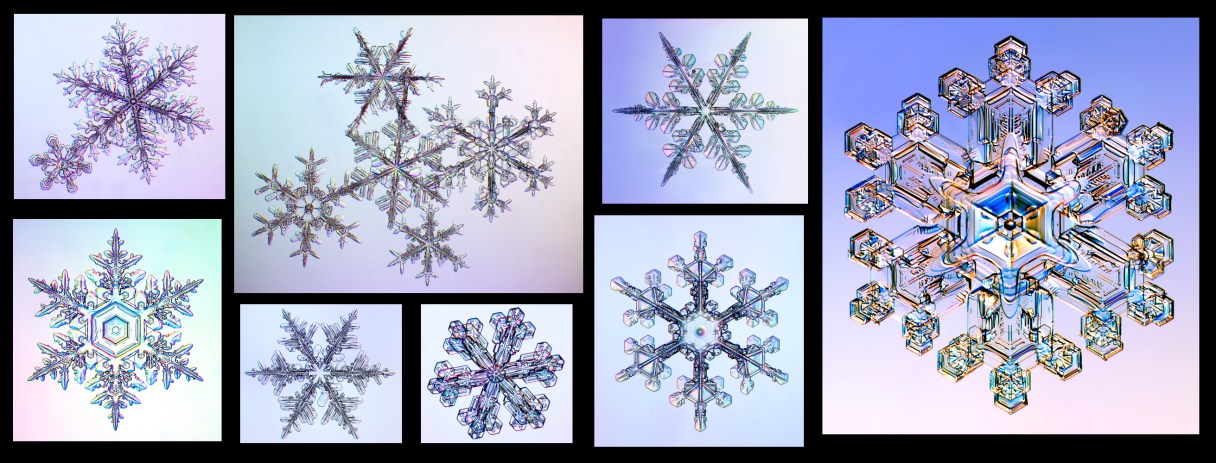
Absolutey gorgeous photos of the stellar dendrites form of ice, please visit Kenneth Libbrecht's webpage form more spectacular imagery.

Absolutey gorgeous photos of the stellar dendrites form of ice, please visit Kenneth Libbrecht’s webpage form more spectacular imagery.

The second type of ice we see commonly at this time of year comes out of tub in your freezer (my favourite is chocolate – obviously!) and this photo is one taken by Steve Furzeland for some research being done at the Electron Microscopy Centre in Plymouth – yes, it’s ICE CREAM!
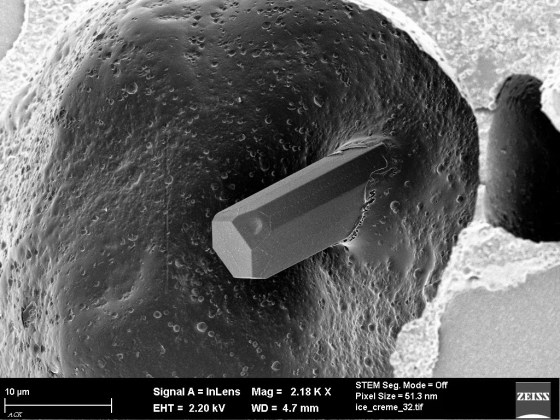
A great image of an ice crsytal in Ice Cream, taken by the Plymouth University Electron Microscopy Centre.

A great image of an ice crsytal in Ice Cream, taken by the Plymouth University Electron Microscopy Centre.

 Ice:

Chemical formula: H2O
Colour: Colourless to white
System: Hexagonal
Hardness (Mohs):
Can you find it in the UK? Er, yes? Seriously, you even have to ask!!

Ice. It gets everywhere! (image from prettymyparty.com)

Ice. It gets everywhere! (image from decoration idea supplied on prettymyparty.com)

There are many forms of ice beyond the branching six-sided (because they are hexagonal – get it?) shapes so as I say go back and look at Kenneth Libbrecht’s website for more forms.

For more information about Ice please visit the MinDat website.

Check out more Plymouth University Electron Microscopy images here.

Rozenite – Day 6 of the Mineral Advent Calendar

This holiday season, why not get a mineral every day instead of chocolate? Today’s mineral is Rozenite find out more about it below..

So it’s the first Sunday of December and if you are anything like me then you probably spent most of the day getting your tree and decorating it!!

Decorating the tree is one of my favourite parts of the season - I wish it could stay up until March!

Decorating the tree is one of my favourite parts of the season – I wish it could stay up until March!

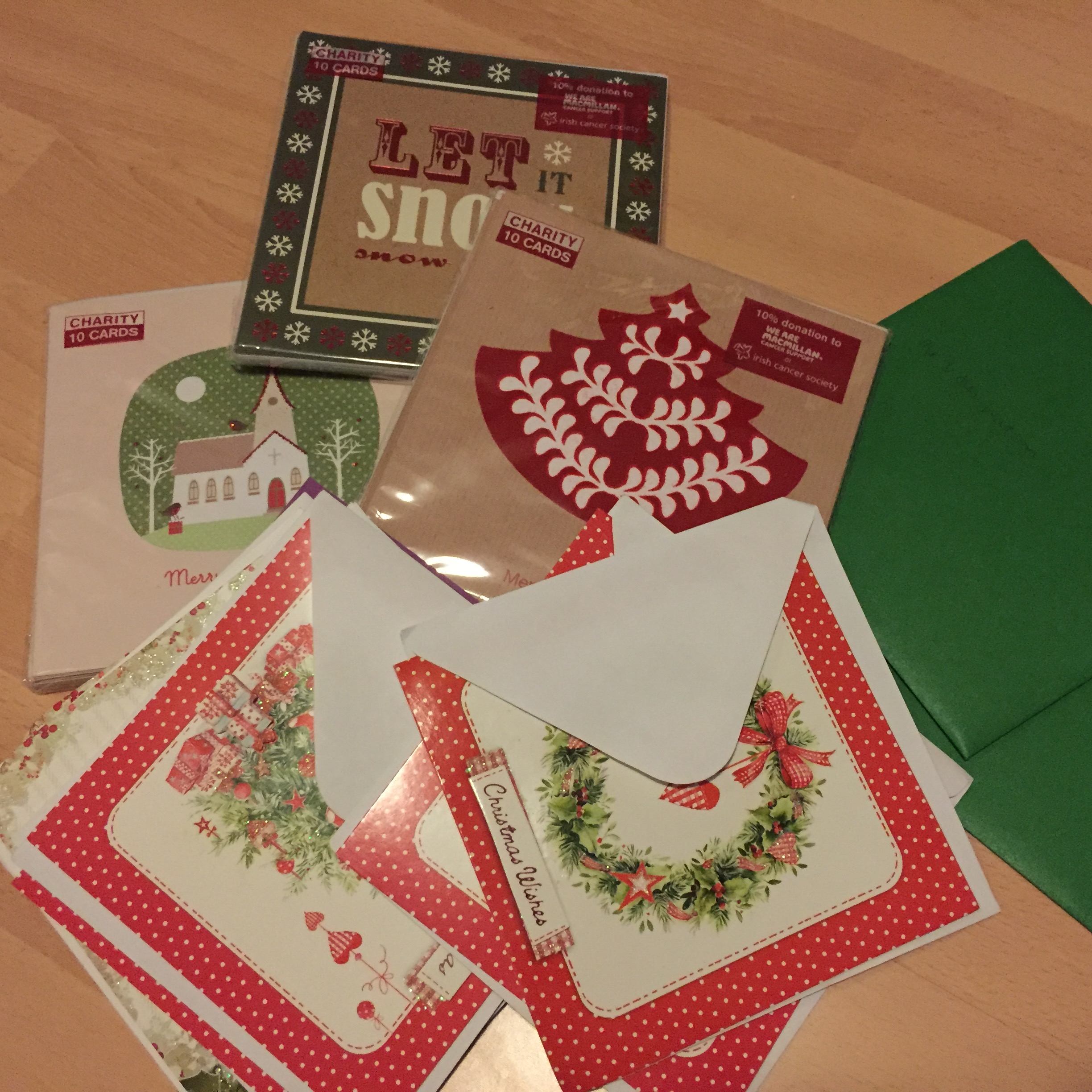
But now that the evening is drawing in, it’s time to snuggle up with a warm cup of hot chocolate (try putting some gingerbread flavour in – it’s AMAZING!) and start writing your greetings cards. This is something that I struggle with, as I always forget at least one person or can’t find the right address, and goodness me postage stamps cost a fortune now! There is also the argument that in this day of wasteful culture we shouldn’t send paper greetings cards as it is bad for the environment, but I love getting real cards, and so try to send them as often as I can. For you my dear readers, in lieu of a card I have made a donation to the MinDat website – a brilliant website that lists all the minerals we know about and provides beautiful images as well as extremely valuable information, so if you are looking for a good cause to support this holiday season, why not make it a mineral-ly one (full disclosure: I have no connection with the MinDat website apart from knowing a few people who add data to it, I am just a huge fan and [clearly] use it a lot so I like to give back)!


Seasons greetings to all my lovely readers! Here is a small donation to keep the wonderful MinDat website in business!

Seasons greetings to all my lovely readers! Here is a small donation to keep the wonderful MinDat website in business!


So many cards to choose from!

So many cards to choose from!

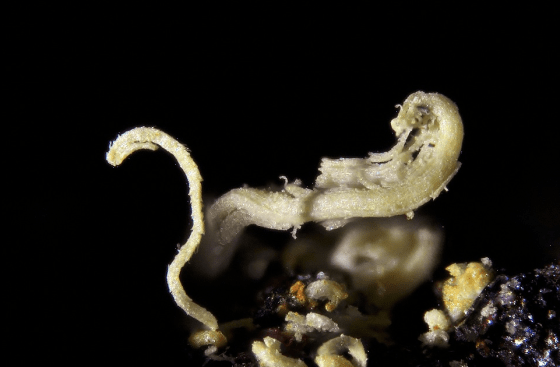
If you are like me though and want to send a real card, get out your pens and get ready to get writing – but in order for your pen to work you need ink, and some of the most famous inks throughout the ages have been made by oxidsing ferrous salts with different pigments. One of these salts can be found in the mineral Rozenite and it’s gorgeous – especially under the microscope!


The mineral Rozenite from the MinDat website, image by Mischa Crumbach.

The mineral Rozenite from the MinDat website, image by Mischa Crumbach.

Rozenite:

Chemical formula: FeSO4 · 4H2O
Colour: Colourless to white
System: Monoclinic
Hardness (Mohs): 2 – 3
Can you find it in the UK? Yes

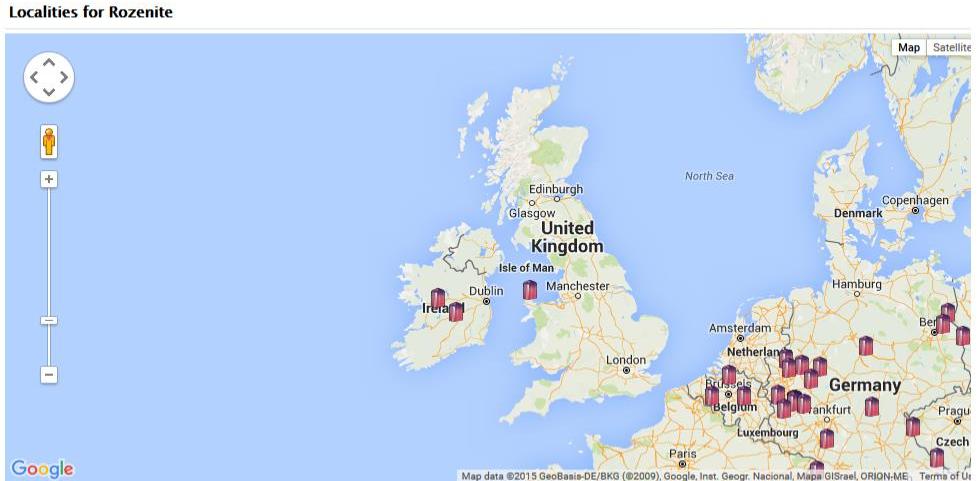
The location of Rozenite in the UK from the MinDat website.

The location of Rozenite in the UK from the MinDat website.

Rozenite is not common in any quantity in the UK, but it has been found in the past on Anglesea, so perhaps if you visit you may still find some – however it is difficult to identify, given its generally white powdery nature as it forms as the alteration product of other more common iron sulphides (like Pyrite).

For more information about Rozenite please visit the MinDat website.


Cassiterite – Day 5 of the Mineral Advent Calendar

This holiday season, why not get a mineral every day instead of chocolate? Today’s mineral is Cassiterite find out more about it below..
One of the most obvious signs of the season is the number of church based carol  services that you get invited to – and if you are in a church you are probably enjoying the dulcet tones of a full pipe organ.


Even the fox at the Royal Albert Memorial Museum (RAMM) is excited about the holidays!!

Organ pipes provide the backing to some of our favourite seasonal music! (Image from Wikipedia)

Organ pipes provide the backing to some of our favourite seasonal music! (Image from Wikipedia)


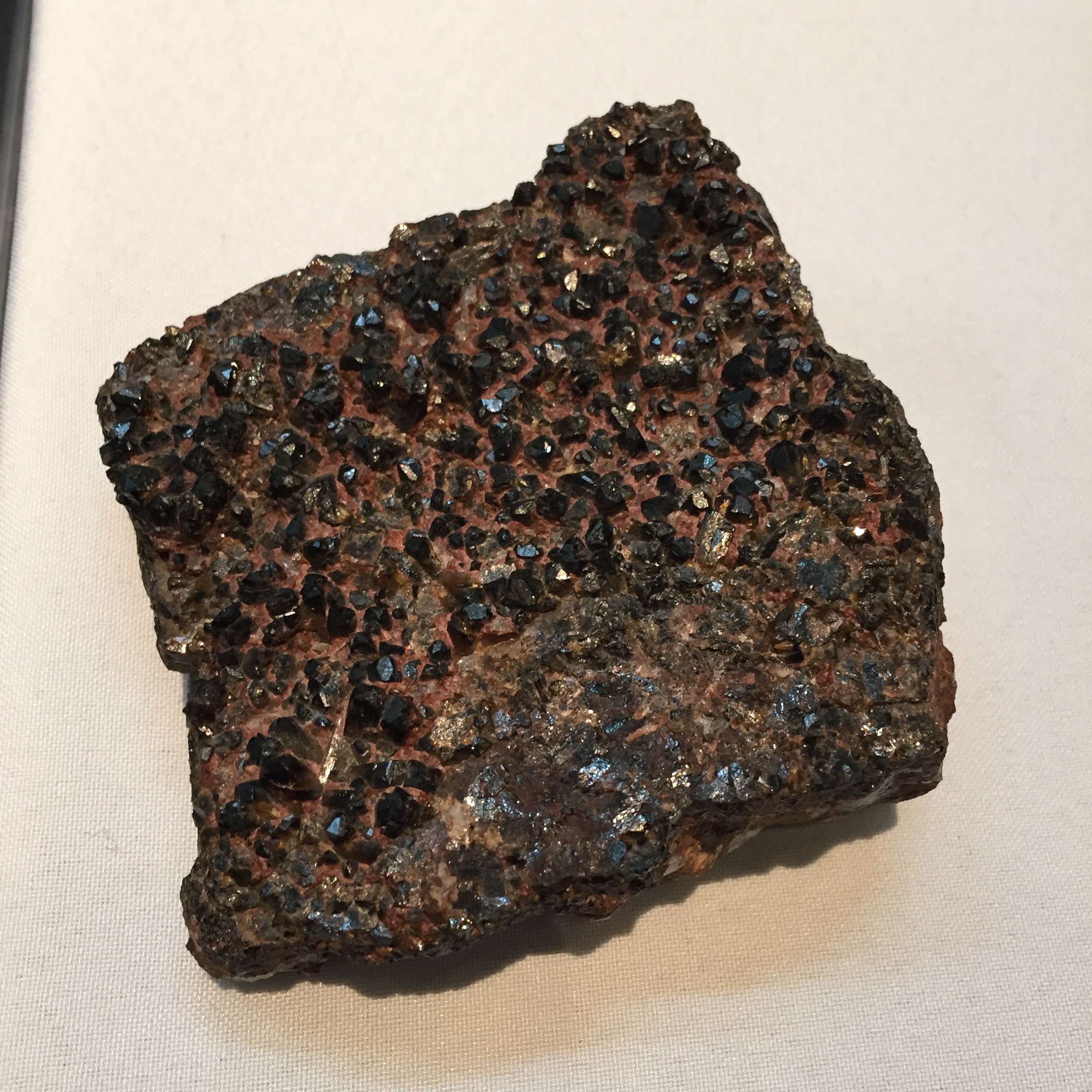
Organ pipes are made with tin, a metal that you get from the mineral ore cassiterite. In one of the best museums in Devon, the Royal Albert Memorial Museum (RAMM) you can come and handle museum specimens found locally and talk to volunteers like me! We have a lovely sample of cassiterite at  Local Finds table that you can come and have a close look at!


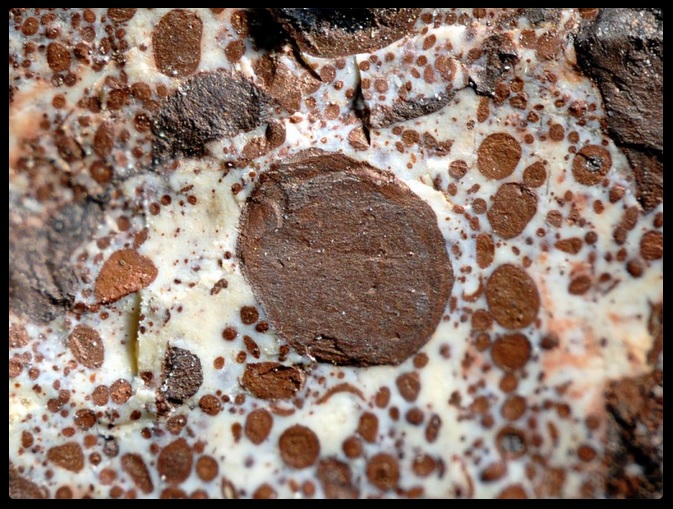
Lovely Casserite specimen sample from the Royal Albert Memorial Musuem's Local Finds handling table.

Lovely Casserite specimen sample from the Royal Albert Memorial Musuem’s Local Finds handling table.

Cassiterite:

Chemical formula: SnO2
Colour: Black, yellow, brown, red or white.
System: Tetragonal
Hardness (Mohs): 6 – 7
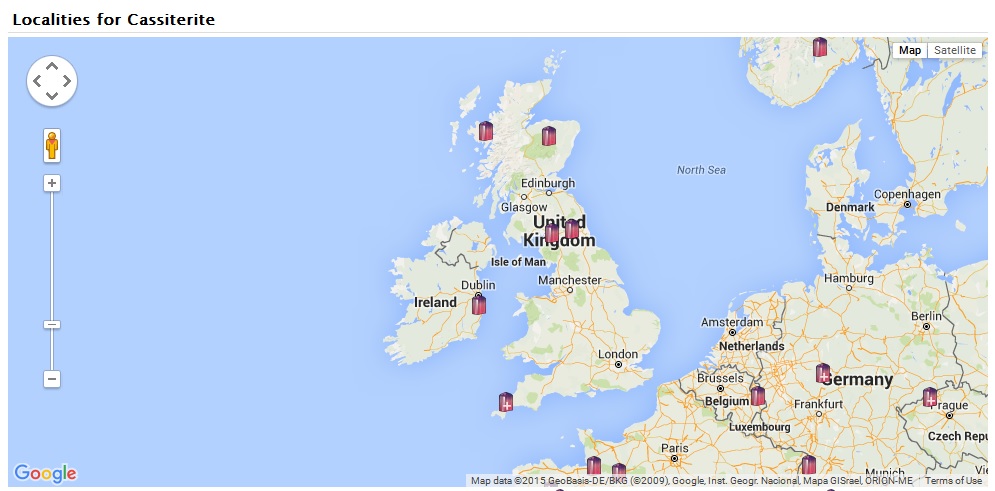
Can you find it in the UK? Yes

Location of Cassiterite in the UK from the MinDat Website

Location of Cassiterite in the UK from the MinDat Website

Cassiterite is such an important mineral for the UK that large portions of the nations wealth were based up on it in the last thousand years. Tin streaming, a mineral collection activity practiced throughout the human occupation of Britain, developed into tin mining mainly based in Cornwall and was a one of the central sources of the county’s income. There is even a saying based around the importance of tin and copper mining:

Cornishmen are fishermen, Cornishmen are miners too.
When all the fish and tin are gone, what are Cornishmen to do?

For more information about Cassiterite please visit the MinDat website.

Bauxite – Day 4 of the Mineral Advent Calendar

This holiday season, why not get a mineral every day instead of chocolate? Today’s mineral is Bauxite, find out more about it below..

Wherever you go at this time of year you can’t turn around without being presented with delicious baked treats! Cinnamon, nutmeg and ginger are EVERYWHERE and they smell deeeeelicious!

ALL THE CHRISTMAS COOKIES! (Image from Wikipedia)

ALL THE CHRISTMAS COOKIES! (Image from Wikipedia)

But in order to shape these yummy delicacies you need cute snowflake, gingerbead men and star shaped cookie cutters. The best cookie cutters are made with aluminium and to find  aluminium for the cutters you need an ore like Bauxite.


Bauxite photo from the MinDat website, taken by Chris Auer.

Bauxite photo from the MinDat website, taken by Chris Auer.

Bauxite:

Chemical formula: Al(OH)3
Colour: Shades of brown, pink and orange
System: Amorphous
Hardness (Mohs): 1 – 3
Can you find it in the UK? No

Bauxite is not actually a mineral, but, similar to Monazite, the term describes a group of minerals that represent the primary ore of aluminium. These minerals include Gibbsite, Bohmite and Diaspore and although it is not a particularly attractive mineral is extremely valuable commercially. Unfortunately it isn’t found in the UK (as far as I know – please correct me if I’m wrong!), but you can find it in nearby France!

For more information about Bauxite please visit the MinDat website.

Cerussite – Day 3 of the Mineral Advent Calendar

This holiday season, why not get a mineral every day instead of chocolate? Today’s mineral is Cerussite, find out more about it below..

One of my favourite things about this time of year is tucking up under a nice blanket with a hot chocolate and a seasonal film! And there are so many to choose from:

I love seasonal movies - have you watched Elf yet? WHY NOT!?! GO watch it as soon as you have finished this post!

I love seasonal movies – have you watched Elf yet? WHY NOT!?! GO watch it as soon as you have finished this post!

But in order to watch these cinematic gems (*excuse the pun) you need a nice shiny LCD television (or similar). If you want your TV functioning in full technicolor (even if you are watching a classic like ‘Christmas in Connecticut’) you need lead – and you get that from minerals like Cerussite.

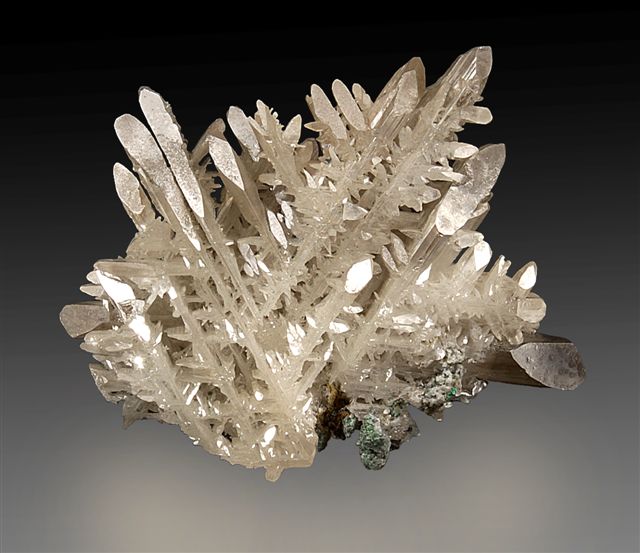
Gorgeous Cerrusite (this photo is from Wikipedia), many more gorgeous images of Cerussite are available on the MinDat website!

Gorgeous Cerrusite (this photo is from Wikipedia), many more gorgeous images of Cerussite are available on the MinDat website!

Cerussite:

Chemical formula: PbCO3
Colour: Colourless, white, gray, blue, or green
System: Orthorhombic
Hardness (Mohs): 3 – 3½
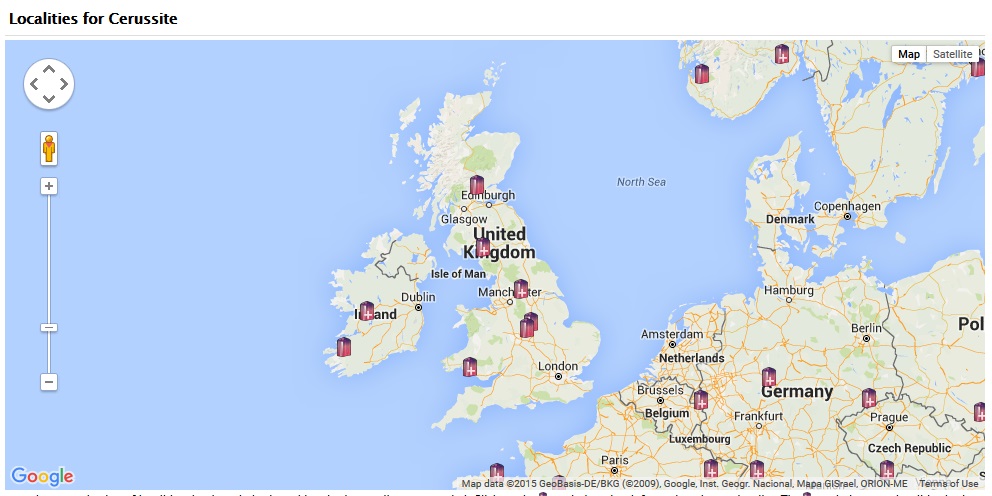
Can you find it in the UK? Yes

Locations registered for Cerussite in the UK, from the MinDat website.

Locations registered for Cerussite in the UK, from the MinDat website.

Cerussite is a lead carbonate mineral and is commonly formed as a result of weathering of Galena and other lead ore minerals. Cerussite can be found in several locations across the UK, but is not commercially mined in this country.

For more information about Cerussite please visit the MinDat website.