Women can understand fracking!

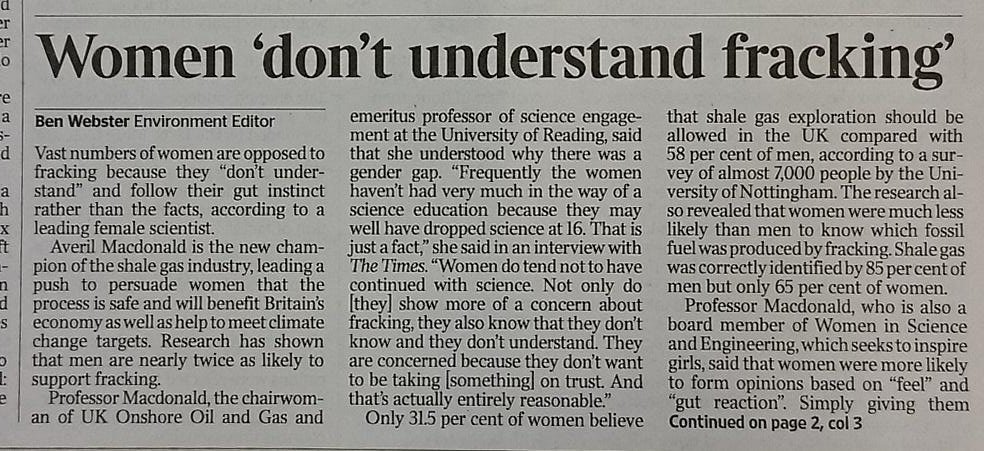
Women 'don't understand fracking' article in the Times from @EbenMarks

Women ‘don’t understand fracking’ article in the Times from @EbenMarks

This morning I was sent an article from the Times titled ‘Women ‘don’t understand fracking’. This article was forwarded to me because my research into what people think about geology has occasionally brushed onto fracking and as such I have a very keen interest in how people think about fracking and what impacts on the decisions that they make about it. Professor Macdonald’s comments were perceived as controversial, and the article opened with:

“Vast numbers of women are opposed to fracking because they ‘don’t understand’ and follow their gut instinct rather than facts, according to a leading female scientist.”

The article went on to quote a study done by the University of Nottingham, which stated that 31.5% of women believe that that shale gas exploration should be allowed in the UK as opposed to 58% of men, and that 65% of women identified shale gas as the product of fracking as opposed to 85% of men (the article said ‘correctly’, but as you can extract different types of fossil fuels using fracking including oil and methane – I would want more info before drawing that conclusion).

The specific Nottingham University study itself was not made clear in the article, but it is here and it forms part of an ongoing series of studies about how we in the UK perceive shale gas extraction and fracking. The studies have provided many interesting results, but the focus on gender highlighted in this article has raised concerns. I was asked in the context of my work – had I found any gender bias in this issue of how people perceive geology? The short answer to that is not yet. The long answer is that I am less interested in the influence of gender and so am not specifically looking at that factor, and also that most of my data is still qualitative and so I would not want to draw general conclusions at this point.

But I wouldn’t be surprised if I did.

It seems to be true that there is a gender difference in the way that men and women perceive science in general and fracking in particular – the work done by Nottingham is good and should be trusted. This issue here for me is more about the context of that difference. The article mentions that women may have less access to science education because they may not have continued science (or any STEM subject) post 16, and that would lead them to feel less confident in their understanding of science. The article then continued with the statement from Professor Macdonald:

“women are more likely to form opinions based on ‘feel’ and ‘gut reaction.”

The quote is continued in another article (as the Times is behind a paywall and I only got a small part of it):

“Merely showing them more facts demonstrating that fracking was safe would not change their minds, she said.“Why are men persuaded? That’s because an awful lot of facts have been put forward,” she said. “[Men] will say, ‘fair enough, understand’. But women, for whatever reason, have not been persuaded by the facts. More facts are not going to make any difference. What we have got to do is understand the gut reaction, the feel. The dialogue is more important than the dissemination of facts.”

(continued from the Telegraph)

What this article fails to do, is separate two very important issues:  the difference between access to science for different genders, and how having a science education can make you feel more confident in discussing and debating science issues. The problem, as I see it is this:

  • Girls are less likely to access science (or STEM) post-16 than boys

AND

  • If you have not had a science education, then fact-based science communication is harder to engage with.

What it doesn’t mean is that women are less able to engage with science than men, that’s a fallacy of logic. There are men who didn’t engage with science post-16 that struggle with fact-based science communication, just as much as there are women who have had access to post-16 science education who are completely comfortable with fact-based communication.

Working with girls from my old school on a STEM day (photo from the Herald Express)

Working with girls from my old school on a STEM day (photo from the Herald Express)

The context that is missing from this article is culture. Women have culturally, for hundreds of years, been told that science is not for them, so they don’t engage with education. When someone of any gender doesn’t engage with education, it becomes harder to understand the intricacies of that subject later in life. What I have found in my research, and what I increasingly believe to be true, is that most people regardless of their gender want to know more about fracking, but the answer to that thirst for knowledge is not just facts. As communicators we need to take into account the different influences on people’s lives and not just expect them to understand and agree with us when we present them with data.

So really I think this comes back to the title of this piece – ‘Women ‘don’t understand fracking’. Well maybe, for deeper cultural reasons, this is true – but actually I think the headline should read, ‘Women (like men) CAN understand fracking’ and it’s our job as science communicators to help make this happen.

Can you blog and write papers at the same time?

Writing for blogs and academia

Recently I have entered solidly into the marathon of writing up my thesis. Now I know that you are supposed to be doing this all the way through your PhD and yes, I have been writing the whole time. But for me, if I don’t take a big run at it and do it in one logical progression, I just can’t make it make sense. So I have loads of one two and three page word documents scattered across my ‘Thesis’ folder (a title that has inspired a small frisson of terror in me, ever since I named it), none of which connect to each other in any meaningful way!

However, since I sat myself down and said:

‘Now you are going to do this Hazel, no more procrastinating, no more waiting for data, this is the time to write and make your argument!’

I have been writing in a much more logical way, and my arguments are coming together nicely (or so I in my little writing cave of a mind think). The good thing about that is that all the ideas that I have had for papers over the last year are making a great deal more sense to me now, I can draw the threads of my arguments more confidently from my thesis writing and I feel good about writing these papers. The bad thing is that I have never written a purely acadmeic paper – I’ve been blogging.

When it comes to writing short, logical, pieces that make a case for one particular thing, the area in which I have most experience over the last year is – here. The blogs that I have written and planned over the last two years have been my most reliable source of written output during the entire last phase of my PhD, and they are written extremely differently to a paper. I write colloquially, with slang terms and I often leap from idea to idea in the way that my brain does (yes, I’m a bit of a scatterbrain – ok a LOT of a scatterbrain).

This format of writing really doesn’t mesh well with writing papers. It doesn’t seem to impact my thesis too much as I know that I am going to be writing and re-writing that until next year, but for papers I seem to get stymied in my informal writing style!

This problem reflects the issue of writing in an academic language. Academic language is what you are taught (with varying degrees of success) to write with at University as an undergraduate. In the physical sciences its most obvious expression is writing in the third person (which reflects the notion that the scientist is supposed to be completely objective about their work), but it is used in all areas of academic life – in subtle and complicated ways. In fact, the success of your use of academic language and methods of thought is one of the things which mark you out as an expert in your field, as explored in a recent paper by Dressen-Hammouda (2008) on disciplinary identity and genre mastery. So if you are attempting to write a paper to expand the boundaries of your science (whatever it might be), you need to use the right textual cues and knowledge frames. This basically means you have to know the academic language (with all the implied meaning not obvious to an outsider) you need to use to make yourself credible to your peers and you need to know how to link concepts together in the same way that another person versed in your science would do so.

The language of scince should not be used to exclude.

The language of science should not be used to exclude. (The mural is one I saw on the doors of a geology firm in Cornwall: Geoscience Ltd – the photo is my own).

But this is completly the opposite of the style used for writing for a blog (or any form of science communication to a non-expert audience for that matter). In a blog you try to make yourself relatable, understandable and sympathetic. You want people to see you as a person and not a machine of science, and you want people who are not a part of your little community to feel comfortable coming in and talking about your subject with you. 

How do you balance these two competing needs? As a science communication researcher I value the method of easy communication that blogging needs, but I also need to contribute to my field. As a possible solution I am trying something new. At the end of a day of writing towards one of my chapters I am writing a page of one of my papers. I hope that this will allow the transfer of language across from the papers I have read to the papers I am writing.


To all you bloggers out there, do you have any tips for switching between your academic and internet ‘voice’?


Follow my blog with Bloglovin

Who is your support group?

When I was 7, my school held a musical evening – a night when all the music teachers that taught different instruments came to the school and attempted to tempt kids to pick up a trumpet, or oboe, or bassoon (an if you have never seen a 7 year old with a bassoon – it’s hilarious). I had a brilliant time running around blowing on milk bottles to see if I could master the wind instruments, or trying to make a noise out of the trombone mouth piece, but it was the string instruments that drew me in – I loved the sound of the cello, but if I am short now (and I am) I was teeny then, and my hand couldn’t reach around the neck of the cello with enough strength to make the right notes. So the violin, as my second choice was it. I turned to my Mum and asked if I could take lessons. The teacher, Mr Robinson, said to my Mum:

‘Is this a commitment you can make? She will need your support to learn.’

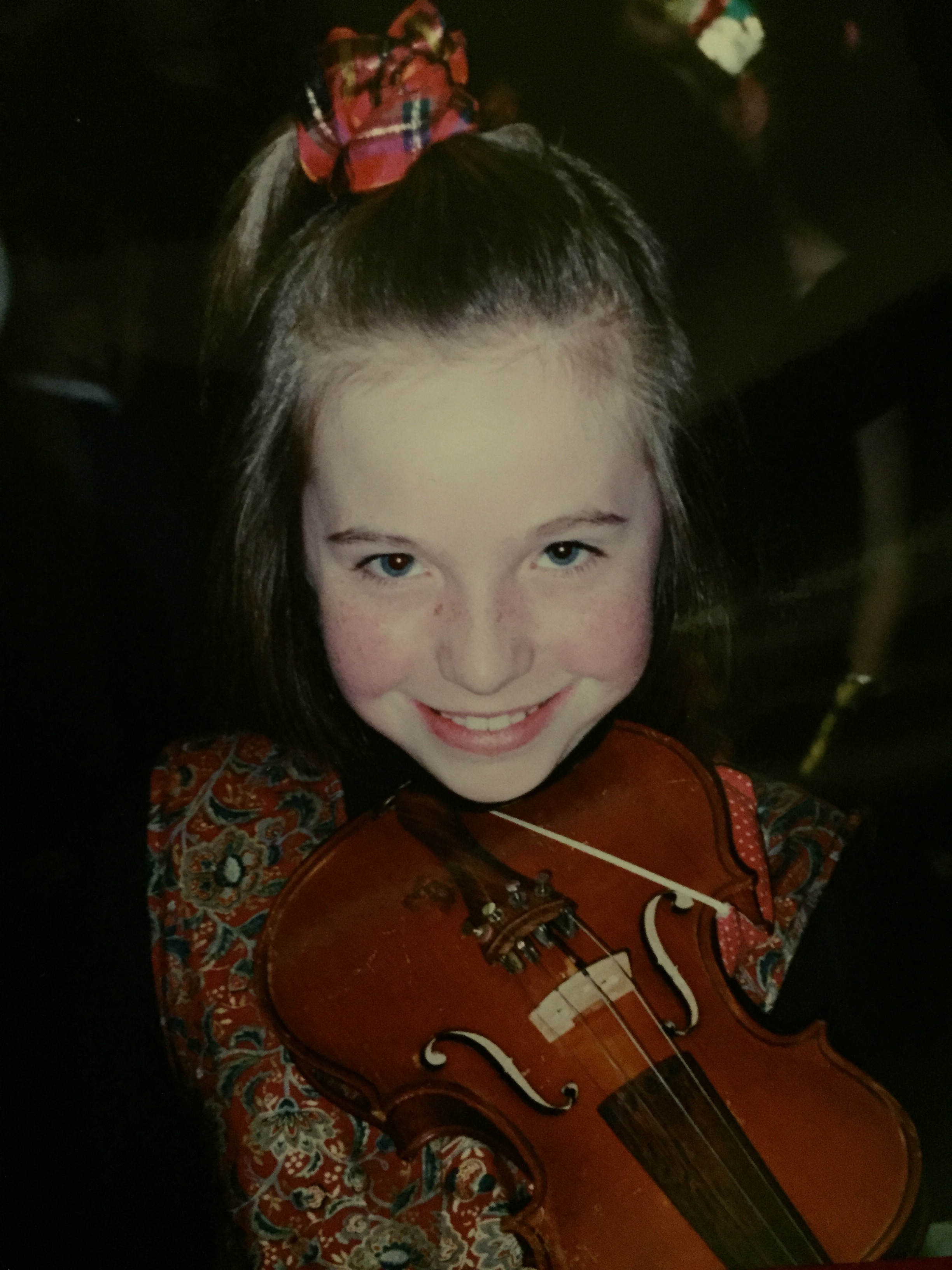
My short lived career as a violinist - note the snazzy waistcoat and scrunchie!

My short-lived career as a violinist – note the snazzy waistcoat and scrunchie!

Since those days, I recently realised, a lot, and nothing at all have changed. Doing a PhD is, in many ways, an experience in getting to know yourself. In fact if more people chose to undertake a PhD rather than going off on a yoga retreat, we may know much more about every area of human curiosity. Also, I imagine, introducing yourself as doctor wouldn’t be nearly as satisfying. But still it is something that I as an adult, an independent and (mostly) functioning member of society chose to do. And there is noting so true as saying that when you do a PhD you do it alone. But the thing I always think is that it would be so much more impossible without my amazing support network, at the front of whom are my family.

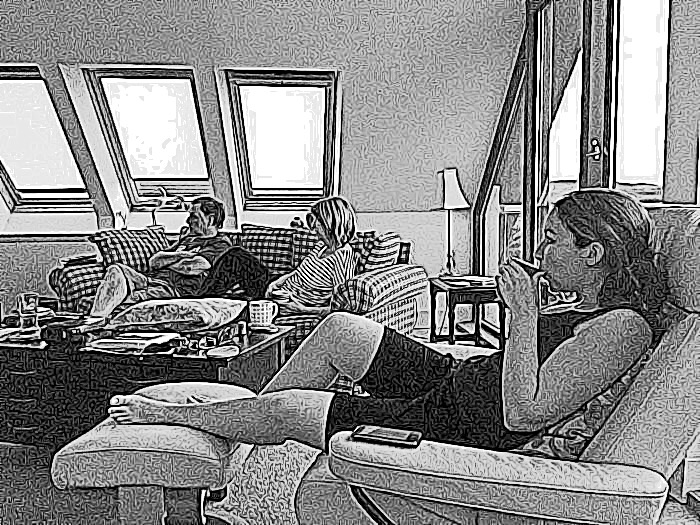
My family are always there to support me

My family are always there to support me

My family has been with me in every step that I have taken on this path, from reading my undergraduate dissertation, helping me pack to move for my first job overseas, forcing me out of bed during my brief period of unemployment in 2008 (great year to be unemployed), being my emotional, educational and financial support system through many highs and lows, to now – letting me move back in so I don’t have to live in some awful student flat! And I am not alone. One of my colleagues has been living with his cousins and their young family for over a year. Another PhD told me recently that your thesis will only be read by your Mum and your viva committee – and they were right! My Mum is going to read it!! She read my sister’s too!

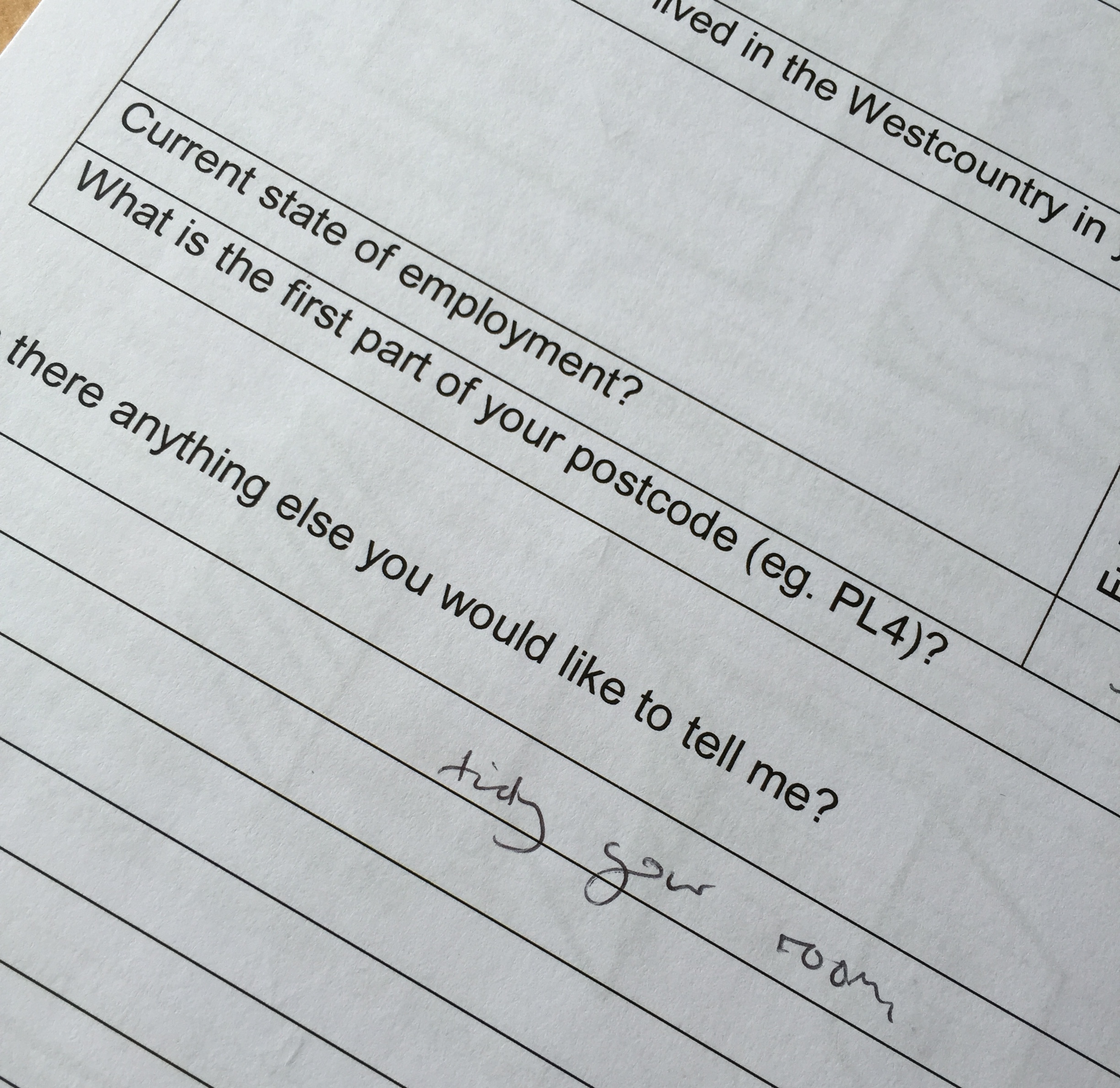
This afternoon, my sister and her partner came to visit us. We had a lovely lunch, caught up on all the news, and then I tested my questionnaire on them. Yes you read right, not only did I waste some visiting time on a questionnaire, but my family is always my first testing ground when it comes to this stuff. I send my Dad my chapters. I ask my Mum to proofread my grant applications. I discuss the pros and cons of having a neutral option in a questionnaire with my sister.

Though some things never seem to change....

Though some things never seem to change….

That they let me do this, I find amazing. But that they also continue to encourage me and provide positive support whilst I angst out my results in my little selfish PhD bubble, I find spectacularly moving. I am so lucky in my family and friends. Friends who know that I won’t speak to them for months, but when I send out a facebook message saying ‘I’m in London, who is free?!” will take me for a beer and a burger. Friends who text me just to say, ‘I’m thinking of you.’ This is what you need to do a PhD, because actually – it is a commitment you need to get, you need support to learn. 

So turn to your support network, family, friends, partners, children, other PhDs – whoever they are and give them a big THANKYOU hug.

Because without them, this would be a whole lot harder.

Losing the joy – the love/hate nature of doing a PhD

I am currently in the final stages of doing my PhD; collecting final data and attempting to write up my monster baby of a thesis, and on an almost daily basis now I am facing the reality  of completing this project. It is a well known fact that a PhD is a marathon and not a sprint – and that you have to choose your subject really carefully because it will be, in essence, the ONLY thing that you think about for between 3 and 4 years.

Now I consider myself really lucky in the way that I came to do my PhD. I’m older, have worked in ‘the real world’ and had to leave a paying job (with an independent life) to come and do this, so it was not a spur of the moment decision. I had to think long and hard about whether it was right for me – could I really be happy turning 30, when back as a student at University again? I decided, yes, I could be happy – and what’s more not only did I want this challenge, but that it was the right challenge for me. And my subject was PERFECT.

I love my subject!

I love my subject!

I love my subject. Like, really REALLY love it – I could spend all day talking about geology, and how people understand geology and how they talk to other people about geology. It’s inspiring and fascinating at the same time. It is the only subject that I could successfully do a PhD in, because to me it is (to paraphrase the Lego Movie):

‘The greatest, most interesting, most important subject of all times.’

 But today, as with many days over the last year – I also hate it.

This is a difficult thing to admit to anyone other than another PhD student, because you are not supposed to hate your subject – not least because you have given up 3 years of your life to dedicate to it, but yes hatred is definitely the right word. I hate that I constantly feel that I haven’t done enough for my data, that they are sitting there judging me, saying ‘what have you been doing with your time?! You could have completed two independent analyses of these data in the time it’s taken you to do one!’. I hate the fear that I have gotten it wrong; not my interpretation of the data (which as a scientist I accept as part and parcel of doing research), but the analysis again – did some stupid mistake skew everything I have been doing?! I hate that I have so much time and so little. I hate that the subject is not cut and dried, there are no easy numerical answers with cognition.

The tricky thing is that a lot of the things I hate, are also some of the reasons why I keep coming back to loving this. I love that my data is constantly provoking new questions or I would be bored. I love the qualitative nature of the work and, although I don’t love it, I value that my work keeps me second guessing myself so that I don’t become complacent.

I guess what it boils down to is that on a good day, my love for my topic makes it really easy to throw everything that I have at this. I’m optimistic, driven and focused. But on a bad day I hate my PhD so much that I am barely able to look at my computer and writing anything becomes like pulling my nails out. I struggle with this dichotomy. Each day I’m pushing myself more and more to finish, to make it make sense, and remember why I started this. Some days, however, are better than others.

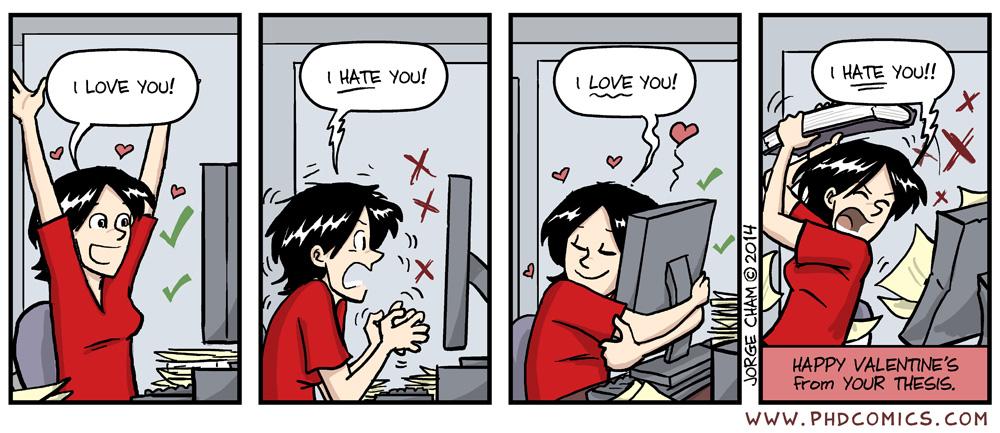
Thesis love/hate from http://www.phdcomics.com/comics.php?f=1780

Thesis love/hate from PhDComics.com

What do you think? Has anyone else struggled with the PhD love/hate relationship, and how do you deal?

In a previous post I have spoken about the value of ‘leaning in’ to my work when I am frustrated, and I still stand by this, but now also I will add that when my hatred gets too burning, a chance of scenery helps. Not digital scenery, but actually getting up and out of the house.

So if you feel the hatred taking over, try a walk? And remember – there is life outside your PhD.

Can a geologist ever operate without anchoring bias?

Recently I was reading a paper about how anchoring bias has a strong role in how different geologists interpret data, because they base their interpretation on data they associate with a location. For example – Dover is known to have chalk cliffs, therefore if you see a cliff in Dover, it must be chalk. Which lead me to think ‘can geologists ever operate without using anchoring bias?

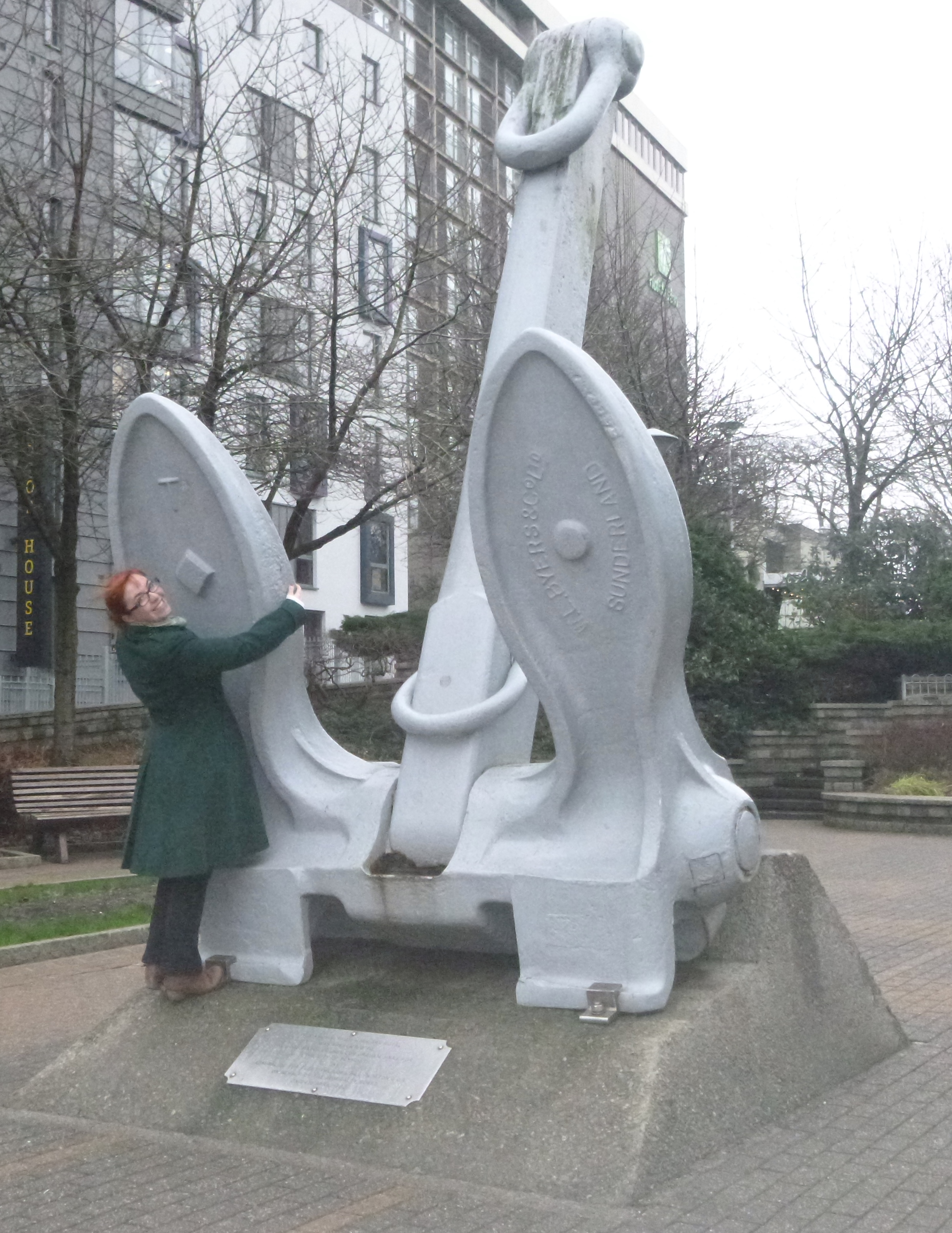
Just let go of the anchor!!

Just let go of the anchor!!

Before I launch into my reasoning for this, I should probably define what anchoring bias is. Anchoring bias or focalism, is a type of cognitive bias that usually happens in decision making, whereby the first piece of information (the anchor) becomes the basis for all subsequent decisions – even if this is illogical. Most often the phenomena has been tested using numbers, to quote an example given by Grau and Bohner – when participants are asked: Is the Eiffel Tower higher or lower than X meters? Followed by the question: How high is the Eiffel Tower? The answer to the second question will invariably be influenced by the value of X given in the first question. It has often been mentioned that anchoring bias is easier to demonstrate than explain (Strack and Mussweiler, 1997) which certainly seems the case, with explainations varying between selective accessibility (the anchor provides a point from which to test hypothesis and the data for it is more easily accessible – Mussweiler and Strack, 1999) to emotional state (those who are ‘sad’ and who generally demonstrate less bias – aka a more realistic view of the world – than those who are happy, seem to be more susceptible to anchoring bias – Bodenhausen, Gabriel and Lineberger, 2000) to expertise and experience (whereby experts base forecast and other data extrapolations on previous values, which may in some cases lead to very inaccurate results, Campbell and Sharpe, 2009), which bring me back to the geologists.

The reason I thought of geologists in particular being susceptible to anchoring bias is because, having worked as an Identification Officer at the Natural History Museum in London, I know that hands down the first question I ever asked someone who brought me something geological to be identified was ‘where did you find it?’ In fact I would even go so far as to say that if someone didn’t know where an object was from initally, it would be practically impossible to give a detailed ID. Yes I would be able to tell them roughly what their object was, but for detail I needed a location. This is true of all geology, where you are defines the types of rocks, mineral and fossils that you expect to find. Most intersetingly in this case however, it is just as likely to define what you WON’T find. Anchoring bias in geology precludes us from choosing certain rock types, fossils or environments of deposition in an area simply because that’s not what the maps say. And we love our maps.

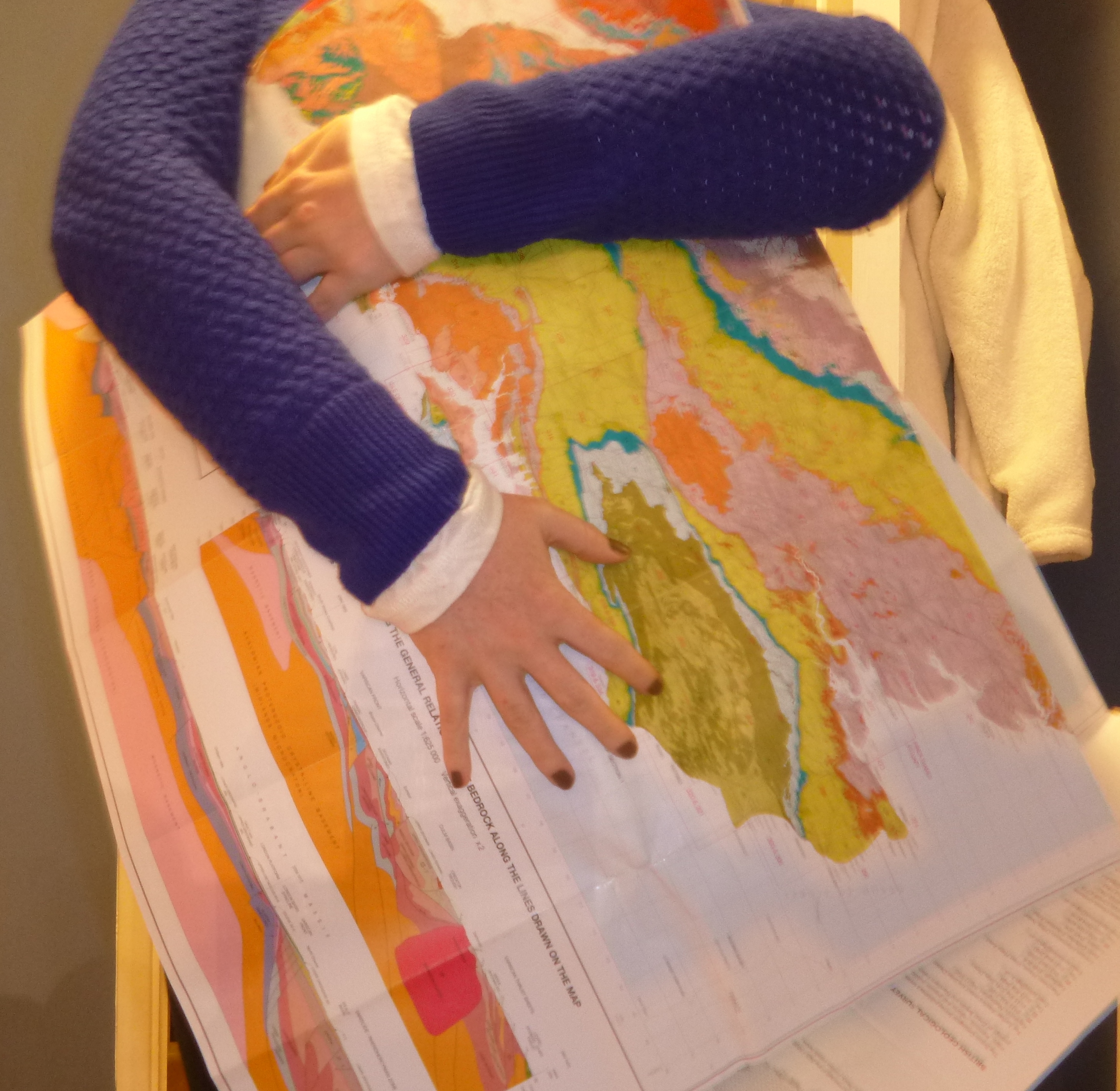
And we really do love our maps!

And we really do love our maps!

But is there a problem with this? I mean, as researchers show, it’s likely that all experts experience some form of anchoring bias (in fact we all do) – so what’s the big deal? Well I guess as someone looking at communicating geoscience and trying to understand how people perceive geology, the influence of bias is a big deal in building trust, and we don’t even take anchoring bias into account. If we unknowingly encourage anchoring bias in interpreting our data, then are we skewing our results and presenting them with more confidence than we should? I wonder how many geologists would change their interpretation of soemthing just because the loaction changed? And yes, context is important, but do we let it control our interpretation too much? It may be that for geoscientists, anchoring bias is just a fact of life, but I think we should all be aware of it and try to take our own natural biases into account when communicating our data.