Kaolinite – Day 10 of the Mineral Advent Calendar

This holiday season, why not get a mineral every day instead of chocolate? Today’s mineral is Kaolinite find out more about it below..

So if you have friends who live overseas you will surely have today and the next few days marked on your calendar, as it’s the LAST POSTAGE DAY FOR AUSTRALIA AND NEW ZEALAND  today. Unfortunately you have already missed Africa; the Middle East; Asia Central and South America; and the Caribbean (among a few others), but for most other locations you still have a few days left to get your mail delivered before the 24th December.
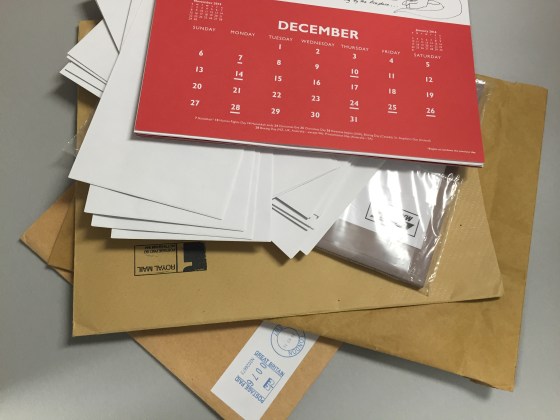
Is your overseas post ready to go - or have you already sent it?!

Is your overseas post ready to go – or have you already sent it?!

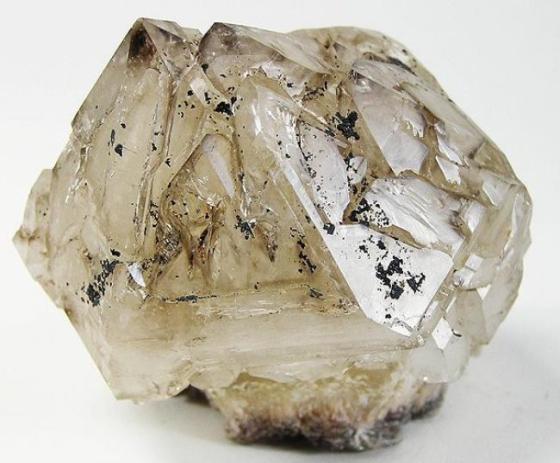
If you are posting a letter to a loved one or friend, did you think about the fact that your festive envelope couldn’t exist without the mineral Kaolinite? A clay mineral, Kaolinite is added to paper to improve the texture and as a filler, a practice which has been done for years!

A gorgeous Kaolinite crystal (image from Wikipedia)

A gorgeous Kaolinite crystal (image from Wikipedia) – EDIT: As DB correctly noted this isn’t just Kaolinite, but Kaolinite that has replaced a lovely feldspar crystal, but kept the shape (known as a psuedomorph). For an image of just Kaolinite crystals, see the MinDat page here.


 Kaolinite:

Chemical formula: Al2(Si2O5)(OH)4
Colour: White to cream and pale-yellow, also often stained various shades of brown
System: Triclinic
Hardness (Mohs): 2 – 2½
Can you find it in the UK? Yes
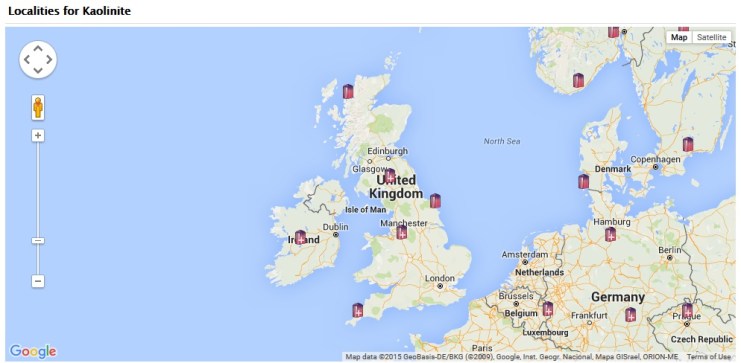
Kaolinite is found in many locations in the UK, in fact if you zoom in on this map from the MinDat Website you can see more and more little crystals pop up!

Kaolinite is found in many locations in the UK, in fact if you zoom in on this map from the MinDat Website you can see more and more little crystals pop up!

Kaolinite is often known by another common name of China Clay. If you think where in the UK you can find China Clay Quarries – that is undoubtedly where you can find Kaolinite. Finding a lovely crystal like the one in the images is much harder, but if you do you should treasure it!

For more information about Kaolinite please visit the MinDat website.
Muscovite – Day 9 of the Mineral Advent Calendar

This holiday season, why not get a mineral every day instead of chocolate? Today’s mineral is Muscovite Mica find out more about it below..

Continuing on the theme of a vintage holiday season, another of my favourite things about this time of year is how much everyone embraces the sparkles!

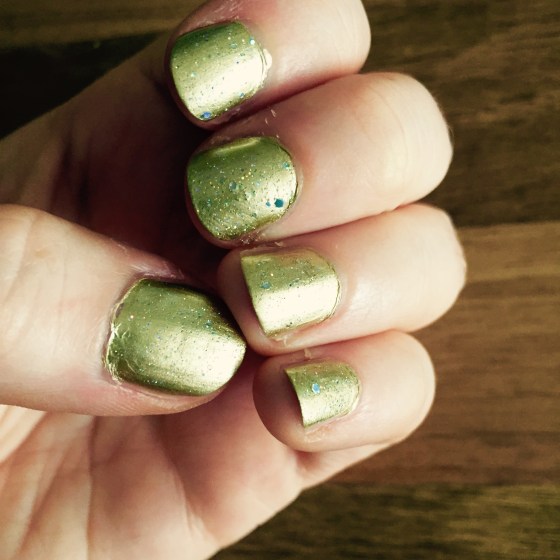
Even my nails like to be sparkly at this time of year!

Even my nails like to be sparkly at this time of year!

In fact our love of sparkles isn’t a modern thing, even the Victorians like to embrace the glitter! But not having access to the plastics that we take for granted to make our sparkles, they had to look elsewhere, and found the amazing mineral Muscovite Mica. During the Victorian period, wealthy poeple celebrating the season would buy chunks of this mineral and then break it up to use the little reflective flakes as glitter, and if you have even been into a lab after a first year geology student has been doing their mineral identification – you will know that it still happens!! So today’s mineral is Muscovite Mica – vintage glitter.

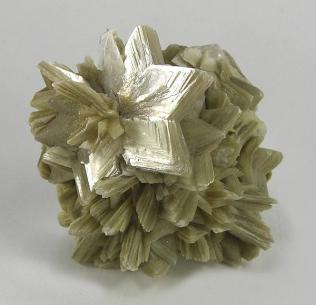
Muscovite MIca from the MInDat website, image taken by Rob Lavinsky and irocks.com

Muscovite Mica from the MinDat website, image taken by Rob Lavinsky and irocks.com

 Muscovite:

Chemical formula: KAl2(AlSi3O10)(OH)2
Colour: White to colorless, silvery-white, and tinged various colors by impurities.
System: Monoclinic
Hardness (Mohs):
Can you find it in the UK? Yes

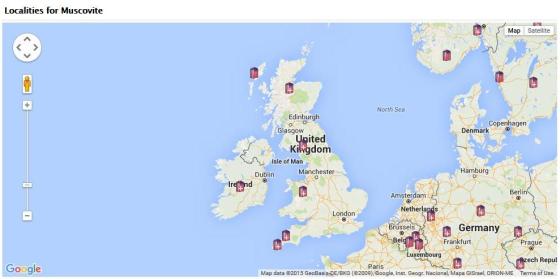
Muscovite Mica can be found in many places across the UK, not least as part of some sparkly or shiny rocks that you might spot. This is the locations of Muscovite in the UK from the MinDat website.

Muscovite Mica can be found in many places across the UK, not least as part of some sparkly or shiny rocks that you might spot. This is the locations of Muscovite in the UK from the MinDat website.

Mica is a common mineral that makes up many types of rock – you may be familiar with the dark brown to black version of Mica – Biotite – that you can see sparkling away in lumps of granite. Muscovite mica is also most easily found whe you look at a rock, rather than as big lumps of crystal, but you can still find it across the UK.

For more information about Muscovite please visit the MinDat website.
Quartz – Day 8 of the Mineral Advent Calendar

This holiday season, why not get a mineral every day instead of chocolate? Today’s mineral is Quartz find out more about it below..

I dearly love this time of year, the sparkly lights, the cheerful music, the parties, the snuggly blankets, the cheesy movies – its FANTASTIC! And one of my favourite things is decorating the tree and our tree is a beauty!

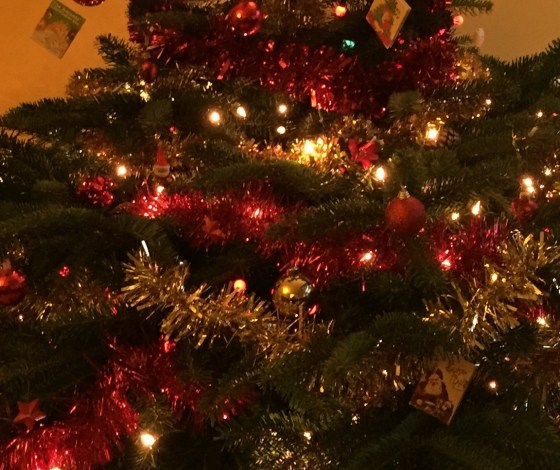
Sparkly lights, lovely pine smell - the tree is the best!

Sparkly lights, lovely pine smell – the tree is the best!

Baubles are the glowing circular icing on the cake of the tree, and the best quality ones are made of glass. These baubles are often based on the original vintage baubles that were used throughout the last century. And glass is made from silica, the crystal form of which is Quartz!

Lovely vintage glass baubles from nordichouse.co.uk

Lovely vintage glass baubles from nordichouse.co.uk


A lovley quartz crystal photo from the MinDat website, taken by Rock Currier.

A lovely quartz crystal photo from the MinDat website, taken by Rock Currier.

 Quartz:

Chemical formula: SiO2
Colour: Colorless, Purple, Rose, Red, Black, Yellow, Brown, Green, Blue, Orange, and so on!
System: Trigonal
Hardness (Mohs): 7
Can you find it in the UK? Yes!

You can find quartz crystals all over the place, you can even find it easily yourself, especially on the beach!

Look for quartz crystals on the beach - but be aware that they will probably look rougher and white in colour than the lovely crystals you see in the shop!

Look for quartz crystals on the beach – but be aware that they will probably look rougher and white in colour than the lovely crystals you see in the shop!

For more information about Quartz please visit the MinDat website.


Ice – Day 7 of the Mineral Advent Calendar

This holiday season, why not get a mineral every day instead of chocolate? Today’s mineral is Ice find out more about it below..

So at this point you might be looking at the screen and going – ‘ICE?! That’s not a mineral!’ But in fact it is – it’s just a mineral with a really low melting point, so it’s one of the few minerals that you can not only see commonly in its natural form, you can also synthesise it too! Yes, you can create your own mineral synthesising environment by filling a tray with water and putting it in your freezer. And although this is still ‘ice as a mineral’, because you force the mineral to grow in an unnatural environment, it rarely forms the kind of structures you would associate with natural ice crystals. And as it is #MicroscopyMonday, what better way to look at ice than through a microscope.

There are two types of ice that I relate to the season; the first is natural, falls from the sky and I very rarely get to see in the UK. Yes I am talking about snow, and if you have never seen a snowflake through a microscope you are in for a treat, because they are exceptionally beautiful.

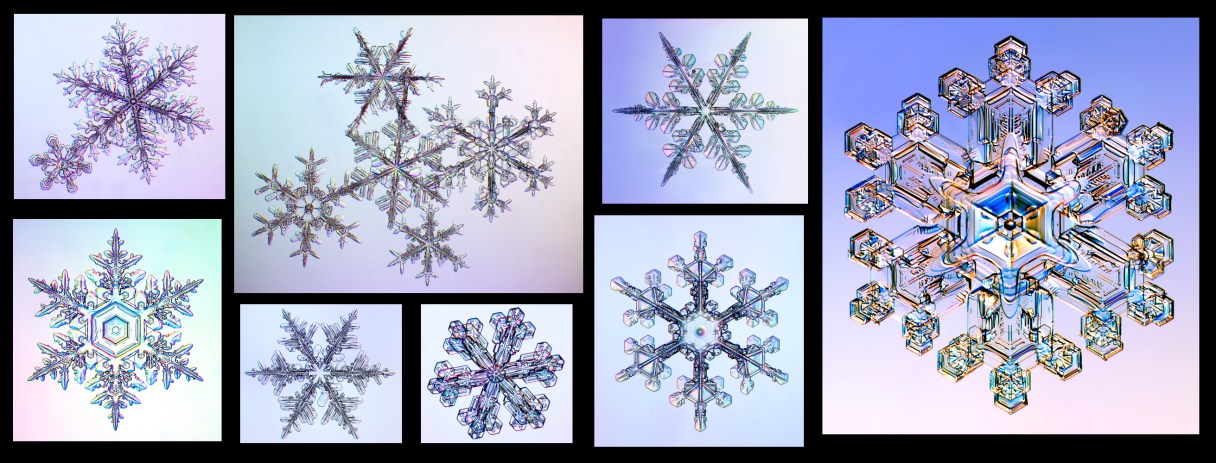
Absolutey gorgeous photos of the stellar dendrites form of ice, please visit Kenneth Libbrecht's webpage form more spectacular imagery.

Absolutey gorgeous photos of the stellar dendrites form of ice, please visit Kenneth Libbrecht’s webpage form more spectacular imagery.

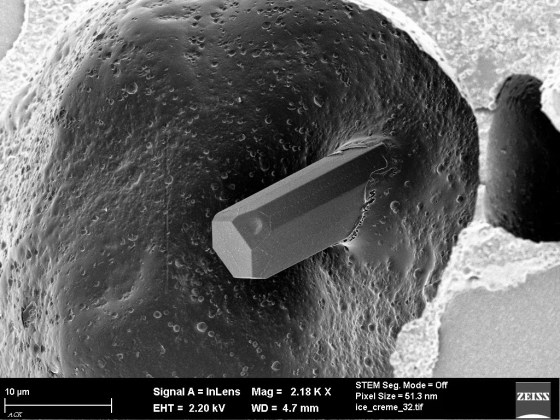
The second type of ice we see commonly at this time of year comes out of tub in your freezer (my favourite is chocolate – obviously!) and this photo is one taken by Steve Furzeland for some research being done at the Electron Microscopy Centre in Plymouth – yes, it’s ICE CREAM!

A great image of an ice crsytal in Ice Cream, taken by the Plymouth University Electron Microscopy Centre.

A great image of an ice crsytal in Ice Cream, taken by the Plymouth University Electron Microscopy Centre.

 Ice:

Chemical formula: H2O
Colour: Colourless to white
System: Hexagonal
Hardness (Mohs):
Can you find it in the UK? Er, yes? Seriously, you even have to ask!!

Ice. It gets everywhere! (image from prettymyparty.com)

Ice. It gets everywhere! (image from decoration idea supplied on prettymyparty.com)

There are many forms of ice beyond the branching six-sided (because they are hexagonal – get it?) shapes so as I say go back and look at Kenneth Libbrecht’s website for more forms.

For more information about Ice please visit the MinDat website.
Check out more Plymouth University Electron Microscopy images here.

Rozenite – Day 6 of the Mineral Advent Calendar

This holiday season, why not get a mineral every day instead of chocolate? Today’s mineral is Rozenite find out more about it below..

So it’s the first Sunday of December and if you are anything like me then you probably spent most of the day getting your tree and decorating it!!

Decorating the tree is one of my favourite parts of the season - I wish it could stay up until March!

Decorating the tree is one of my favourite parts of the season – I wish it could stay up until March!

But now that the evening is drawing in, it’s time to snuggle up with a warm cup of hot chocolate (try putting some gingerbread flavour in – it’s AMAZING!) and start writing your greetings cards. This is something that I struggle with, as I always forget at least one person or can’t find the right address, and goodness me postage stamps cost a fortune now! There is also the argument that in this day of wasteful culture we shouldn’t send paper greetings cards as it is bad for the environment, but I love getting real cards, and so try to send them as often as I can. For you my dear readers, in lieu of a card I have made a donation to the MinDat website – a brilliant website that lists all the minerals we know about and provides beautiful images as well as extremely valuable information, so if you are looking for a good cause to support this holiday season, why not make it a mineral-ly one (full disclosure: I have no connection with the MinDat website apart from knowing a few people who add data to it, I am just a huge fan and [clearly] use it a lot so I like to give back)!


Seasons greetings to all my lovely readers! Here is a small donation to keep the wonderful MinDat website in business!

Seasons greetings to all my lovely readers! Here is a small donation to keep the wonderful MinDat website in business!


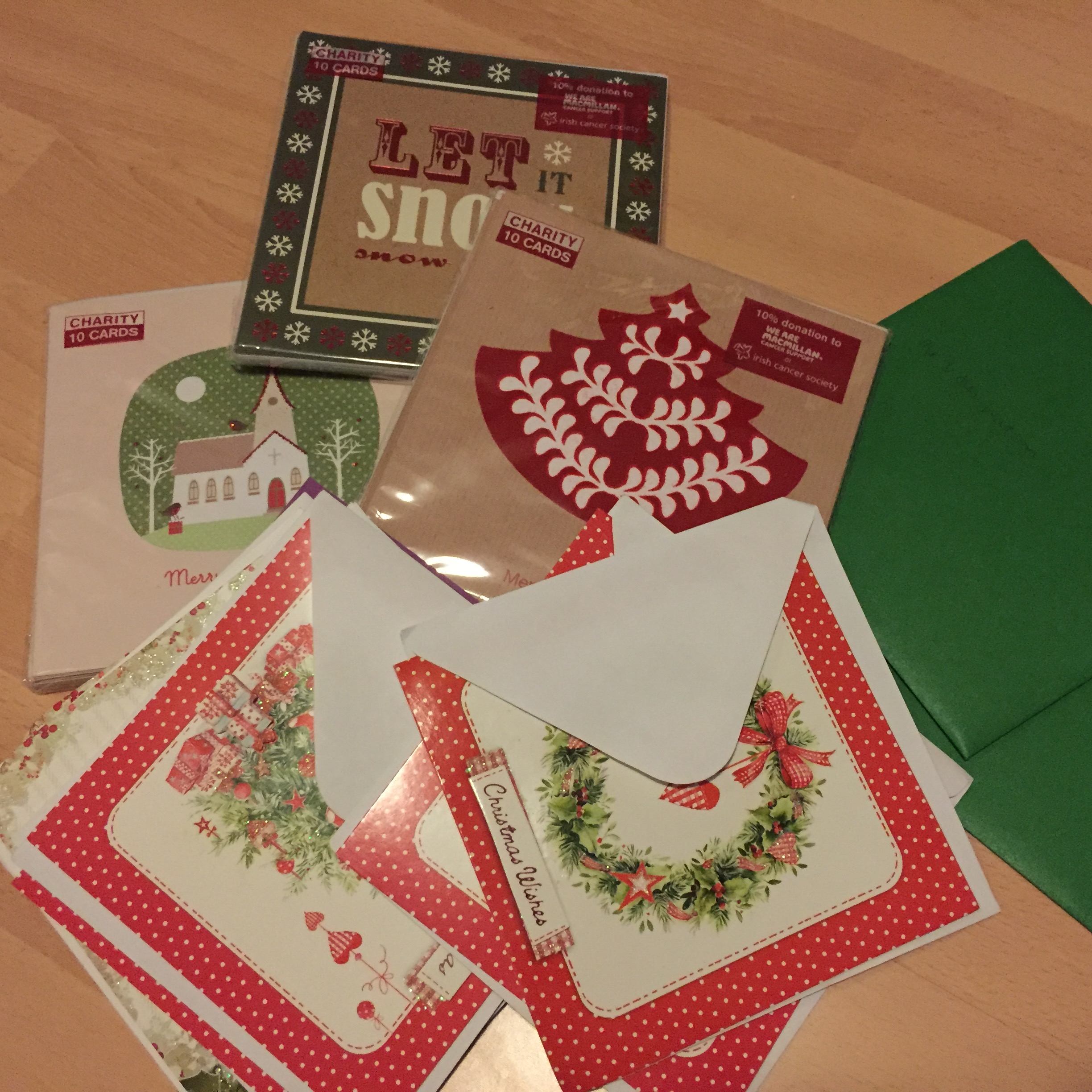
So many cards to choose from!

So many cards to choose from!

If you are like me though and want to send a real card, get out your pens and get ready to get writing – but in order for your pen to work you need ink, and some of the most famous inks throughout the ages have been made by oxidsing ferrous salts with different pigments. One of these salts can be found in the mineral Rozenite and it’s gorgeous – especially under the microscope!


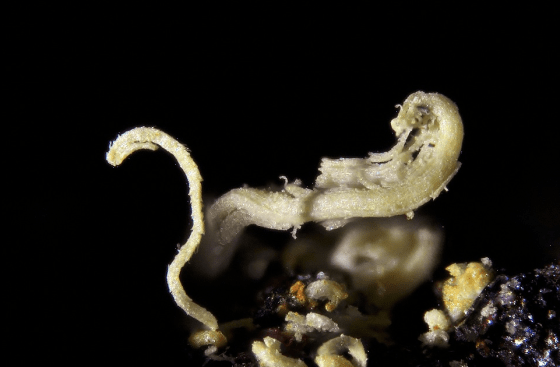
The mineral Rozenite from the MinDat website, image by Mischa Crumbach.

The mineral Rozenite from the MinDat website, image by Mischa Crumbach.

Rozenite:

Chemical formula: FeSO4 · 4H2O
Colour: Colourless to white
System: Monoclinic
Hardness (Mohs): 2 – 3
Can you find it in the UK? Yes

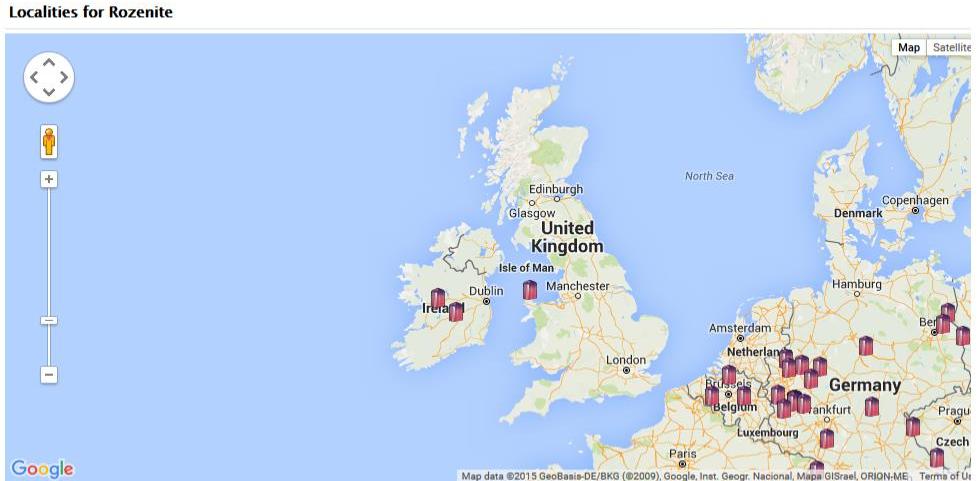
The location of Rozenite in the UK from the MinDat website.

The location of Rozenite in the UK from the MinDat website.

Rozenite is not common in any quantity in the UK, but it has been found in the past on Anglesea, so perhaps if you visit you may still find some – however it is difficult to identify, given its generally white powdery nature as it forms as the alteration product of other more common iron sulphides (like Pyrite).

For more information about Rozenite please visit the MinDat website.