EGU 2014 Day 3 – Science is for everyone!, the value of an open mind and when is a debate not a debate

Day three, one of the quieter days on my schedule meant I could a) relax a little and b) go looking for sessions I never would have thought of attending.
20140501-002153.jpg

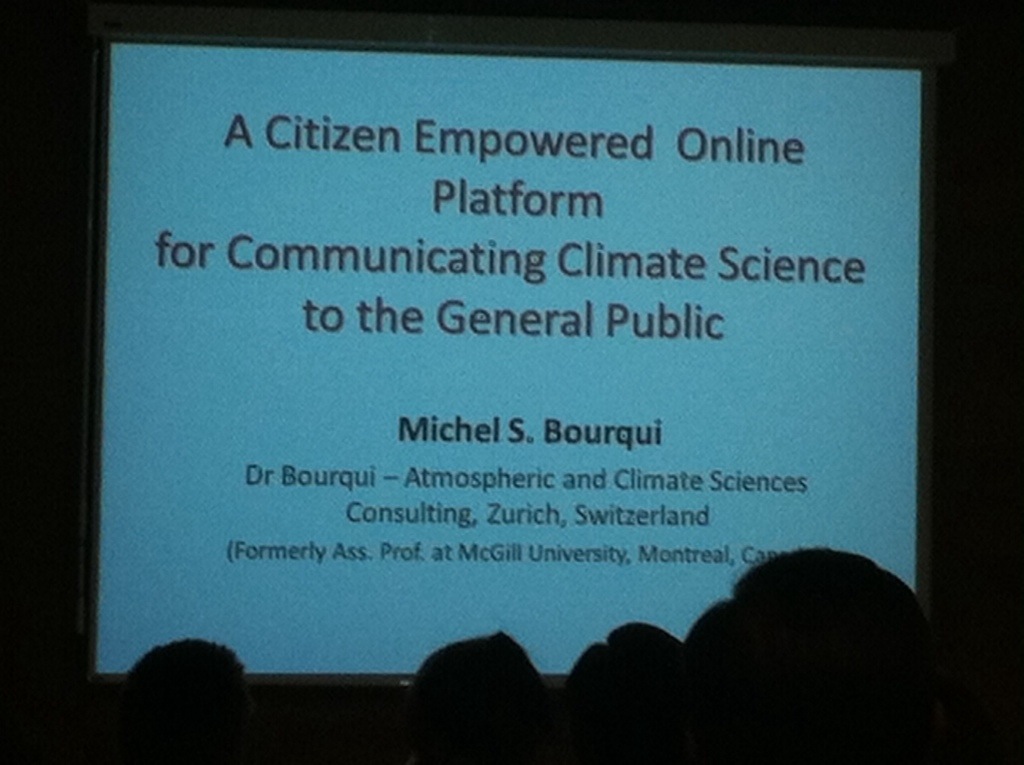
I started the day in Citizen Empowered Science and Crowdsourcing in the Geosciences (EESI1.8/EOS6) the second half of the session I attended yesterday. There were a couple of interesting presentations, including a plan for a citizen controlled platform for communicating climate science, but I often feel like the geoscience community is teetering on the edge of just accepting Citizen Science as a valid method of data collection, but right now they are still a bit unsure. As such the presentations today came across as enthusiastic but uncertain. I really liked Simone Frigerios presentation of ‘MAppERS: a peer produced community for emergency support’, partly because he said that we need to stop seeing communities at risk as victims, but instead as resource for disaster prevention and mitigation. Another project that I liked was Nuria Castell’s initiative ‘Building and Evaluating Sensor-based Citizens’ Observatories for Improving Quality of Life in Cities’. The project has set up citizen observatories (called CITI-SENSE) all across three target cities, Oslo, Ljubljana and Vienna. The great thing about these observatories (just sensors really) is that most of them do more than just one thing. They record air pollution (levels of O2, CO etc), wind data, UV and noise. There is also a link to an app that allows people to record how they feel in a place so the project results in a much more representative picture of the quality of life in these cities.
20140501-002253.jpg

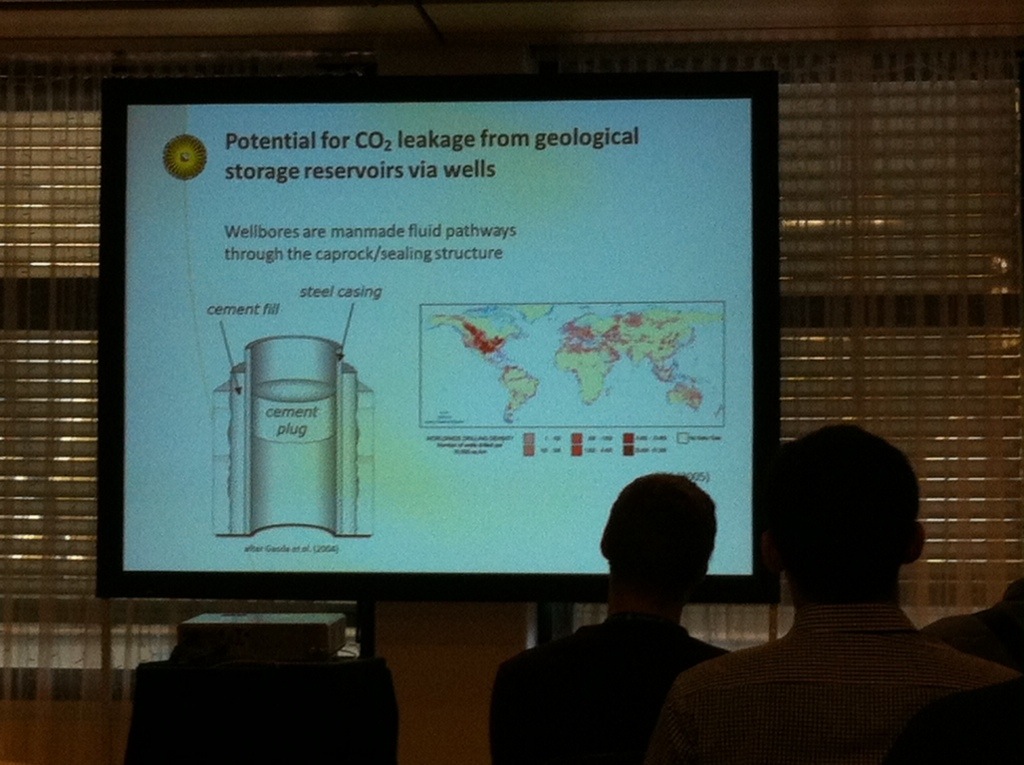
I also attended the session on Long-term Storage of CO2 and the Petrophysics of Unconventional Hydrocarbons: Results from Laboratory Studies (ERE2.2), which covered topics like carbonate dissolution and how to prevent CO2 leakage from a well and listened to a talk on ‘An Experimental Study of Basaltic Glass-H2O-CO2 Interaction at 22 and 55 degrees C’ and saw an extraordinary outburst from one of the audience, who at the end of the session said that the timescales were not big enough to make the results relevant and called it ‘trivial research’. Now this seems to have arisen from the fact that this researcher was a computational modeller and the young scientist presenting was a physical or experimental modeller, so instead of running a computer simulation that approximated 1000’s of years, she had actually done the experiment in a lab over a period of months instead. It highlighted to me how some scientists get so buried in their own method they resist any other method. Even though the moderator came to the defence of the young scientist by highlighting that computer models could not be run without the data from shorter term experimental models, the questioner appeared to remain firm in her dismissal of the work. Which just made me feel a little sorry for her, that she was so closed minded that she couldn’t see the value in other people’s work.
20140501-002336.jpg

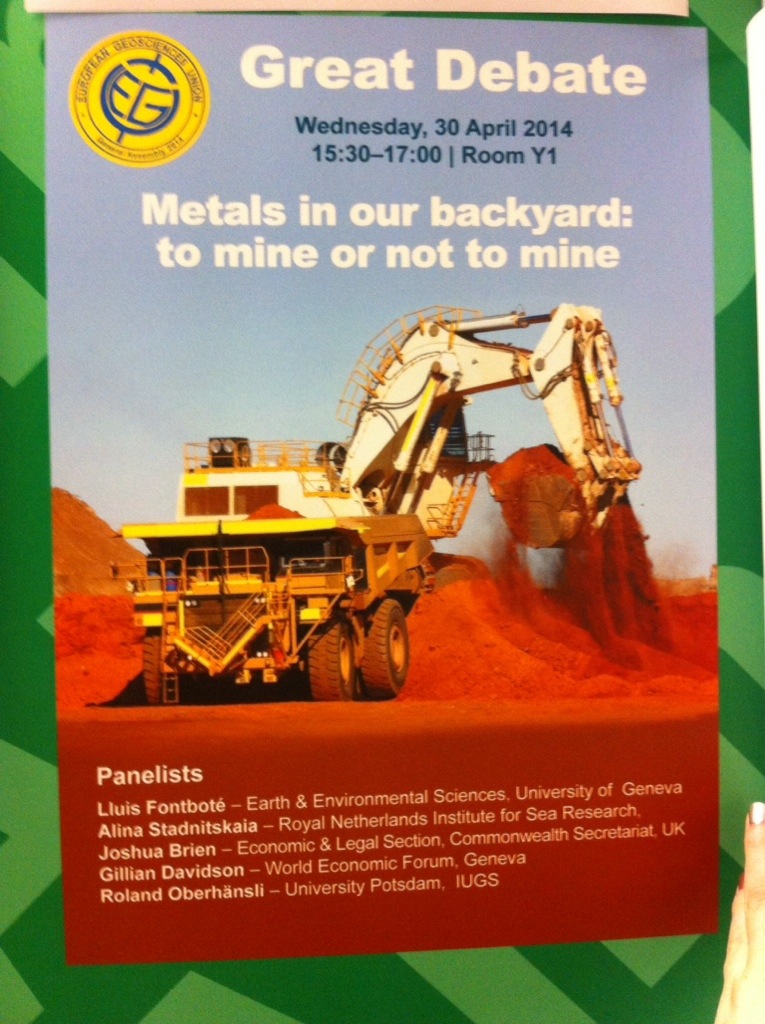
Towards the end of the day I attended an event that I had been looking forward to all week – the Great Debate on ‘Metals in our Backyard: to Mine or not to Mine‘. This session was proposed as a debate on the moral and social implications of mining in Europe. The panellists were:

Lluis Fontbote from the University of Geneva,
Roland Oberhansli from the Univerisity of Potsdam,
Alina Stadniskaia from the Royal Netherlands Institute for Sea Reasearch (Royal NIOZ),
Joshua Brien from the Economic and Legal Section of the Commonwealth Secreatriat,
Gillian Davidson from the World Economic Forum.

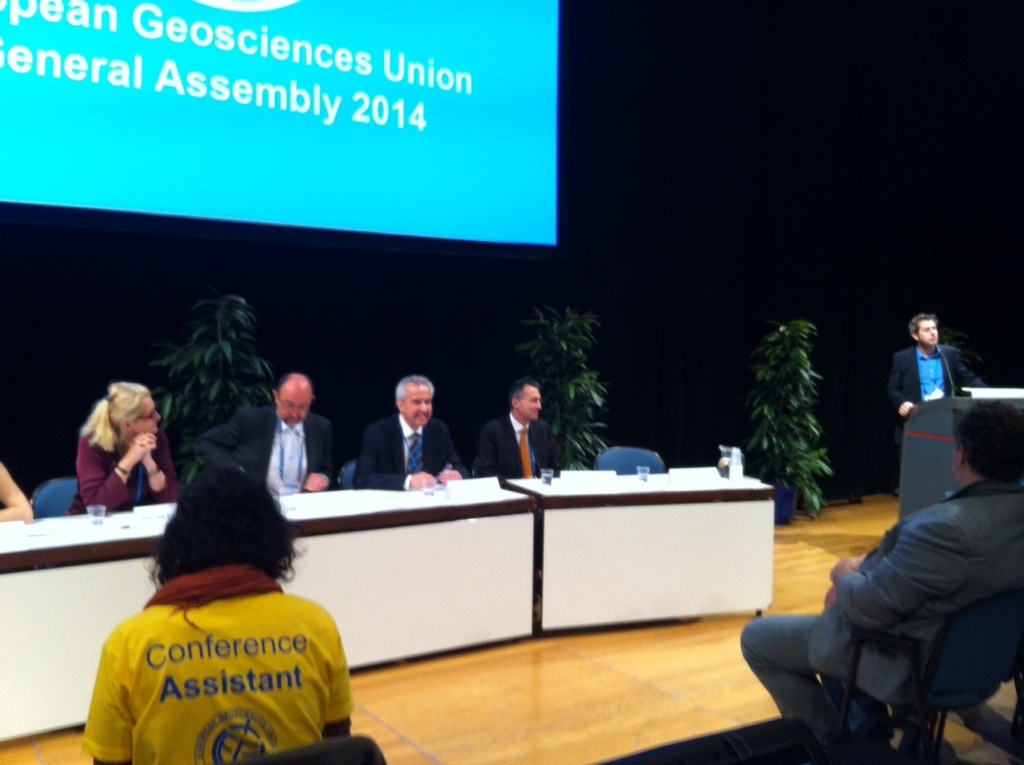
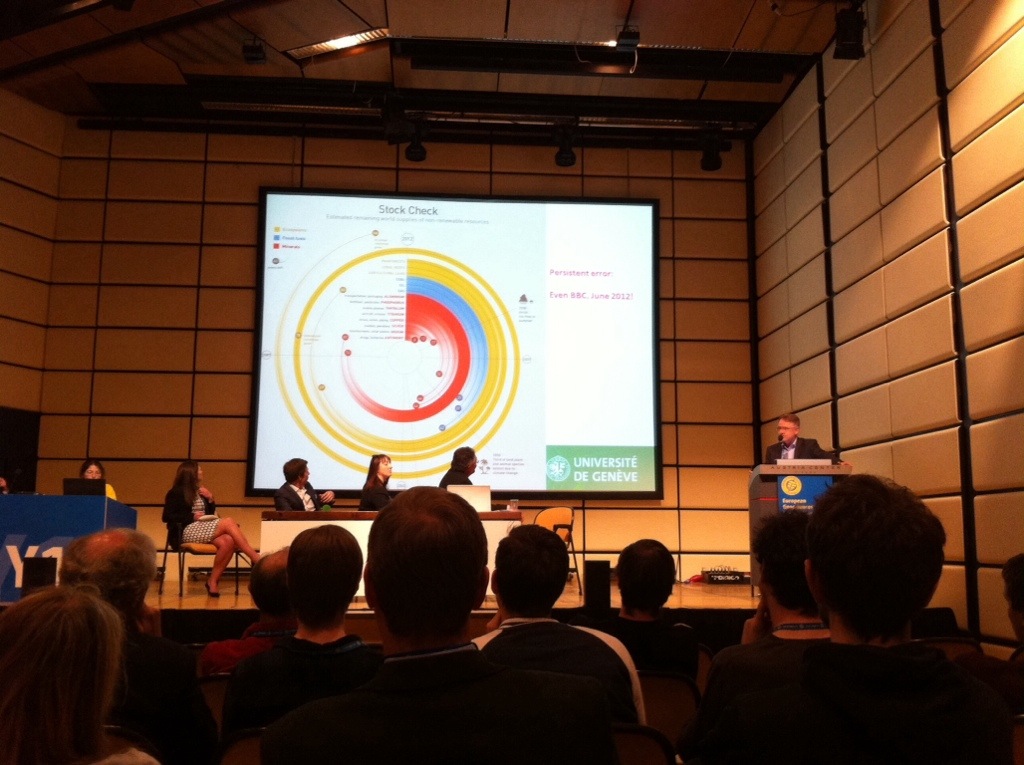
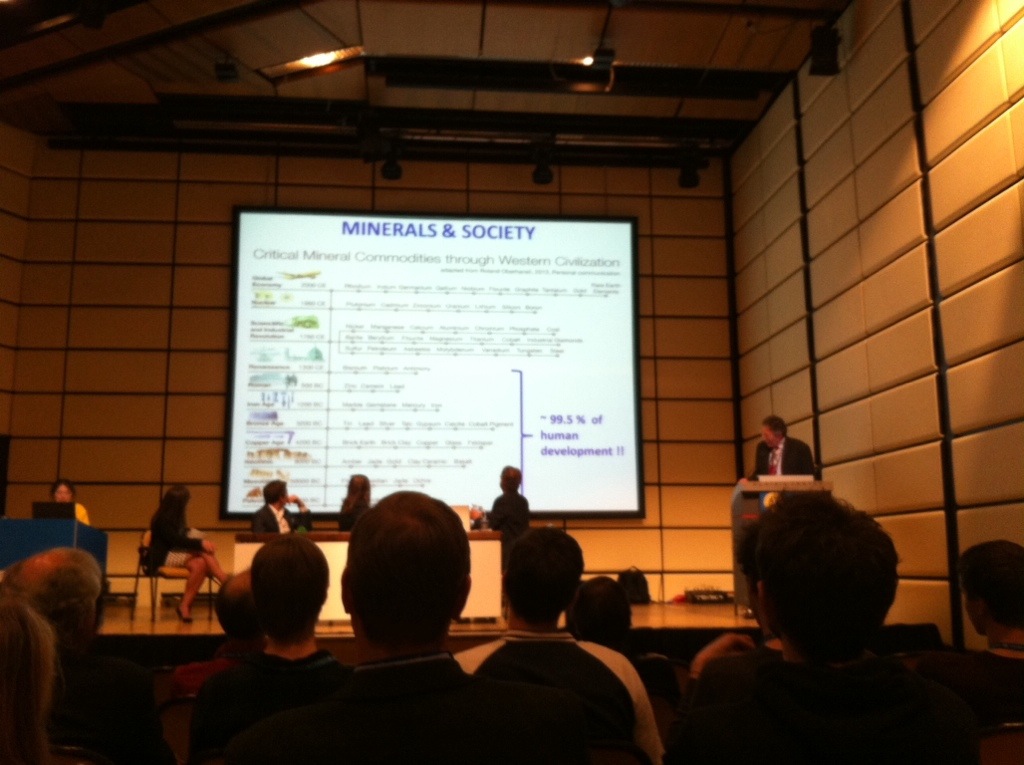
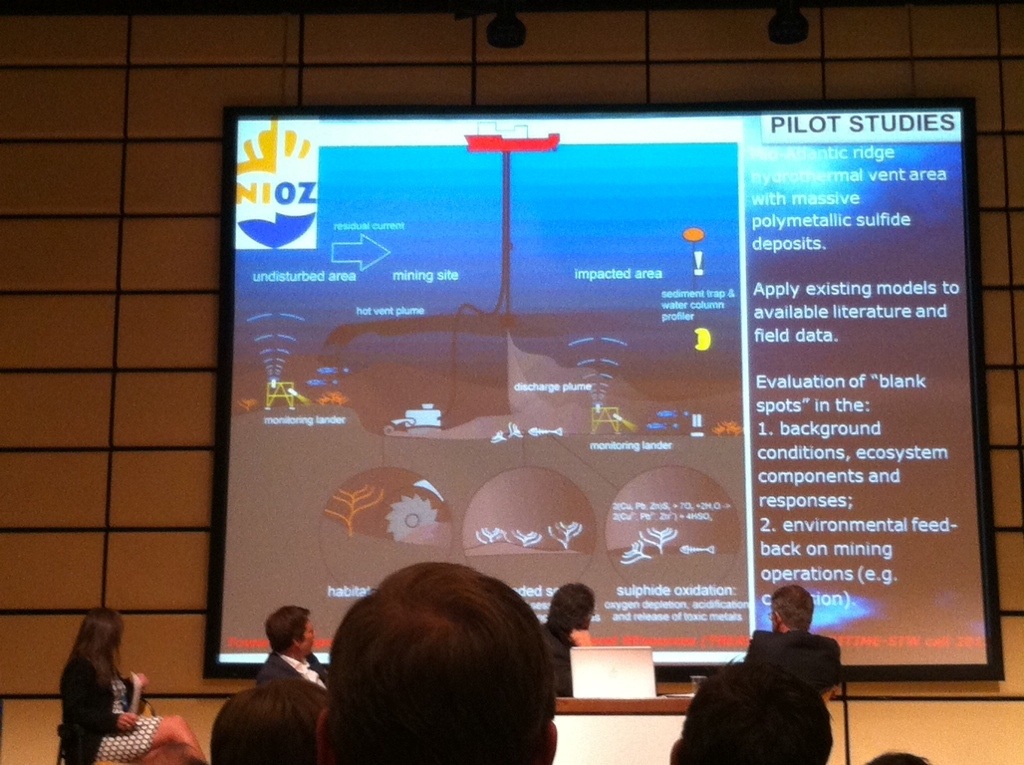
Now although the panellists were great and the subject was right up my street, because no one was really against mining in Europe it was pretty much impossible to get any kind of debate going. What I didn’t understand is why no-one from the environmental community was willing to engage in the debate? If they really want to affect how mining is done, surely the way to do it is to go at it from the inside (how can we change our minds when we don’t even know what they think)? So much so that, apart from some interesting slides that I have included below, it was really a debate that wasn’t a debate.
20140501-002650.jpg
We are not going to run out of metals – says Lluis Fontbote
20140501-002700.jpg
Stone and mineral resources are fundamental to our society – says Roland Oberhansli
20140501-002708.jpg
The future is in subocean mining – says Alina Stadniskaia
20140501-002713.jpg
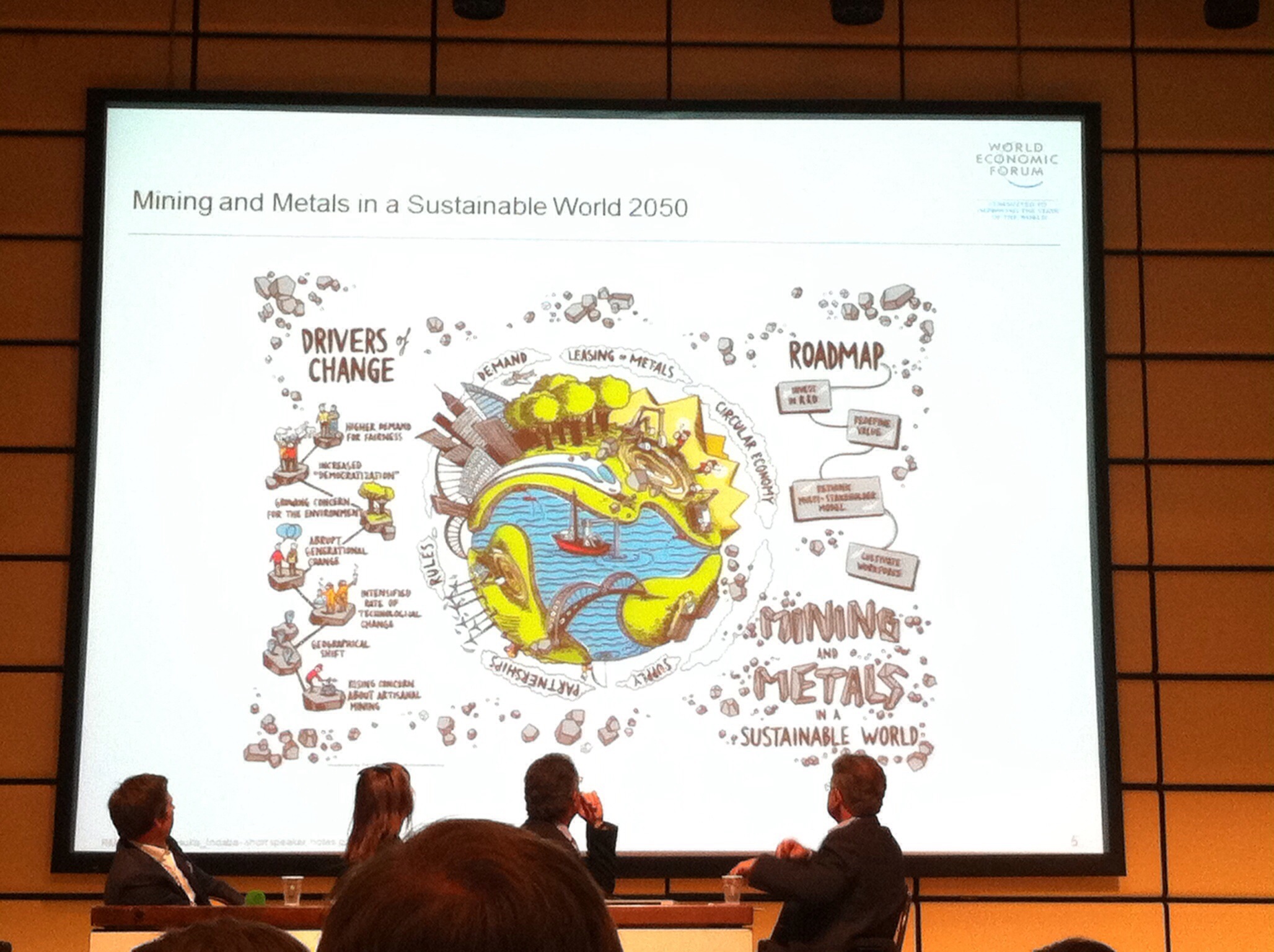
We need a roadmap – says Gillian Davidson

So, all in all a quiet day.

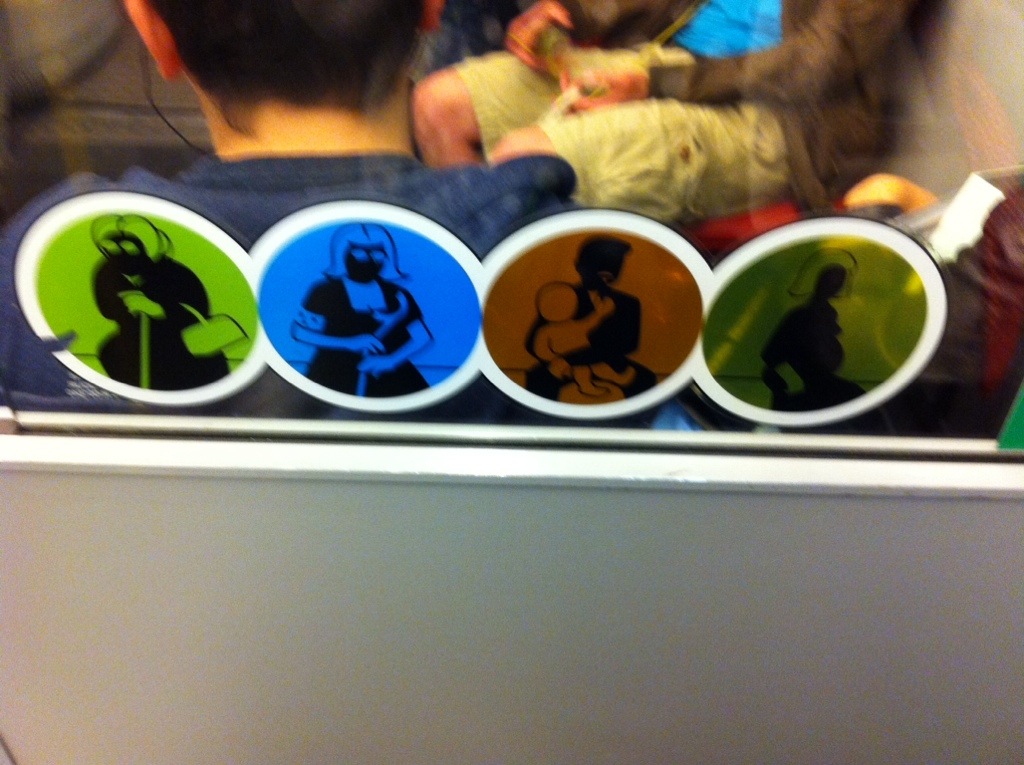
For a closing image – check out the world’s creepiest tube train signs!
20140501-003257.jpg

EGU 2014 Day 2 – when moderators go wild, policy and earthquakes

Today was a loooooooooong day! You know that feeling when you are sat in a presentation and the speaker is on slide 14 of 27 and ran out of time 5 minutes ago? Well image how much worse it is when the person rambling, prevaricating and generally being annoying is the one who is supposed to be keeping order?! This was my experience today – of a moderator gone wild!! It was really frustrating!!!!

Anyway, I arrived in the morning for my first session, which was supposed to start at 8.30am, but the first talk was cancelled so it actually got going at 8.45 (oh the luxury!).

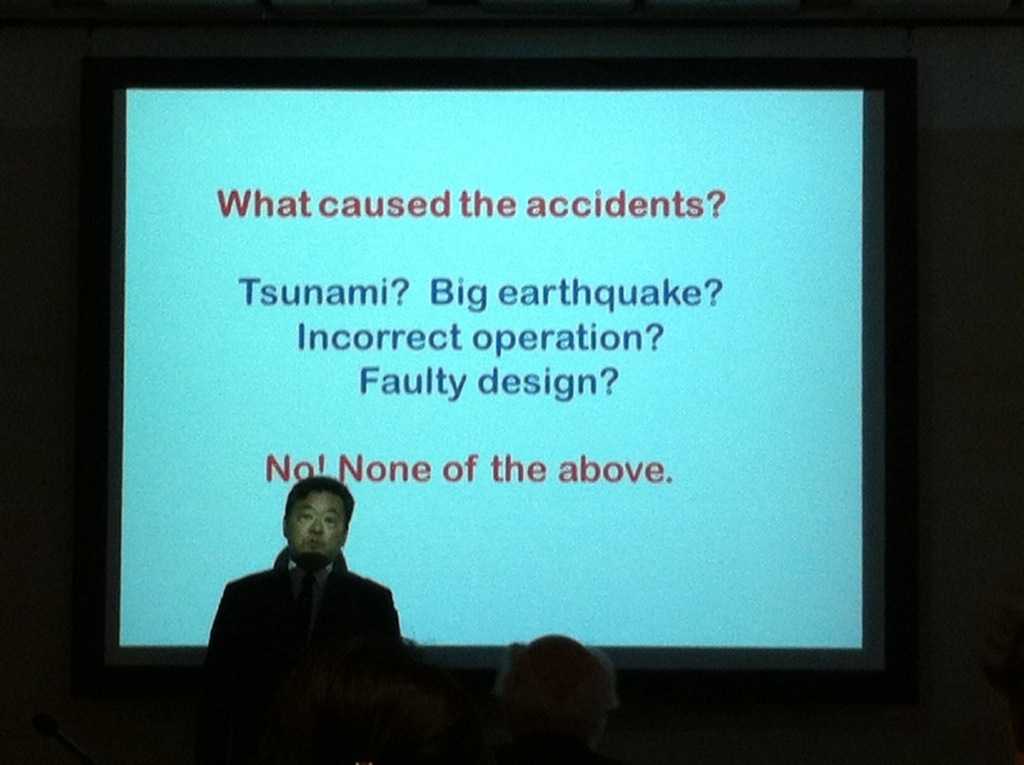
This was the session on Geoethics and Geoeducation (EOS1) and included presentations on Fukushima, nano technology and Antarctic lake exploration. The presenters weren’t pulling their punches about the failings of those in and associated with the geoscience community in terms of ethical behaviour, but by far the most outspoken present was Tokio Oshka from Japan. He implied that the accident at Fukushima, was actually caused by a lack of corporate responsibility on the part of the company, which didn’t have any capacity for negative feedback, in order to improve safety at the site and that the government was complicit because it held shares in the company. The presentation was conducted with great passion and it certainly made me think more about the ethical implications of a government apparently being so (financially) closely linked to a company.

20140429-225221.jpg

But Tokio Oshka was not the only vociferous speaker – the moderator for the session at one point launched into an accusation that the Ethics, education and communication sides of EGU were ‘discriminated against’ mostly because the partner poster session to this mornings ovals was at the same time, so many people who would have normally gone to both, could not. And I can kind of see his point – this year the Education and Outreach symposia has a much higher profile than the subject in previous years, but it is still very much at the edges of the conference. Perhaps it is because ethics, education and communication does not have a ‘division’ within EGU to protect its’s interests in the same way as the other groups do, though the team of staff who organised the Symposium are just as talented and dedicated as those in the divisions.

20140429-225816.jpg

The second session I attended was EG1 The Role of Geoscientists in Public Policy – a panel discussion about the state of geoscience policy in Europe and the world. The Panel consisted of:

Lydia Harriss, Scientific Advisor in the Parliamentary Office of Science and Technology (POST)
Pascale Ehrenfreund, Research Professor of Space Policy and International Affairs, The George Washington University, Washinton D.C. and President of the Austrian Science Fund
Gunter Bloschl, President of the European Geosciences Union
Reinhard Huttl, Scientific Director of the GFZ German Research Centre for Geosciences, Potsdam
Luca Demicheli, Secretary General of EuroGeoSurveys – the Geological Surveys of Europe
Iain Stewart, Professor of Geoscience Communication at Plymouth and my supervisor (very important that!)

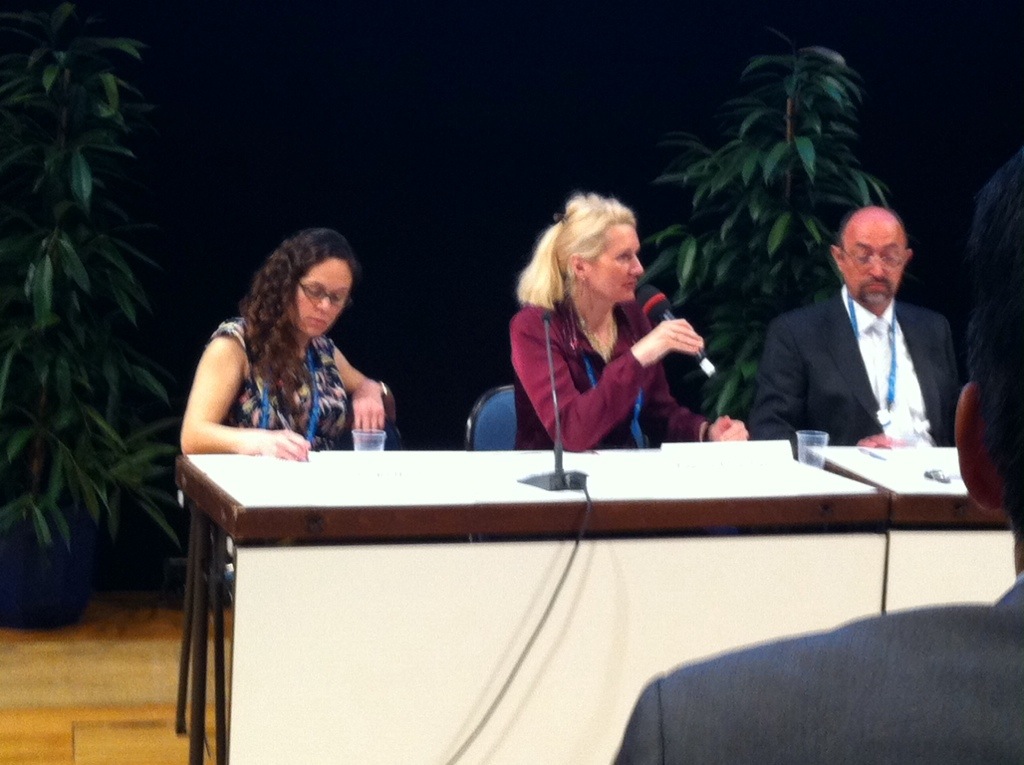
The panel discussed a wide range of ideas relating to policy, including; science-politics dialogue, the differences in different countries, interdisciplinarity, permanence of geoscience in the public realm (not just after a disaster), open access, training future generations and why scientists are reluctant to make statememts. Two particularly interesting questions to me were, are we overlooking local and regional government in favour of national and international, and how does scientific thinking affect our ability to communicate? To be honest I felt that both questions were rather dismissed – the first by saying that national and international governance informs local and regional decisions, but I think that is simplifying local political concerns. In my recent work I have been interviewing village residents in the south west and I have found that local politics is far more important to most people I have spoken to than national. The second question was approached as being a good idea, and the value of interdisciplinarity was raised (again), but the panellist seemed to quickly return to the bastion of old science.

Still it was an interesting session.

20140429-232854.jpg

My afternoon was a bit spotty – I sat in on a couple of presentations about Thermal and Mechanical Processes and Energy Storage in Porous and Fractured Aquifers (HS 8.2.5), but ran away when the equations started to fill the whole screen, though I did learn that the amount of shearing in marbles does appear to improve their thermal conductivity. I also attended Biochar and Organic Waste in Soils (SSS6.5) on the recommendation of @EuroGeosciences and listened to a talk on the Economic feasibility of biochar to soils in temperate climate regions by Gerhard Soja. This was interesting because I didn’t really know anything about biochar before – so just as was suggested at the beginning of the conference, I tried something new!

20140429-235228.jpg

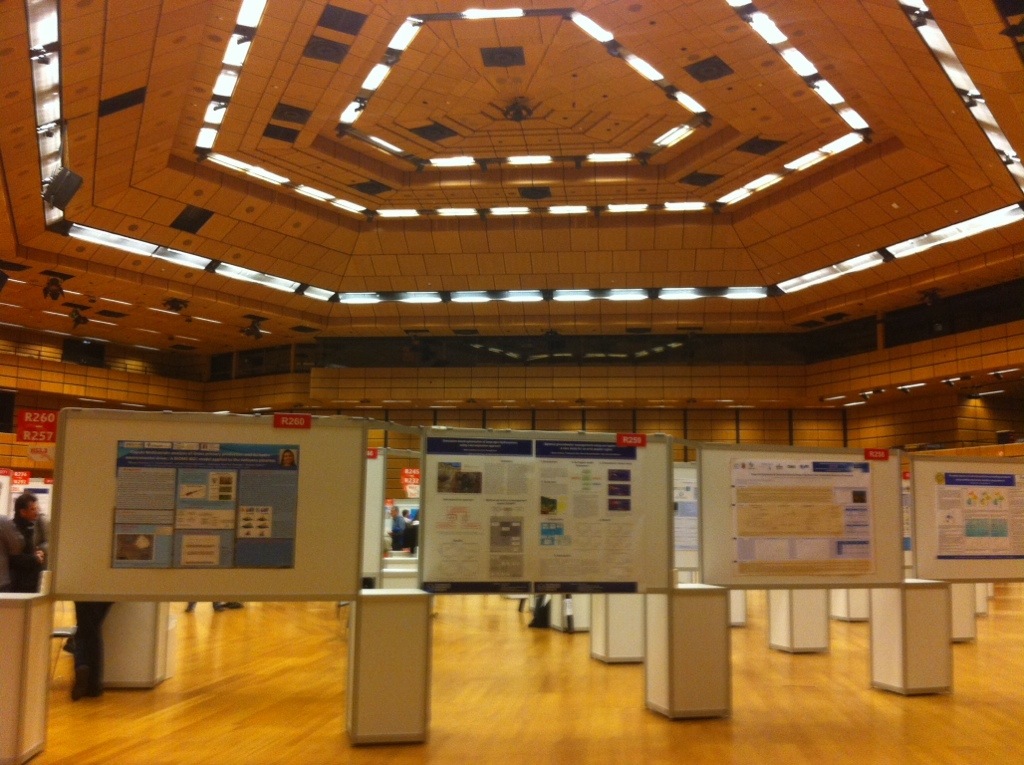
I also attended the Citizen Empowered Science and Crowdsourcing in Geosciences session (ESSI1/EOS6) and spoke to Luca D’Auria about his poster on Real-time mapping of earthquake perception areas of the Italian region from Twitter streams analysis. Basically, the research used people’s comments on twitter that were geolocated to identify areas of increased perception of the earthquakes. I was interested to learn how they dealt with retweets and quoted or modified tweets. Dr D’Auria said that in order to take this into consideration they didn’t include any retweets in the dataset and they also collected background data in order to normalise the responses and counter any false positives that may be collected. What this normalised data showed was that although there was strong trend towards the cities without calculation, after the data was normalised the trend in the cities disappeared and the only identified highlight was in the east of Italy, around the area where the epicentre had been recorded. This research is interesting as it could be used to asses perception of strength and a better way to interpret earthquake risk to people in seismically active areas.

20140429-235219.jpg

I ended the day at the ‘Scientists Must Film‘ workshop, a very entertaining and informative workshop presented by a pair of filmmakers who could have had their own double act!

Great fun and a great end to the day!

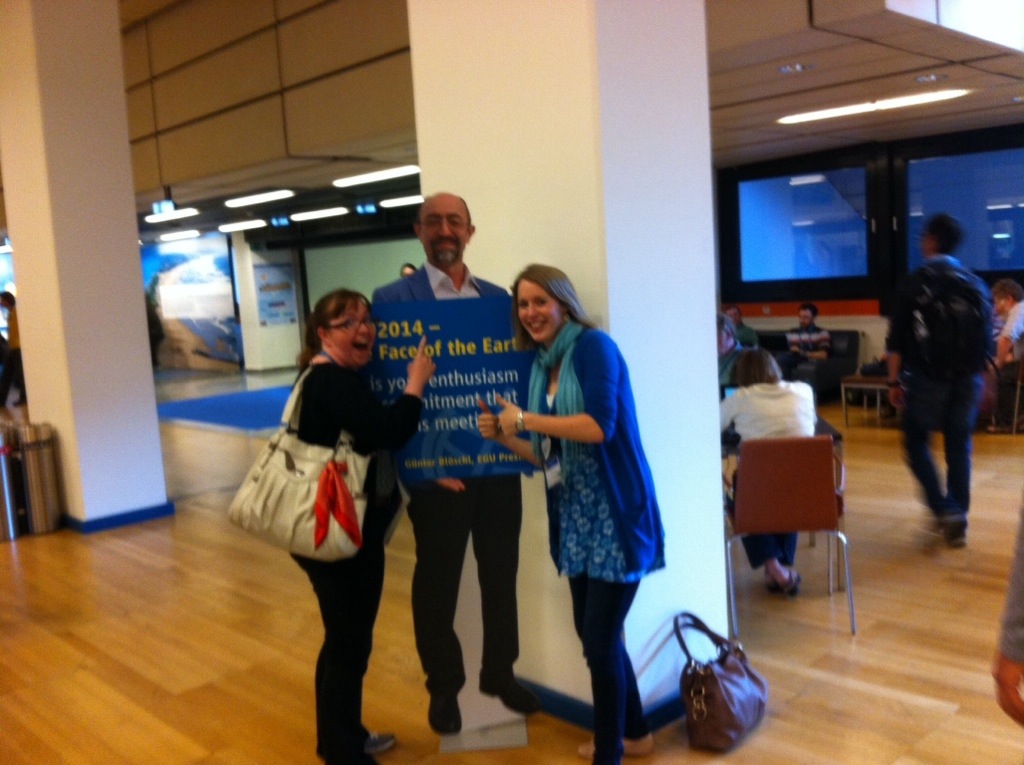
I also had a conference selfie moment with #EGUlegend Gunter Bloschl and Rachel Hay (@geogrhay)!!

20140429-235303.jpg

EGU 2014 Day 1 – Volcanoes, good neighbours and career opportunities.

Phew what a day!

Well day one was a cracker here at EGU. I started the day badly – I forgot that I hadn’t changed my watch and with no other clocks here at the Brigittenau Youth Hostel, I didn’t realise I was actually running an hour late (whoops) meaning I missed the beginning of my first session. Note to self – always double check all your clocks!

20140429-011127.jpg

When I arrived at the conference centre I went straight into my first session – NH 2.1Quantifying Volcanic Hazards. It was a really interesting session with presenters defending abstracts based on a wide range of volcanic topics, from pyroclastic flow modelling on Mt Merapi in Indonesia, to using the eruptive history of Laki in Iceland to help the UK government prepare for the effects of another Icelandic eruption (which, let’s face it, is just a matter of time). Who knew that actually a Laki-like eruption is ranked as one of the top three risk scenarios, in terms of impact, only preceded by pandemic flu and east coast flooding!

20140429-011804.jpg

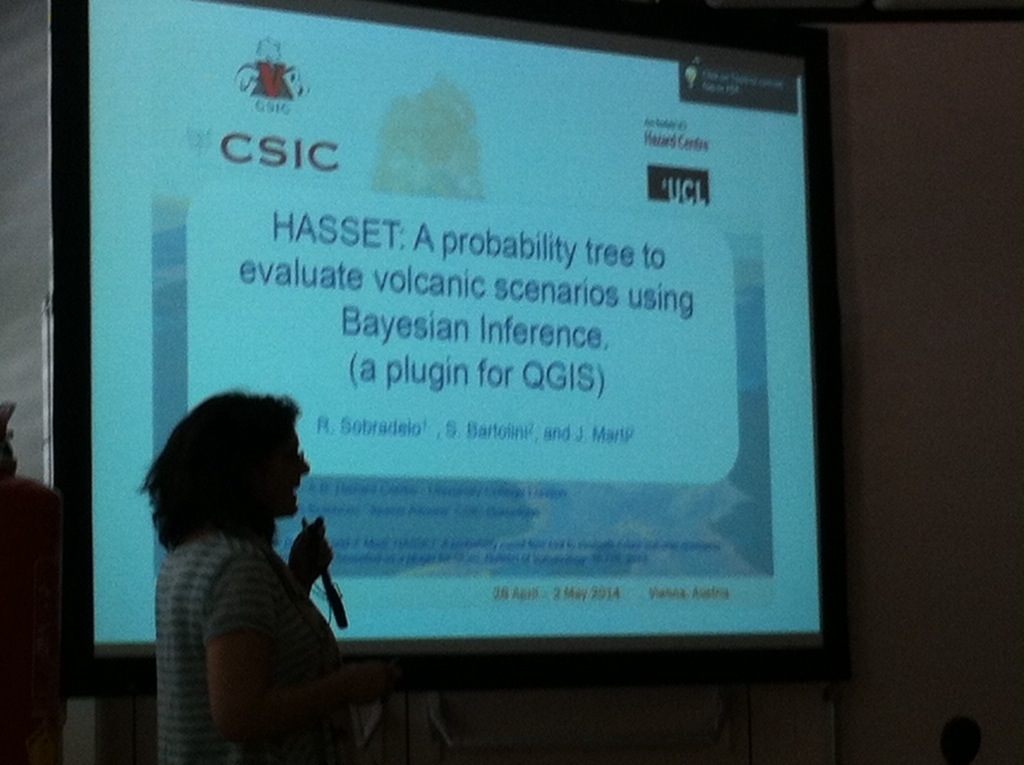
One of the most interesting presentations for me, was on the subject of a bayesian probability event tree, developed to examine the likelihood of volcanic unrest on El Hierro island in the Canary Islands and relating it to what is the origin of that unrest is, how it would evolve, location of the event, magma composition, size or magnitude of the event, products of the unrest and the extent of those products.

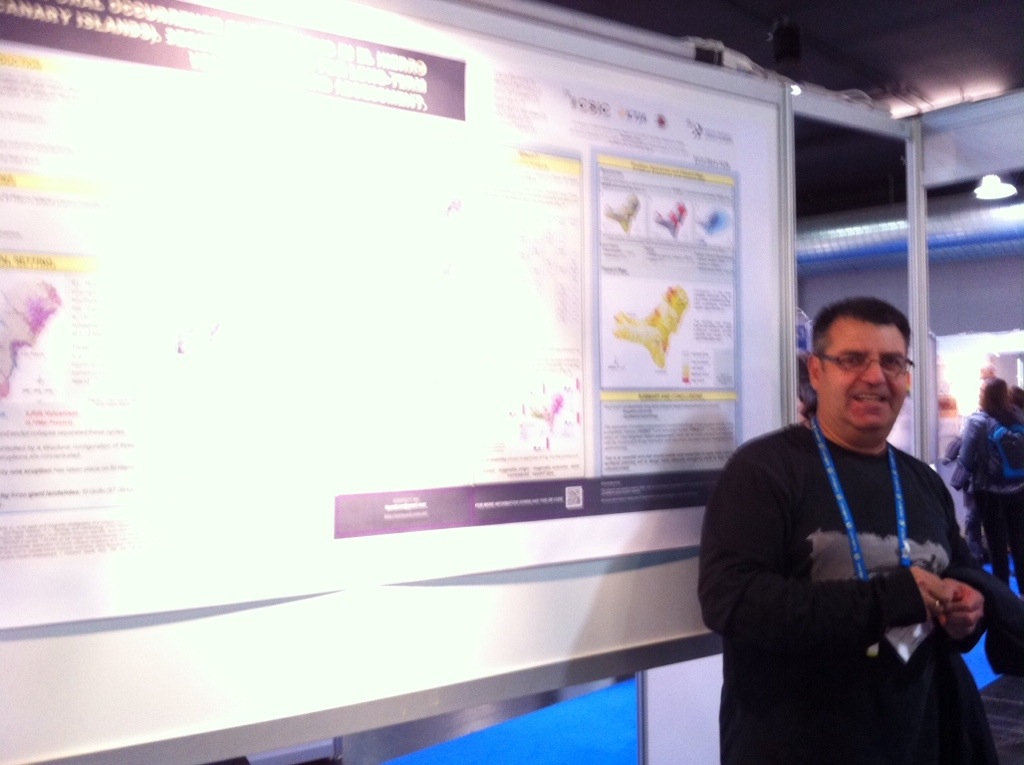
What particularly interested me, was the fact that although there were many geologists, physicists, chemists and other scientists on the team, it seemed like something that could be used by a non-expert planner, or even a civilian resident in the area. After the presentation, I spoke to Dr Joan Marti from the Instituto de Ciencias de la Tierra Jaume Almera, in Spain about the research.

20140429-013010.jpg

He told me that the production of a hazard map from the data depends on the reproduction of a probabilistic model for each of a varied type of unrest scenario (bearing in mind the special temporal probabilities), that when combined with an interpretation of the historical activity of the island (which has been dived into zones) produces a qualitative, not quantitative, hazard map of the whole island – given the probabistic liklihood of activity and what type, magnitude etc etc. What Dr Marti also told me was that the new event tree was designed to be used by local government, because the probabilities and uncertainties have been incorporated within the program. The really great thing about this plug-in is that it can be used to calculate risk from any number of hazards, that may be related. All in all, it’s a tool that will improve local government response to geological unrest on El Hierro. You can read more about this work here.

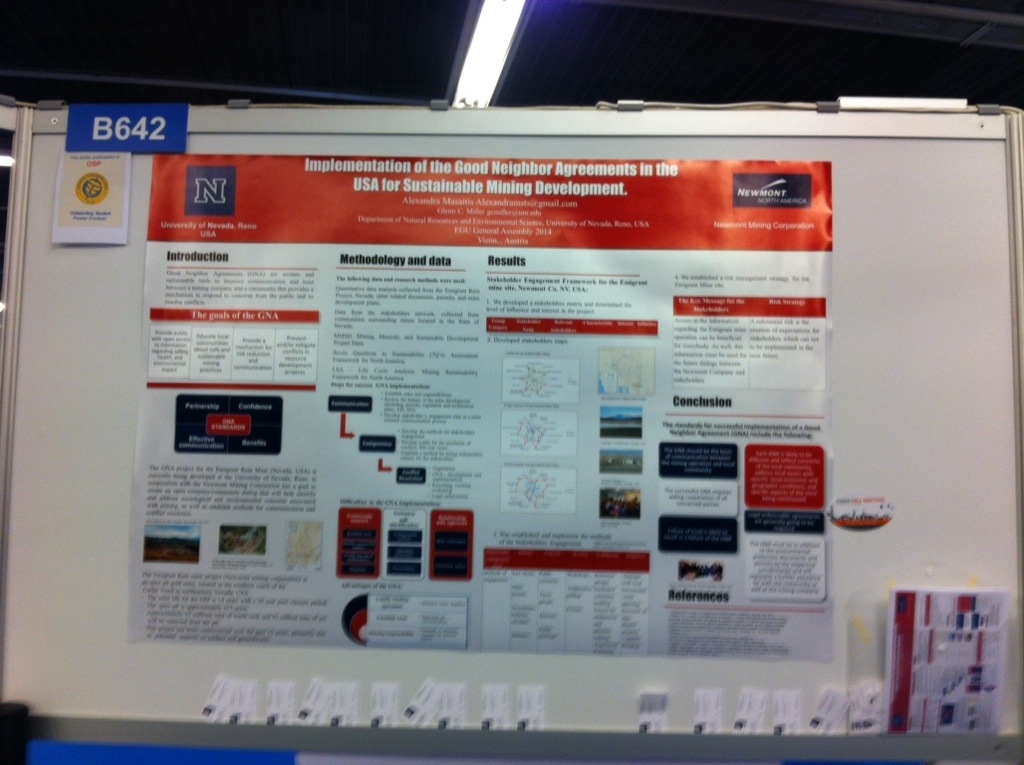
I also looked at the session ERE 3.2 Ore deposits: origin, exploration and mining and although there was a lot of focus on copper ore deposits a couple of presentations caught my eye – the first was a piece of work on Rare-Earth Elements in Pacific seafloor sediments (an interesting idea presented by Jeremie Melleton), but the best presentation for me was by Alexandra Masaitis from the University of Nevada on ‘Good Neighbour Agreements’. The work centred on the idea that above and beyond a social contract, mining companies should be seeking to be ‘good neighbours’ and establish trust with the host community. I was particularly interested because Alexandra’s case study was based in the US, with all the associated legal issues that mining in a developed country can bring. The poster described the implementation process and what was necessary, but didn’t say if the Good Neighbour Agreement was actually considered successful by the stakeholders and the company. One surprising risk that was highlighted was the idea that the company could raise the expectations of the stakeholders to a level beyond that which could reasonably be met, thereby weakening the process.

20140429-015643.jpg

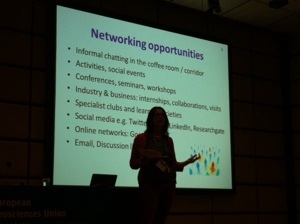
Finally at the end of the day I attended a workshop on Enhancing your Career Prospects – adding value to your research experience. The focus of the workshop was on making the most of your time as a researcher by forming your ‘personal brand’ and using networking effectively. Now I must admit I find networking for the sake of networking a bit stupid (Id rather have something to talk about), but after this session I started to realise what it was all about. The most valuable conversation I had though, was about my personal brand. Who am I and what do I want to be? The thing that came out most for me? As an interdisciplinary researcher, I want credibility within BOTH of my disciplines. And I’m pretty sure I’m not alone – but how do we achieve this?

Answers on a postcard….

20140429-023104.jpg
(One for the office chatters – see, it’s networking really!)

Voice of the Future 2014

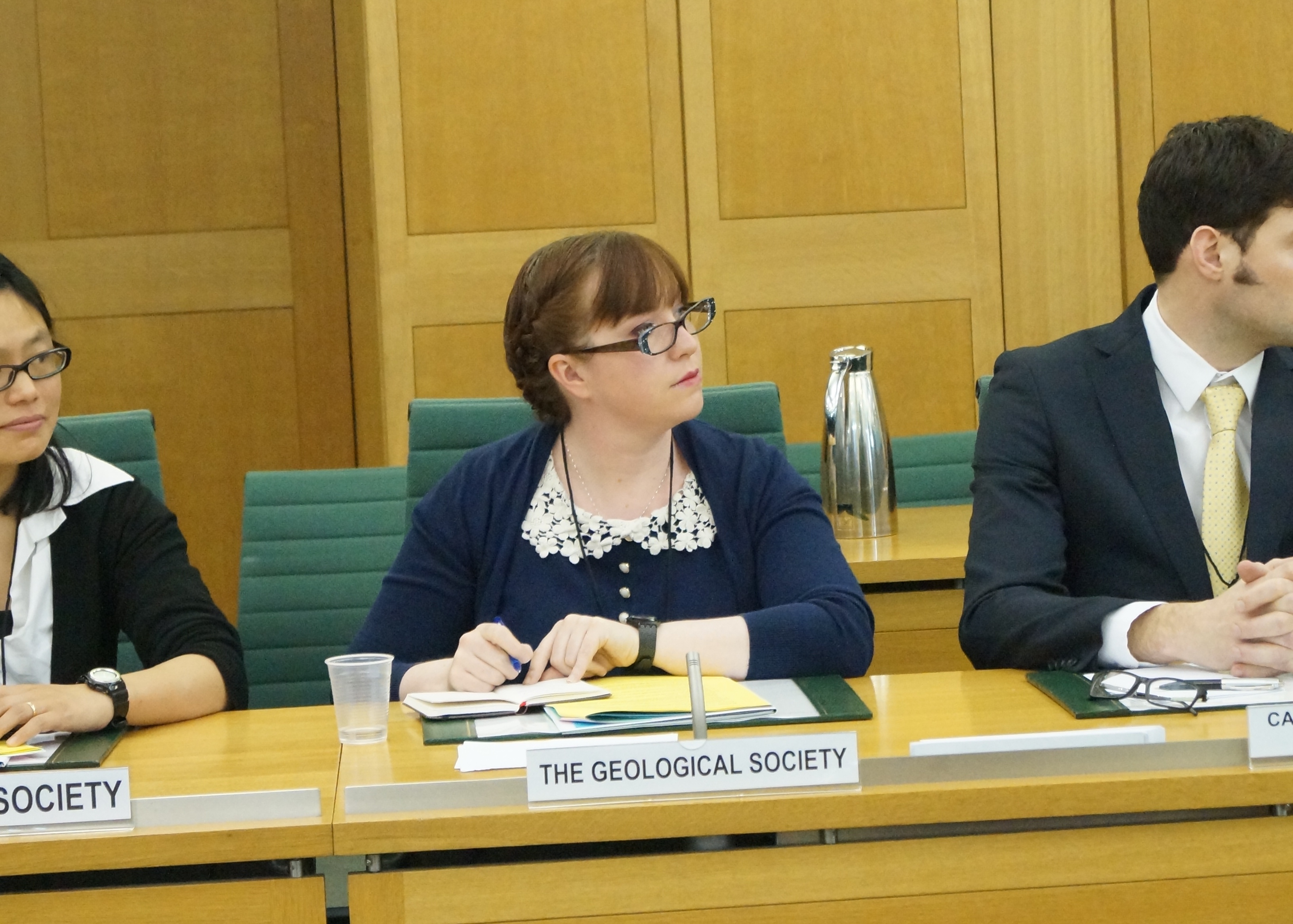
Last week on Wednesday the 19th March, I got the chance to attend an event called ‘Voice of the Future’ that allows early-career researchers and students to ask questions about science policy directly to the politicians who make the decisions. This event happens every year as a part of National Science and Engineering Week and draws student representatives of some of the largest scientific societies in Britain. I was asked to be a representative for the Geological Society, and I couldn’t have been more excited! Especially as it seems like so much happens behind closed doors that the ‘air of mystery’ is more of a fog…!

Representing the Geological Society

Representing the Geological Society

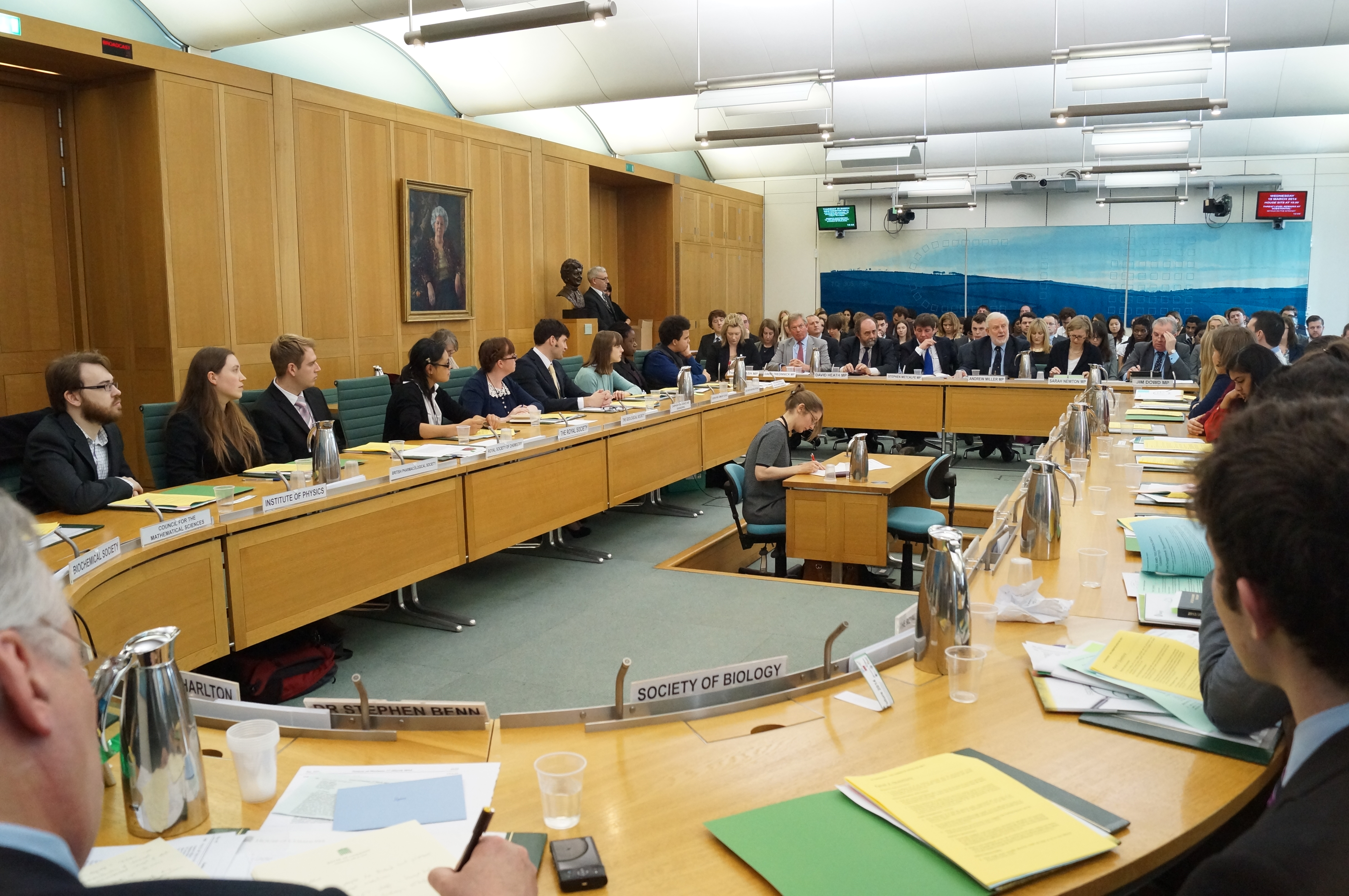
All those who attended had the opportunity to ask a question of the ‘witnesses’ (who would normally have been scientists, economists, etc; but this time were the politicians) and although there were far too many questions submitted than could possibly be asked, most of us at least got a chance to sit at the round table, just like in a real select committee meeting. One of the funny things was that you could be assigned a question asked by someone else, which was a little confusing, especially as you then didn’t necessarily know the background to the question. The questions ranged from public perceptions of scientists, to government funding, to evidence based policy making, and were split into four sessions, each with different witnesses.

Set up just like a real Select Committee Meeting.

Set up just like a real Select Committee Meeting.

The meeting was chaired by Victoria Charlton, from the Select Committee for Science and Technology and the meeting was opened by the Speaker of the House of Commons: John Bercow. Mr Bercow started the meeting by welcoming all the participants, but saying that he had had no interest in science at school – that it frightened him. I’m always saddened when I hear of a subject frightening a person – when knowledge and curiosity are something that is scary; I feel that’s when something has gone really wrong in that person’s educational experience. However, he moved on to say that he now thinks science is an important part of a rounded education (which is true!). He also moved on to describe the two types of politician according to the late Tony Benn; signposts (who have a fixed opinion and never change it) and weathercocks (who have no opinion at all). I was a bit concerned that these were described as the only types of politician as I would much rather have a politician with an opinion, but who was willing to change it in the face of good evidence, but maybe that’s just me!

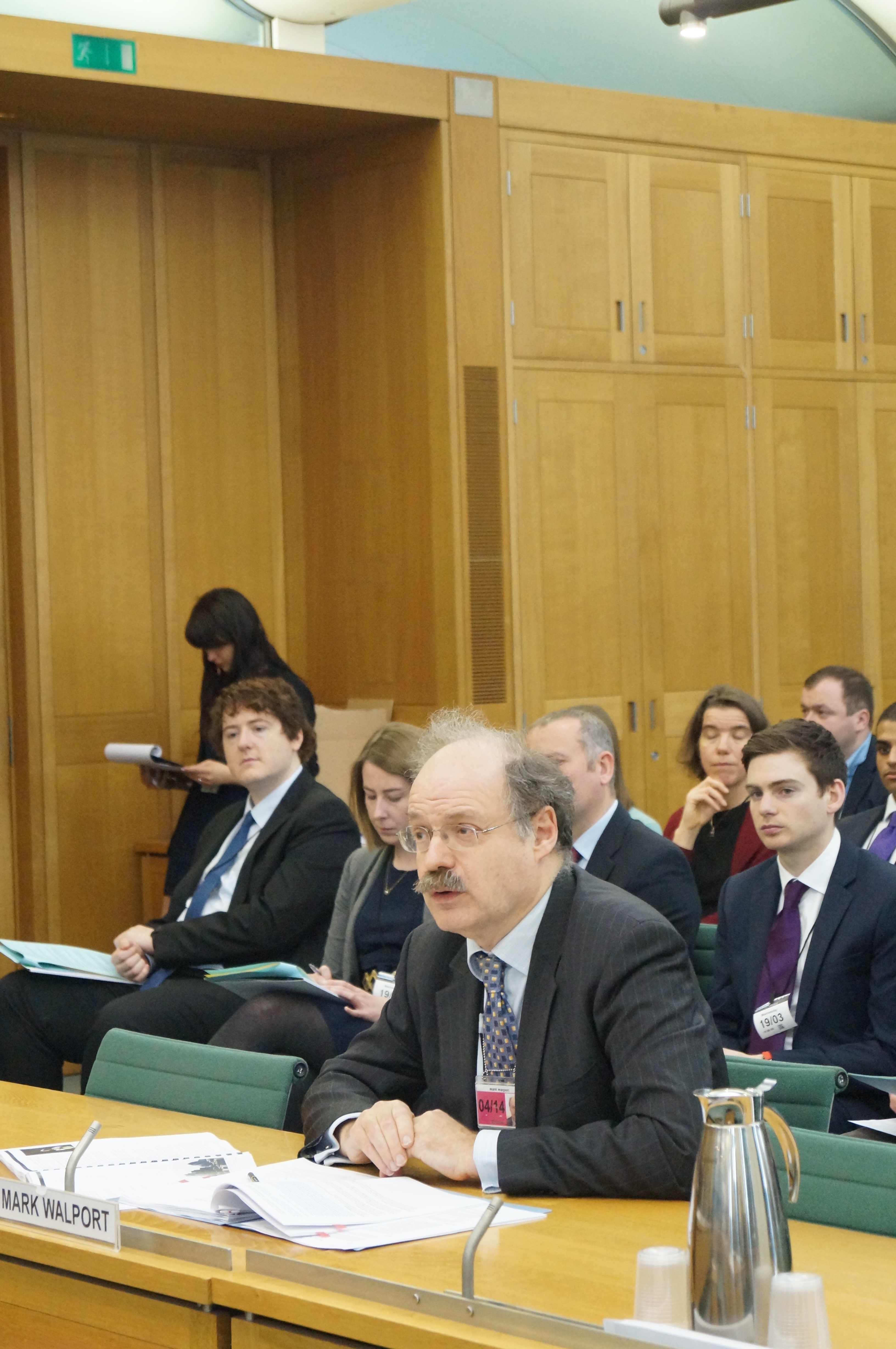
Sir Mark Walport

Sir Mark Walport

We were then introduced to the first session of the day, with our witness Sir Mark Walport, the current Government Chief Scientific Advisor. Sir Mark answered questions on medical technology, Care.data, gender equality in science, the UK’s role in the international scientific community, evidence based policy and how to become Chief Science Advisor. The first question he was asked was about how to tackle the current negative perception of science and scientists, which he answered with my favourite quote of the day:

“You talk about the public understanding of science, but it’s equally important that scientists understand the public as well and so I think we are in a world where we need a public engagement actually – it’s about a two way conversation between the scientific community and all the publics.”

He then proceeded to refer to the recently published Public Attitudes to Science (PAS) survey which highlighted that actually the public don’t seem to perceive science and scientists negatively at all – quite the opposite in fact! This kind of question was repeated in the second session as well, which led me to think firstly that maybe scientists have a defensive view of how we are perceived by the public and also possibly that not many of the question askers were aware of the PAS study (either the most recent one, or any of its previous versions) as this seemed an unusual point to be labouring.
Another question Sir Mark was asked was:

“Do you think the media is dangerously irresponsible in the way that it reports on scientific topics?”

His answer to this was really interesting in my opinion, as he said that perhaps it wasn’t that the media was dangerously irresponsible, but more ‘dangerously variable’. That we can’t think of the media as a single element, and that some reporters work hard and are very effective. He also noted that it ‘takes two to tango’ that scientists must not ‘over claim’ and beware of their data being sensationalised.

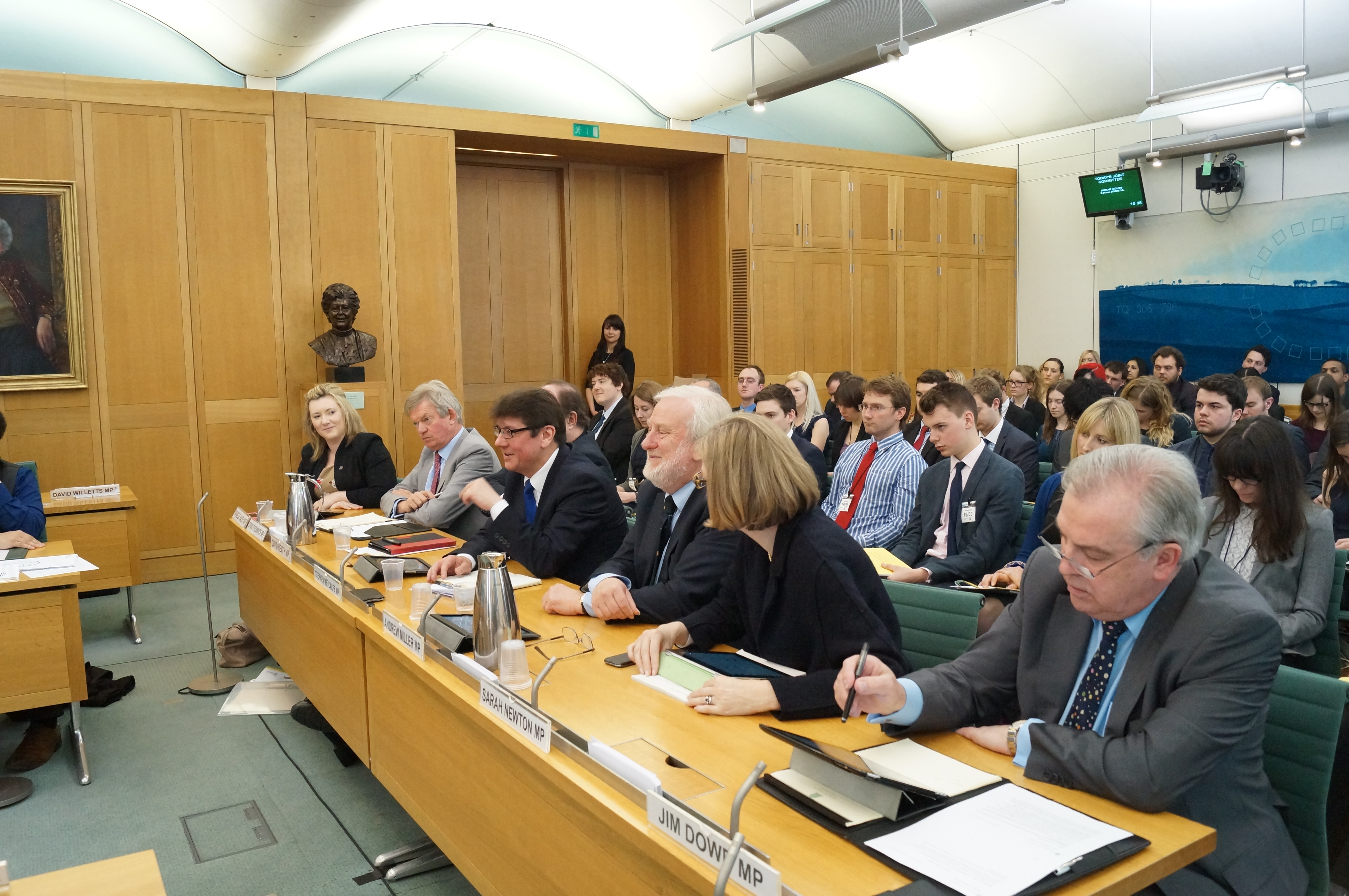
The Science and Technology Select Committee

The Science and Technology Select Committee

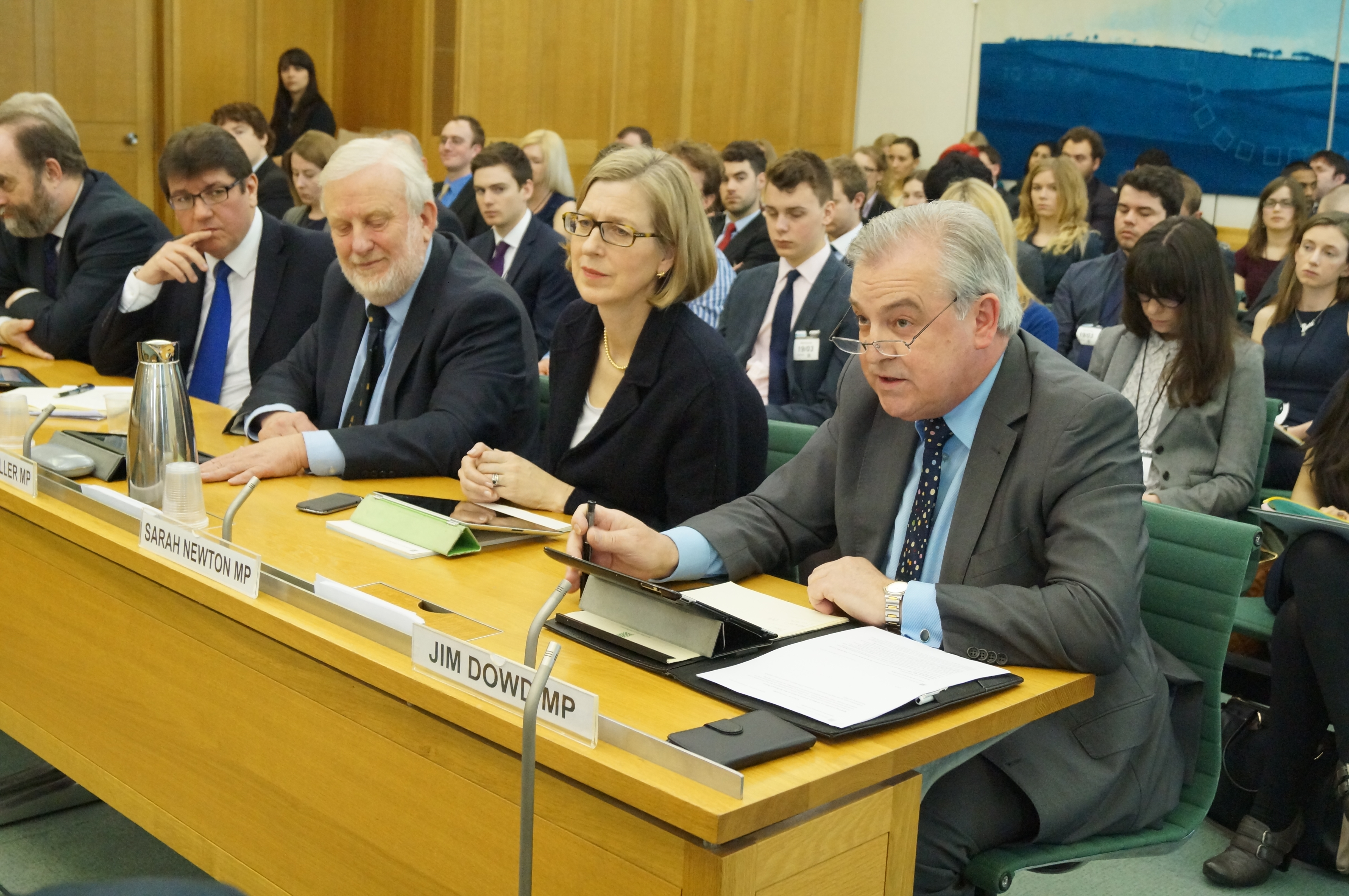
The second session was with members of the Science and Technology Committee; Andrew Miller, Pamela Nash, David Tredinnick, David Heath, Stephen Metcalfe, Sarah Newton and Jim Dowd. This was very interesting as the panel format gave rise to more of a debate between witnesses and also created my second favourite quote of the day. In response to the question:

“How important is it that the general public understand the true value of the medicines that they take and have the opportunity to have a say on this?”

David Tredinnick brought up the subject of homeopathic medicine in response to this question, but I couldn’t help but think that this was TOTALLY the wrong crowd for that. I mean you are speaking to a room full of early careers researchers, who in many cases have had to fight and claw for the little funding they have managed to secure and they are researchers representing the Society of Biology, the Biochemical Society, the Society for Applied Microbiology, the British Pharmacological Society, the Society for Endocrinology, the Campaign for Science and Engineering – and the rest who may not have been medical researchers, but still tend toward the skeptical end of the spectrum!! Still David Heath stepped in with the brilliant reply:

“I feel like I’m being drawn into an argument I don’t want to have, I just prefer evidence rather than… magic.”

You could tell that his response went down well in the room! Other questions asked in this session related to the Haldane principle, the science curriculum, nuclear reactors, access to scientific information, what researchers can do to become more engaged with Parliament, GM crops and evidence based policy. The panel were also asked:

“What single major scientific discovery would you hope to see in your lifetime?”

The answers were varied and interesting, from room temperature superconductivity, issues around resistance to antibiotics and deep space exploration. David Tredinnick suggested electricity transmitted ‘through the ether’, and whilst David Heath initially plugged for supermarket packaging that you could actually open, he actually wanted to see medical tri-corders invented (extra points for the Star Trek reference). Stephen Metcalfe wanted a better understanding of the origins of disease and Andrew Miller finished with a big picture wish – to better learn how to manage the limited resources of our planet.

Jim Dowd wants room temperature superconductivity developed.

Jim Dowd wants room temperature superconductivity developed.

The witness for the third panel was Liam Byrne, the Shadow Minister for Business, Innovation and Skills. He answered questions on life science investment, evidence based policy, Scotland’s potential independence, MP’s access to scientific advice and retention of young scientists and engineers. He also answered the question:

“If the Government’s ambition to obtain highly skilled professionals from all backgrounds was real, would the first step not be to extend student loan funding to Masters level students, enabling a greater number of students to undertake professional postgraduate study?”

Mr Byrnes answer was yes, as he understood now that in some fields in order to distinguish yourself you need to have postgraduate study, and that we cannot leave our workforce’s career development in the hands of the large banking corporations.

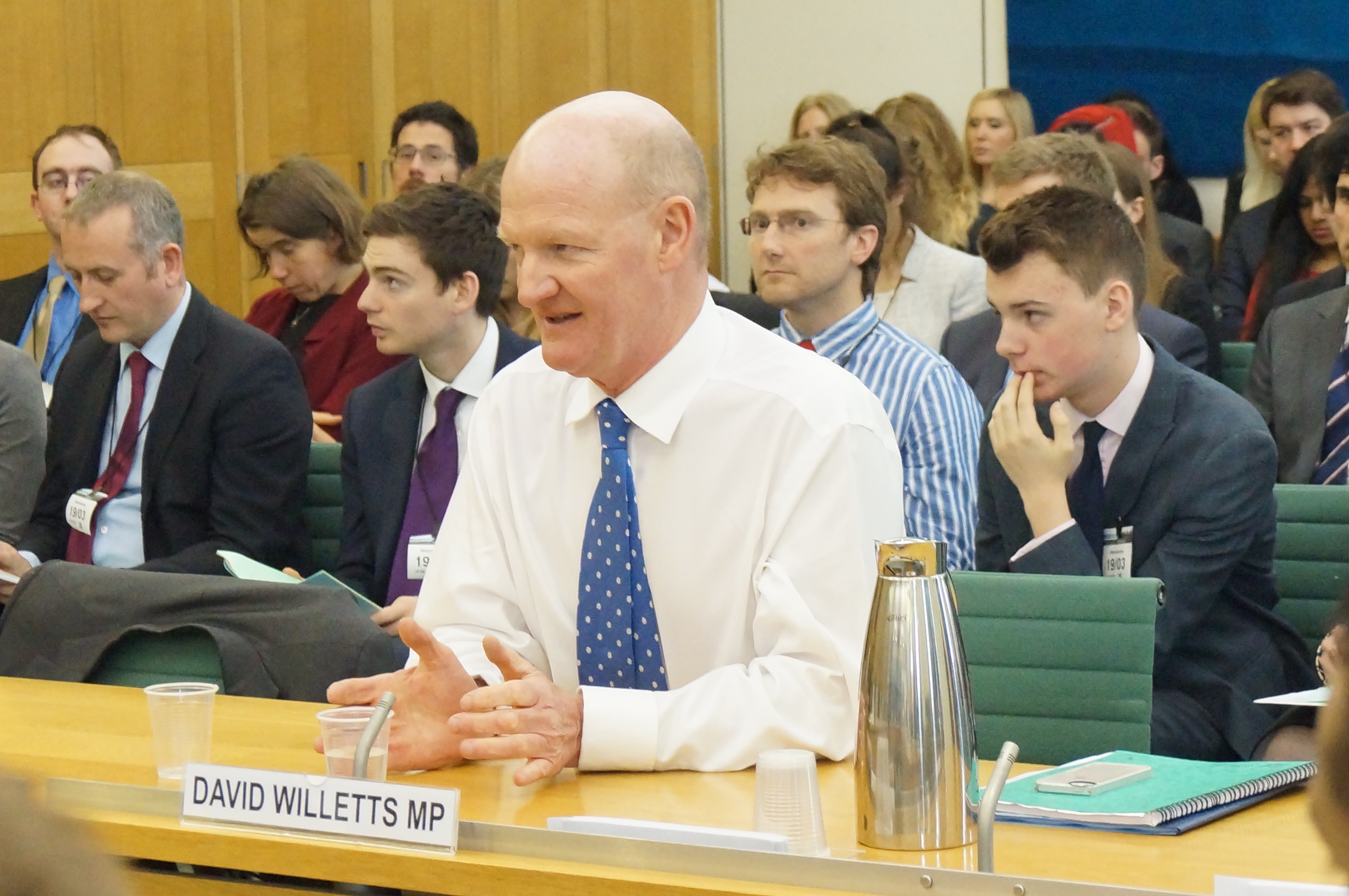
David Willetts MP

David Willetts MP

The fourth session was attended by David Willetts, the Minister for Universities and Science – who was late. When he did arrive, he was quite short with his answers (and I understand that it was Budget Day, but a) I think that applied to everyone else as well and b) if he was too busy he should have just said no), but answered on the topics of science teachers, the focus of funding research, the privatisation of NERC research centres, encouraging diversity, development of space technology, immigration and the skilled researcher brain drain.
The meeting was concluded by Andrew Miller saying that whilst the meeting was a good start, it was incumbent upon us to keep in contact – tell our MP’s about our research, send in evidence for consideration and to keep talking about policy that we value.

“We need your help” he said, and of course, he is right.


So I know this was a long post, but I think it was worth it. The photographs were used by kind permission of the Society of Biology (contact Dr Rebecca Nesbit) and if you want to see the meeting, the video of the session is avalible here.

Am I a science evangelist?

Recently I have been hearing a lot of references to science evangelism, mostly indicating someone who is really really passionate about communicating science. Now the second part (especially when it comes to geology) is definitely true about me, but I’m slightly unsure about the ‘evangelising’ part. I grew up in South Devon, not really a part of the world known for extremely strong religious beliefs, but there were a number of devout religious practitioners in my street and the nearby community. I knew the kids from some of these families, we went to school together and played together, but every so often they would come to our house, all dressed up smartly, to try and sell us their religion. Now realistically I imagine the children that I was friends with probably didn’t care if we wanted to be the same religion as them so long as we were willing to go off on adventures through the woods and play on the swings, but their parents did care. I remember how excruciatingly uncomfortable these little visits would be – my parents aren’t particularly religious, but when the person with a pamphlet lives a few houses away and their kids play with yours, it’s a lot harder to turn them away!

I think this is where my problem with ‘evangelism’ comes from. An evangelist is defined in the Oxford dictionary as:

EVANGELIST (noun)

  • A person who seeks to convert others to the Christian faith, especially by public preaching
  • A layperson engaged in Christian missionary work
  • A zealous advocate of a particular cause
  • The writer of one of the four Gospels (Matthew, Mark, Luke, or John)

Now I do love science, and do I think people would be better off if they understood more science (and geology)? Absolutely. But I don’t need people to believe in science – to want to make it their life’s work or suddenly go start chemistry busking in Croydon (although either of these things would be awesome). Now just to clarify, I still think everyone can do science (and should understand the basics), I just don’t think it needs to be number 1 priority for everyone.

I like having friends who are lawyers, accountants and historians, who sing with beauty and fire or can name pretty much every rugby player that England has had for the last decade (yes Jen, I’m looking at you). Science is great, it challenges you and forces you to look at the world through new eyes. But it is not the only beautiful and challenging thing about our lives. The question I have to ask is in that case do we need to redefine what evangelism means in a science communications sense? I think we do.

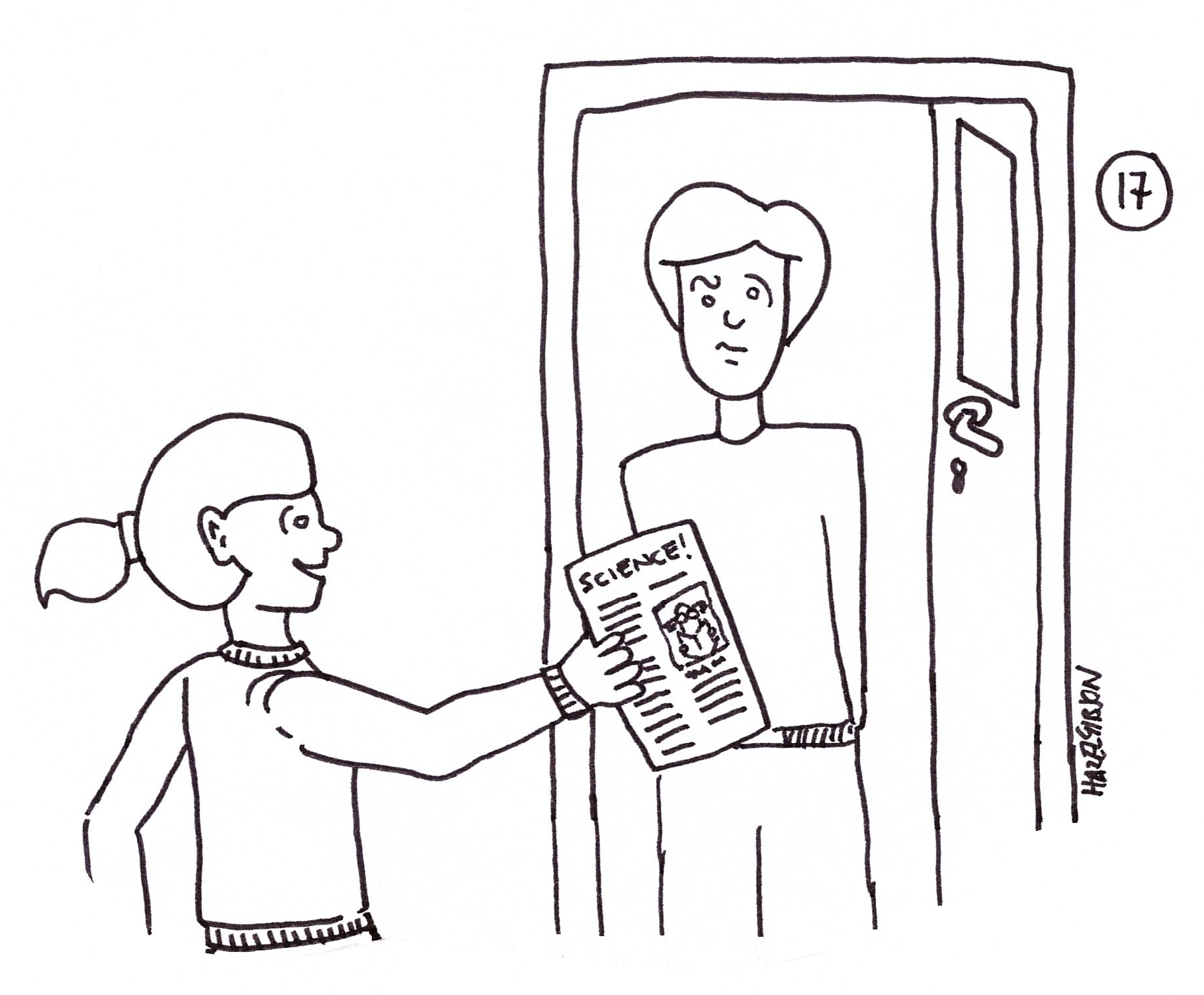
Look - it's SCIENCE!!!

Look – it’s SCIENCE!!!

So I have decided to redefine science evangelism for myself.

SCIENCE EVANGELIST (noun)

  • A person who shares their enjoyment of science and curiosity about the world; without judgement, superiority or sometimes even company!

If a scientist evangelises in forest when no-one is there, do they actually make a sound?!?