The geology of Super Bowl XLVIII

So this year, for the first time in YEARS, I didn’t stay up all night watching Super Bowl Sunday. No I was being sensible as I had to be up early do go to a first aid course. In hindsight, I would much rather have stayed up for Super Bowl (go you Seahawks!) as the first aid course was not as interesting as they usually are. So here I am, knowing the Seahawks won (yey!), watching the catch up on the t’internet. So I thought whilst I was doing so I would have a little look at the Geology of the Super Bowl!

Super Bowl XLVIII image from Wikipedia.com

Super Bowl XLVIII image from Wikipedia.com

Let’s start with the location. Super Bowl XLVIII was in New Jersey this year – at the MetLife Stadium, home of the New York Giants. The geology of this area is a mudstone/siltstone/shale that was deposited in the Lower Jurassic to Upper Triassic. The area has been extensively glaciated, and at the end of the last glacial period, Lake Hackensack formed and was gradually filled with layers of silt and clay. The site eventually became the marshlands of the Hudson River and a part of the floodplain for the same. As such when the stadium was constructed, piles were used to prevent the building moving under its own weight on the unstable ground. Details of the geology of the stadium area and the geotechnical engineering plan are avaliable here.

Now the game is going well, but it wouldn’t be controlled at all without the ref’s whistle. The whistles used by the NFL are produced by Fox40 and are made of polycarbonate plastic. They are pealess which makes them more reliable (apparently – I’ve never tried one) and produce a sound of 115dB!!! The polycarbonate plastic is a very durable type of plastic, usually made from hydrocarbons – so oil and gas…

TOUCHDOWN!!! And you know what that means – it’s time to go for the conversion. And you wouldn’t be able to get the extra point without the goals. The goal posts in yesterday’s game are aluminium (or aluminum in the States!) and are made by a company called Sportsfield Specialities. Aluminium, those of you who saw the mineral advent calendar may remember, is a metal found in the mineral Bauxite (among others). Still I’m not sure that’s what Malcolm Smith was thinking in the moment he flung that ball at the goal in victory after an AWESOME touchdown. Or Steven Hauschka when he lined up for the conversion.

Well done Seahawks!!!!
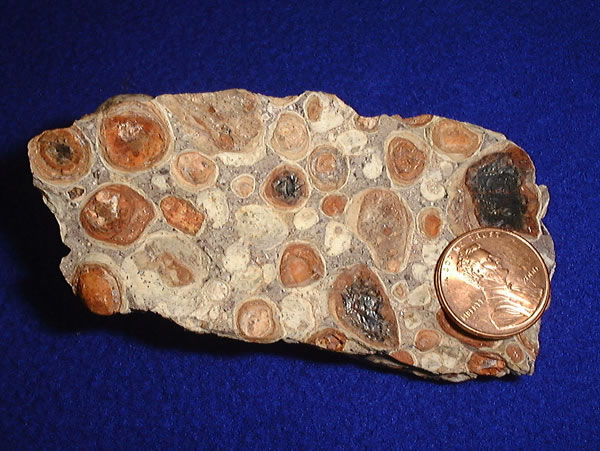
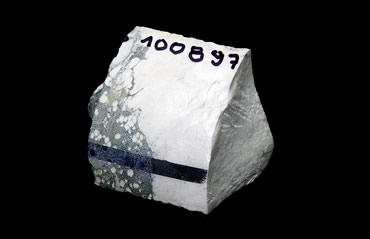
Bauxite (image from Wikimedia.com)

Bauxite (image from Wikimedia.com)

Its half time and how the heck do they manage to get that stage set up so quickly?!?! I mean there was a whole football game going on on that field about 2 minutes ago!!!! Anyway. I like the fact that the lights are on people’s heads apparently. It gives me a funny image of all these people with free headlamps stuck on their heads!! To make those lights work little LED lights were embedded into black hats by a company called PixMob. LED lights depend on gallium nitride (or other gallium based compounds) on a sapphire substrate to work. Gallium is a rare element found in the minerals Sphalerite and our old friend Bauxite. So you could say that the audience were wearing tiny crystals wrapped in a rare element. Awww, makes it seem all special doesn’t it!!

Little LED lights sparkle in the stadium...

Little LED lights sparkle in the stadium…

Now, as much as I am supporting the Seahawks (because they are from Seattle and my favourite part of the States so far is the Pacific North West in general and Washington in particular and not because they won, I would have supported them anyway), are the Broncos even there? I mean I see people in orange shirts and that looks like Peyton Manning, but 29 to nuthin and we have only just started the third quarter? Come on – a little more fight for the Super Bowl guys!!!

So the Broncos score, but is it enough? (we know it’s not) At least the Broncos mascot Thunder the horse got to have a little run. Ah that’s nice. Thunder, like many horses in the US, is probably shod with steel. Steel is an iron and carbon alloy and iron is a metal found in many minerals; pyrite, ochre, haematite and goethite. Poor Thunder – you won’t need long lasting shoes tonight – you might as well just head for the stable.

This is Thunder - the Bronco's mascot (image from Wikipedia.com)

This is Thunder – the Bronco’s mascot (image from Wikimedia.com)

And the Seahawks win! Whoop! Well it’s a bit less exciting when you know the score before you see the game, but it would have been better if the Broncos had been in it more. But anyhoo – it’s now all about the prize – the Vince Lombardi Trophy. It is 56cm tall and is entirely made of sterling silver by Tiffany’s jewellers.

Congratulations Seahawks, you deserve it.

To the victors, the spoils.

To the victors, the spoils.

Any more geology from the Super Bowl? This was just a quick skim really….

5 films you didn’t know are about geology.

When I’m not wandering the coast looking for fossils, stitching up a mean quilt or just generally musing about how awesome geology is (and it is. Seriously.), I like to watch the odd film. Or two, or many. In fact it was a standing joke with an old housemate that I could start my own DVD rental if I wanted to. In fact I had to join a DVD postal rental service (which shall remain nameless) just to curb my addiction. It does mean that I have a rather nerdy knowledge of films and am quite often asked which is my favourite geology film. THERE ARE SO MANY!! But The Core has to win hands down for sheer absurdity and comedy value. You want to see someone actually destroy a TV through frustration at the scientific inaccuracies? Watch The Core with a geologist. It’s like watching Avatar with a zoologist – brilliant.

But the Core, although being amazing (ly terrible) is quite obviously a geology film. So what about those hidden gems that you didn’t know have great geology in them?

Here are my top five:

5. Lord of the Rings: The Return of the King

The volcano has it...

The volcano has it…

So apart from the totally awesome fact that J.R.R. Tolkein based the structure of Middle Earth on modern (at the time) theories of contiental drift, let’s not forget that the One Ring that ruled them all was forged in the fires of Mount Doom – not a really badly named forge, but a kick-ass volcano, brilliantly visualised erupting in a strombolian style at the end of the movie, with fantastic volcanic bombs flying all around the outcrop of basalt that Frodo and Sam lay on until they got rescued by the eagles (and did anyone else think ‘why didn’t the eagles just fy them there in the first place?’).

So no volcano, no Ring, no movie.

4. Superman

Watch out for the meteorites Superman!

Watch out for the meteorites Superman!

The original version here not any of the reboots, though I was pleasantly surprised by Man of Steel. One of my favourite recent discoveries was that of actual Kryptonite (OK technically described in Superman Returns, but we see it first in Superman). Yes Kryptonite, or sodium lithium boron silicate hydroxide, is an actual mineral. Unfortunately it isn’t green, but white and it doesn’t come from the planet Krypton, but still…. cool huh?!

Is it a bird, is it a plane? No, it's sodium lithium boron silicate hydroxide!

Is it a bird, is it a plane? No, it’s sodium lithium boron silicate hydroxide!

3. Billy Elliot

It's all about the coal...

It’s all about the coal…

Another film where the geology is in the background, and yet a central part of the whole film. Billy lives in Everington (a fictional town) in the north east of England and he wants to dance, but his coal miner Dad doesn’t like the idea of it. The film is set during the Coal Miner Strikes of the mid 80’s and actually depicts what happens to a town when the mineral wealth runs out. The coal miner storyline is integral to the emotional plot and you wouldn’t get that without the mine. Plus facing a little of the realities of coal mining in the 80’s is a little scary – it was not a fun job.

2. The Shawshank Redemption

All you need is a rock hammer...

All you need is a rock hammer…

‘Oh, Andy loved geology. I imagine it appealed to his meticulous nature. An ice age here, million years of mountain building there. Geology is the study of pressure and time. That’s all it takes really, pressure, and time.’

Basic motto of this story, if you want to escape from jail – make friends with the geologist. If Andy Dufresne had been a taxidermy enthusiast instead of a geology enthusaist, the story would’t have ended in quite the same way me’thinks.

1. The Poseidon Adventure

Watch out for that giant wave!! And Gene Hackman!!

Watch out for that giant wave!! And Gene Hackman!!

‘From the seismographic station in Athens, sir…..Subsea earthquake, 7.8 on the Richter Scale, epicentre 130miles northwest of Crete…’

So begins one of the best disaster movies of all time. And it HAS to be the original – the modern one doesn’t hold a candle in comparison. For one thing, given the fact that right up until the Asian tsunami of Boxing Day 2004, tsunamis were called tidal waves and were depicted as waves crashing on the beach, this film has a lot of good information in it. From the seismographic station giving details such as the epicentre of the quake as well as it’s magnitude, to the way the wave behaves as it approaches the ship, this is a classic hidden geology film. Plus you get to see Gene Hackman playing the PERVIEST preacher ever and Leslie Nielsen, as Captain Harrison, gets one of the best conversations of the whole film

Captain Harrison: [about the oncoming tsunami] It seems to be piling up in those shallows… By the way, Happy New Year.

First Officer Larsen: Thank you, sir. Same to you.

Harrison: [back to business] What’s its speed?

Larsen: 60 knots, sir.

Harrison: It must be mountainous…

Tsunami, what tsunami?! He is so cool!!!!

Anyway, those are my favourite ‘not so obvious’ geology films, what are yours?!

Fossil hunting in the rain

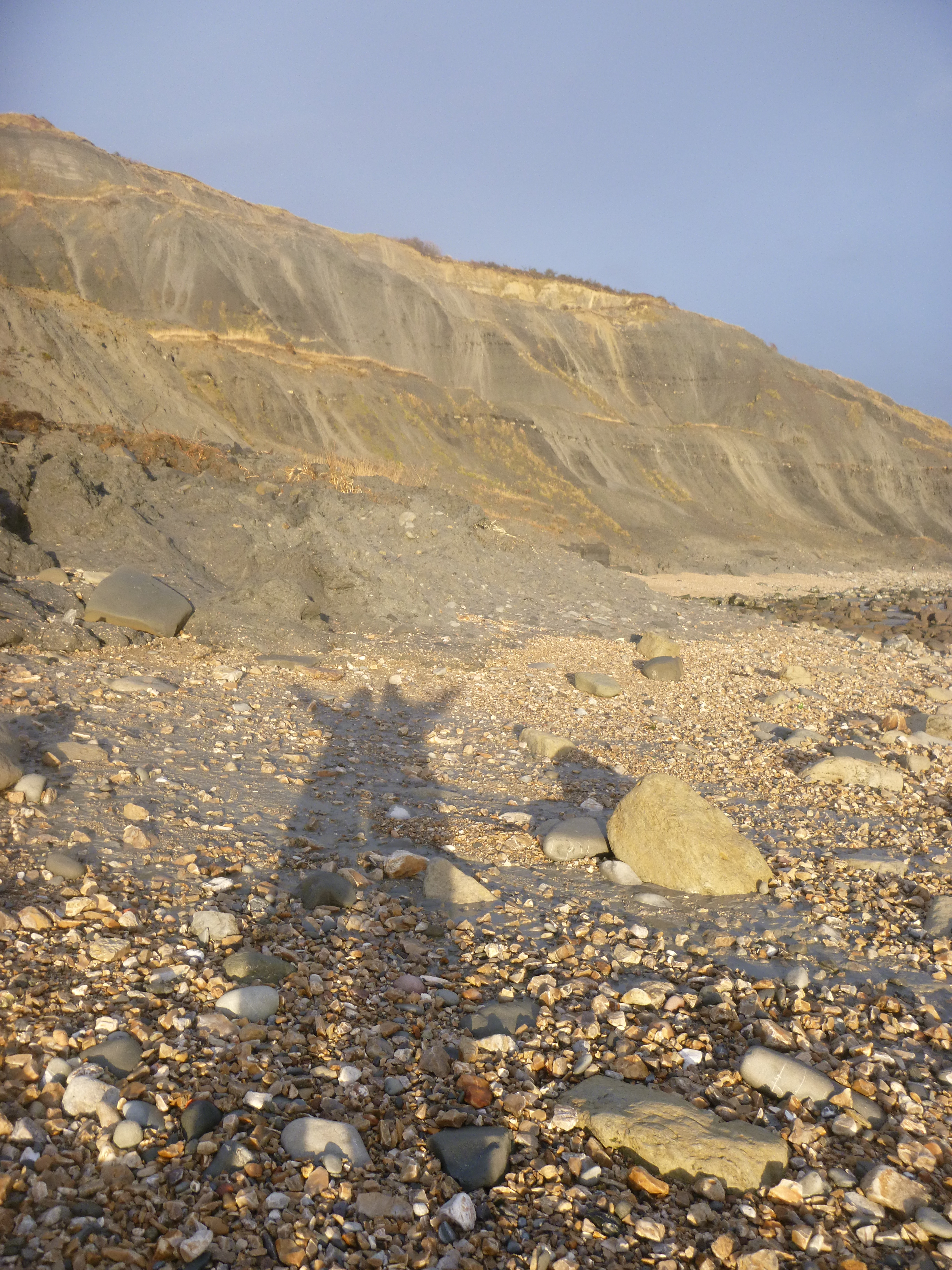
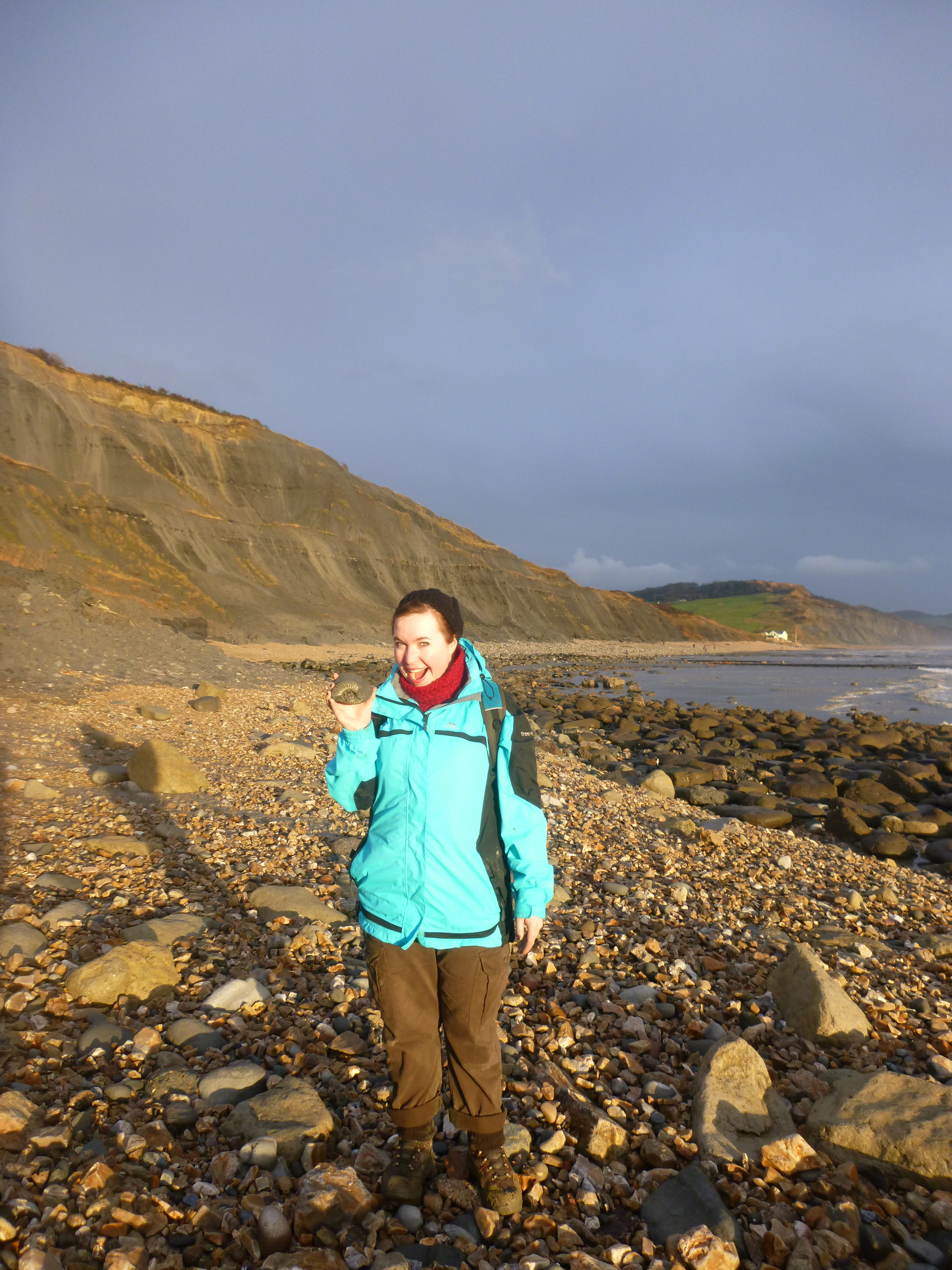
On Saturday I took my sister (she of the amazing ammonite quilt) to do a little fossil hunting. Now as safety comes first we didn’t head to our favourite spot of Seatown in Dorset, but to Charmouth, which has much better access, even after the recent stormy weather. We also timed our visit so that we would be heading out at low tide, which on Saturday was at about 2pm.

Ideal!!

But did that stop us? Not on your nelly - remember, there is no bad weather - only bad clothing!

But did that stop us? Not on your nelly – remember, there is no bad weather – only bad clothing!

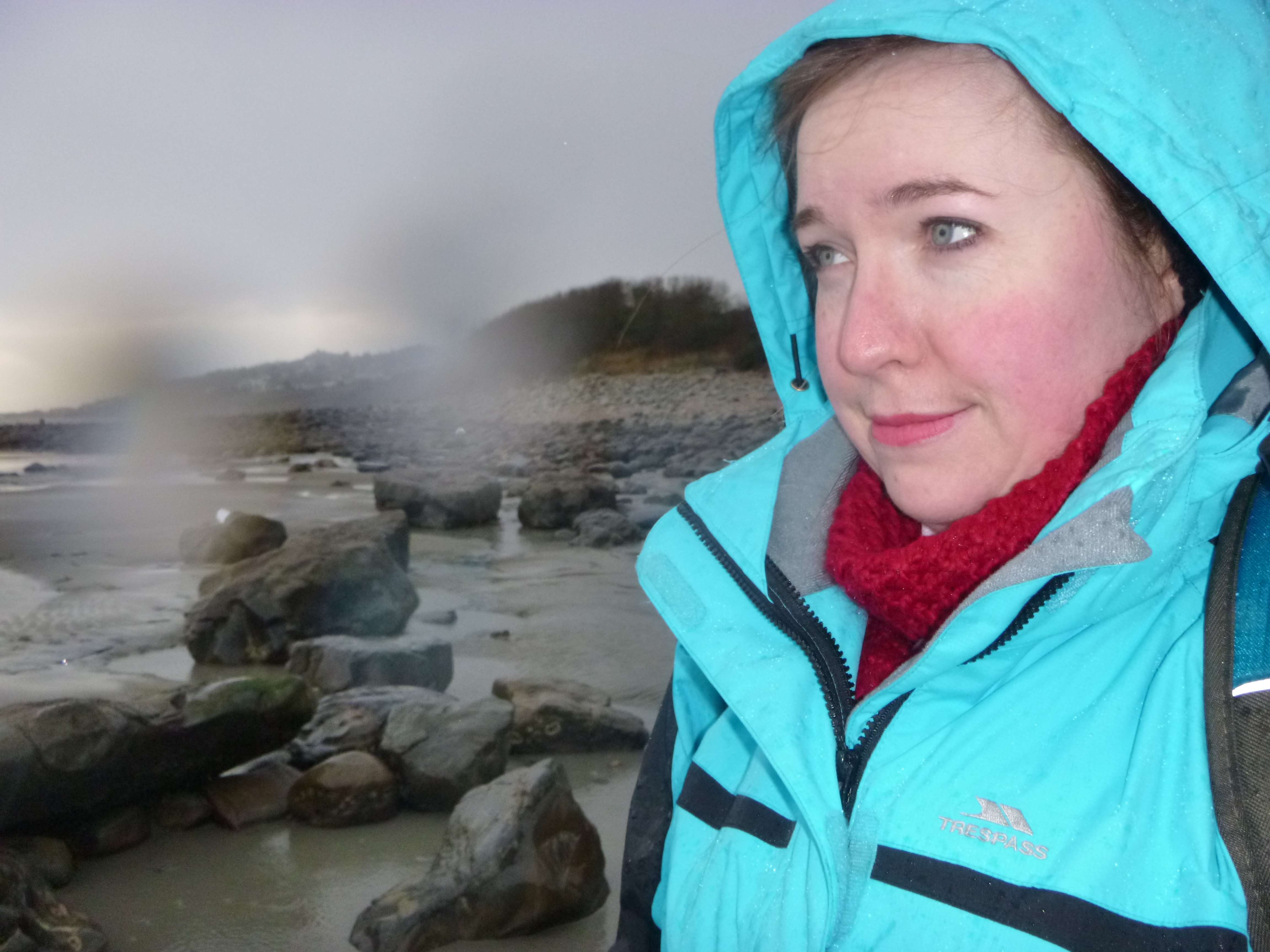
Low tide at Charmouth

Low tide at Charmouth

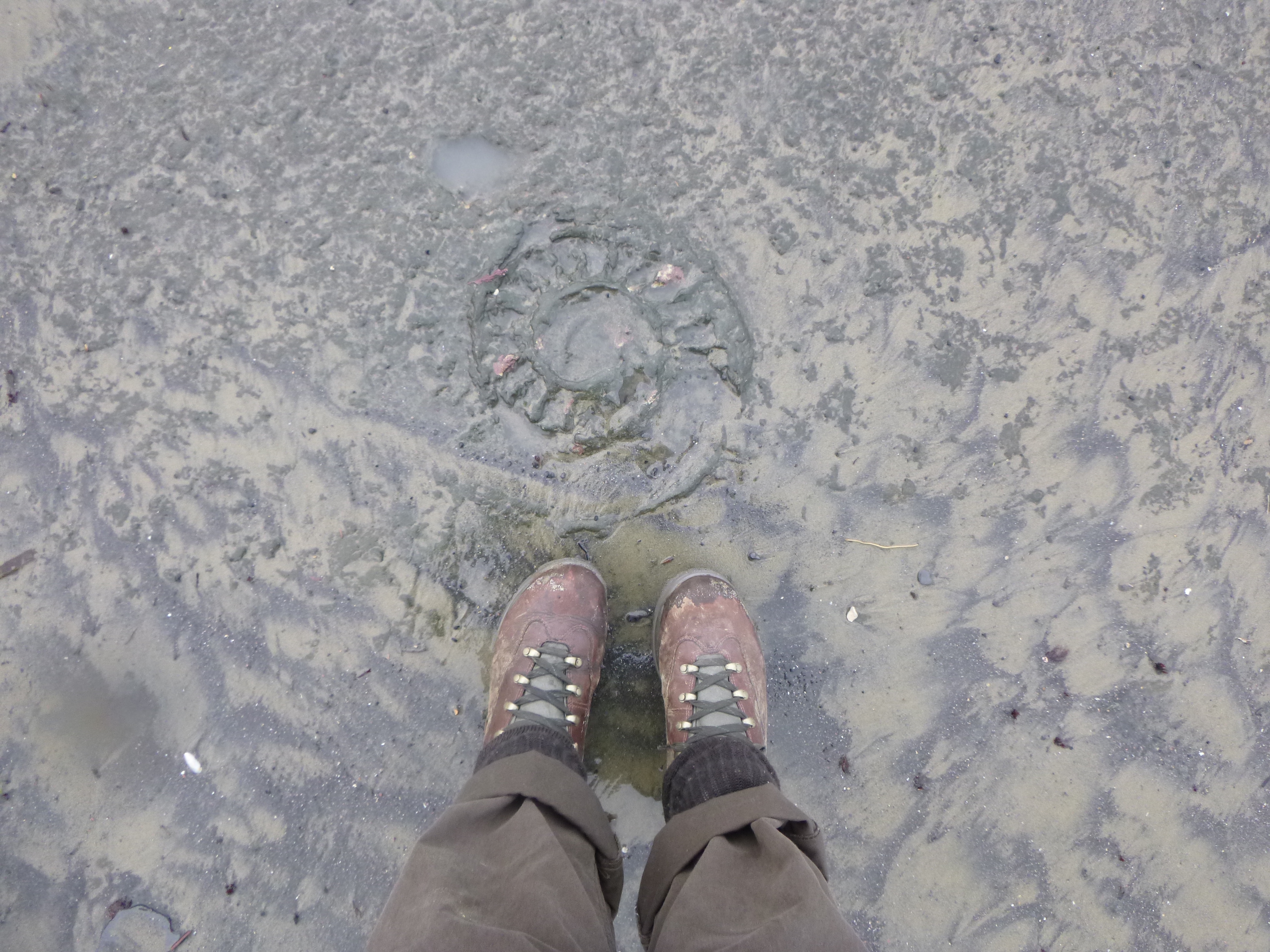
Our first fossil spot is a small ammonite (super over exposed!)

Our first fossil spot is a small ammonite (super over exposed!)

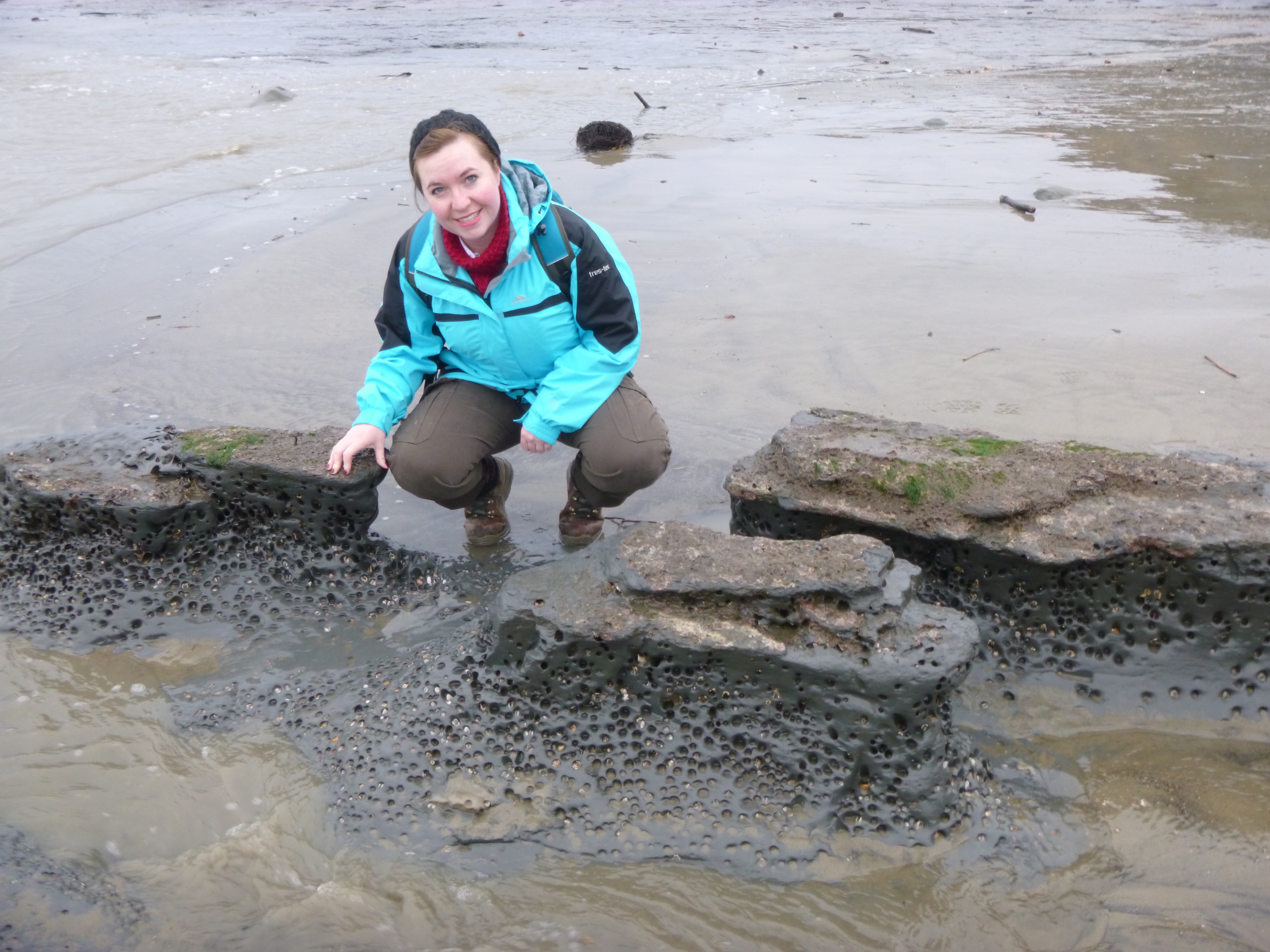
When the tide is this low you can see where the Piddock shells bore into the rock.

When the tide is this low you can see where the Piddock shells bore into the rock.

And these ammonites are ussually underwater!

And these ammonites are ussually underwater!

The day wasn't without the rain...

The day wasn’t without the rain…

But there was sunshine too!

But there was sunshine too!

And a nice man even gave us a fossil.

And a nice man even gave us a fossil.

We managed to do a fair bit of collecting – mostly ammonites and belemnite fragments (I love belemnites!), but unfortunately no 5ft long ichthyosaur fossils. Grrr.

When I got home it was time to clean and properly catalougue what we had found..

When I got home it was time to clean and properly catalougue what we had found..

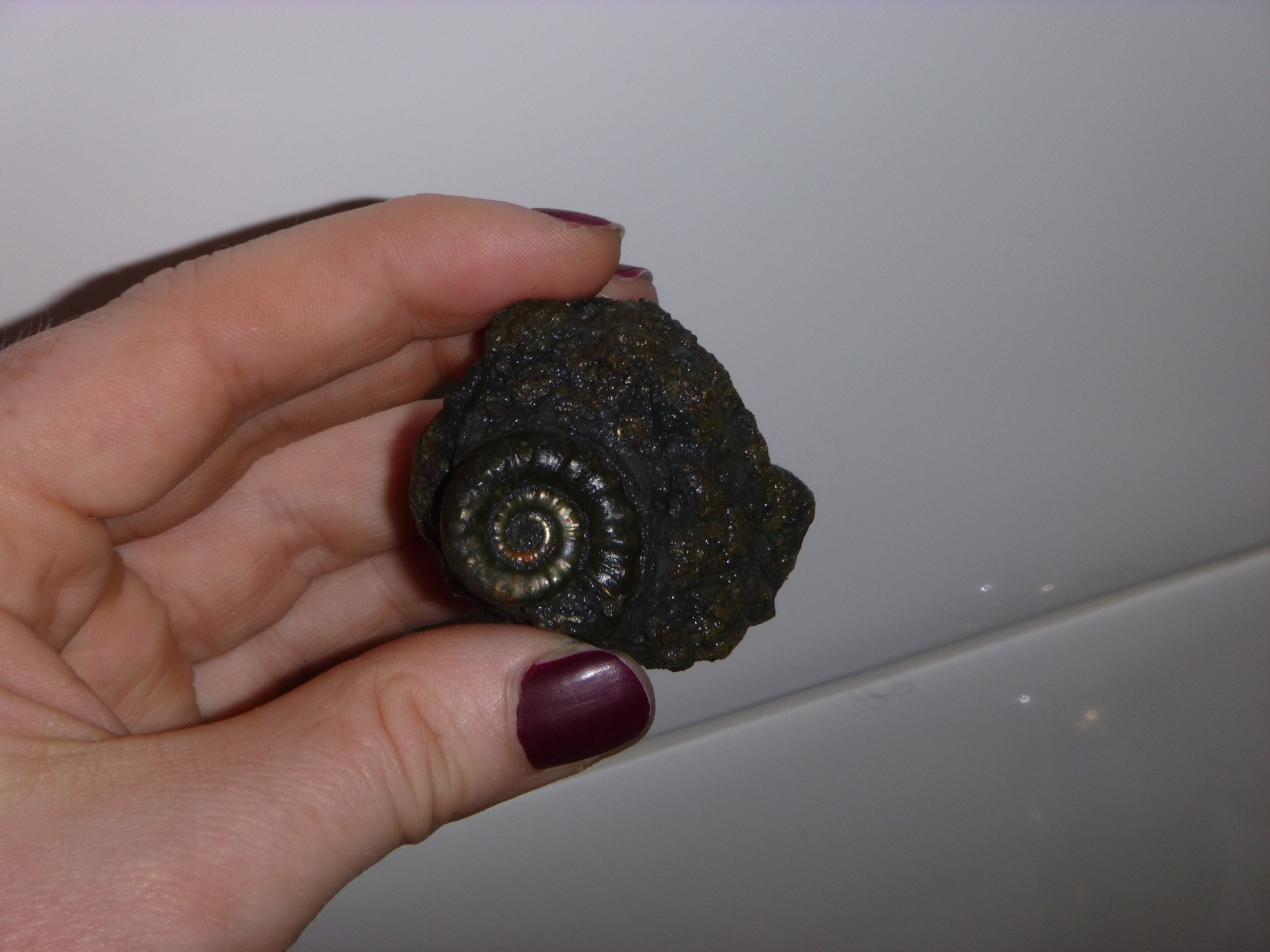
There were ammonites...

There were ammonites…

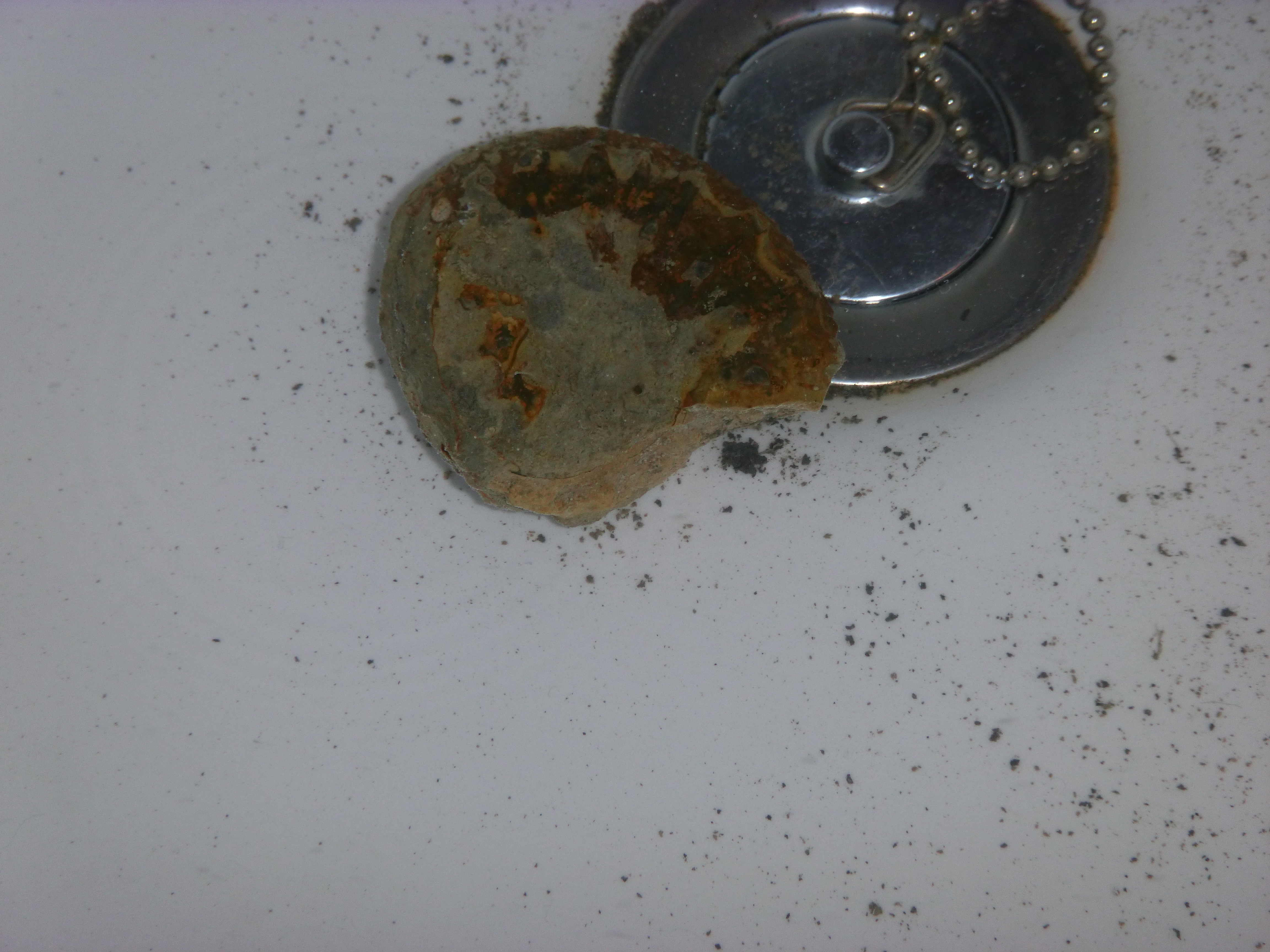
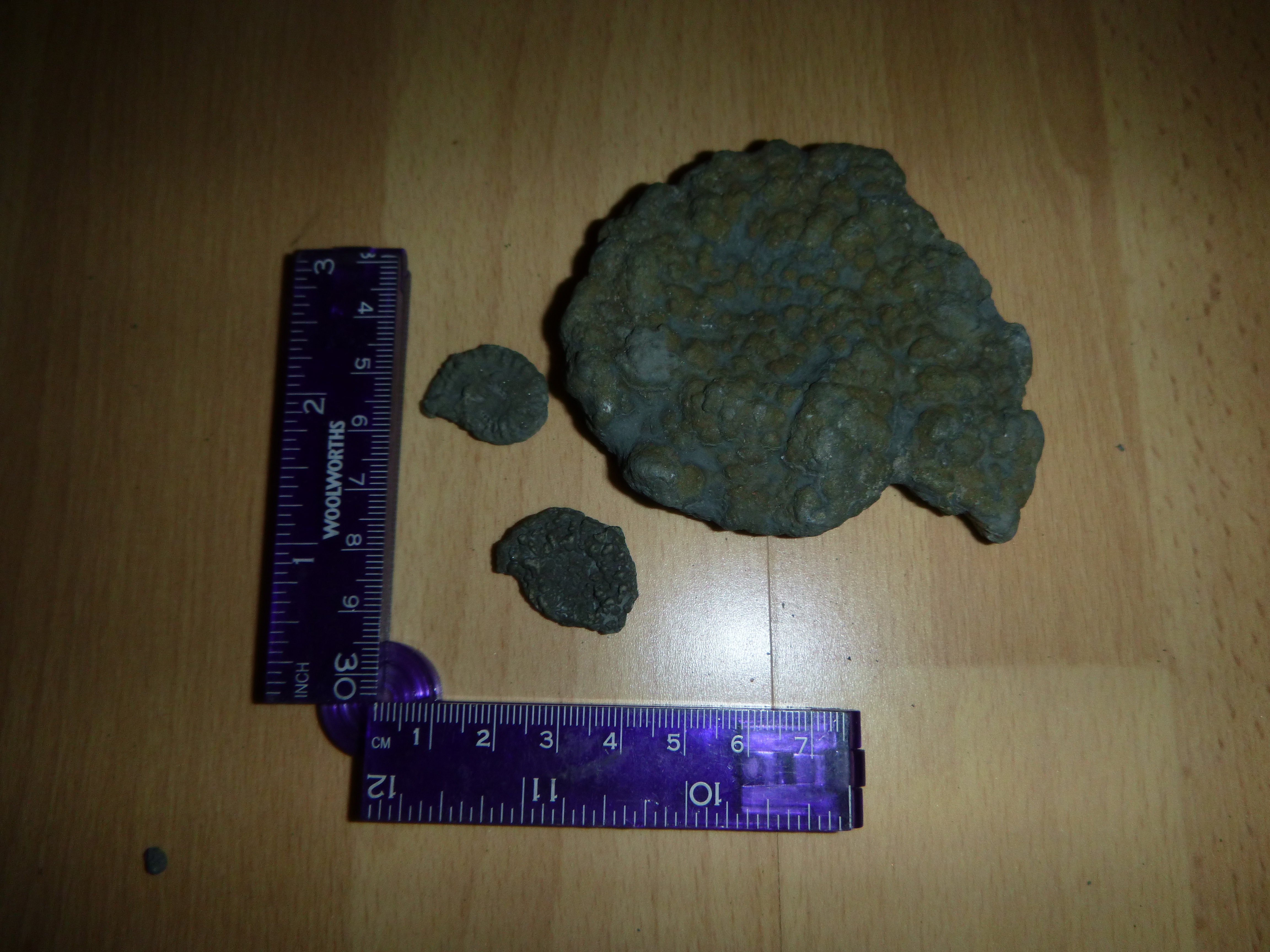
Some were encrusted with so much pyrite (fool's gold) you could barely see what it used to be!

Some were encrusted with so much pyrite (fool’s gold) you could barely see what it used to be!

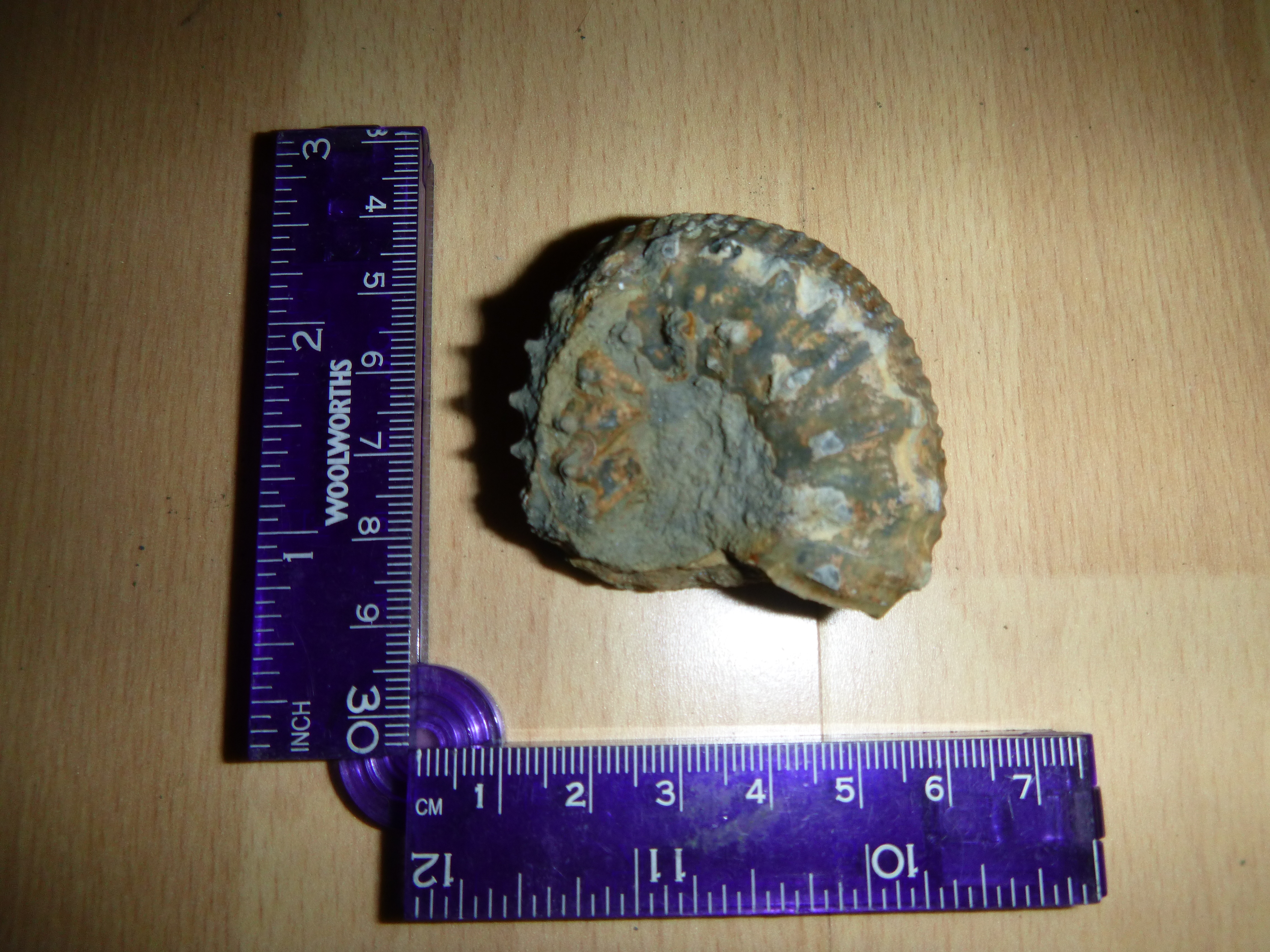
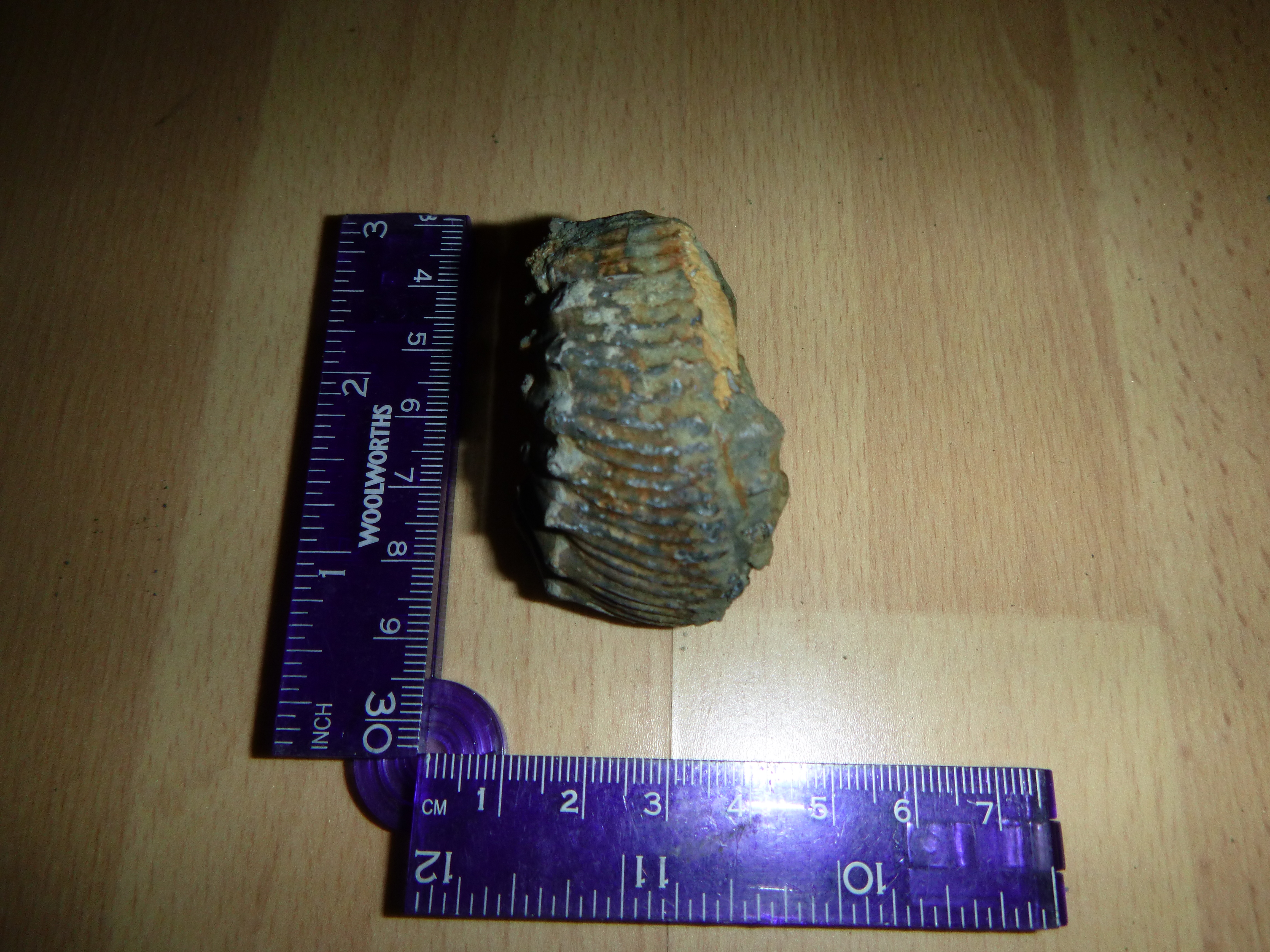
Others like this Liparoceras ammonite were easity identified.

Others like this Liparoceras ammonite were easity identified.

If a bit squished!

If a bit squished!

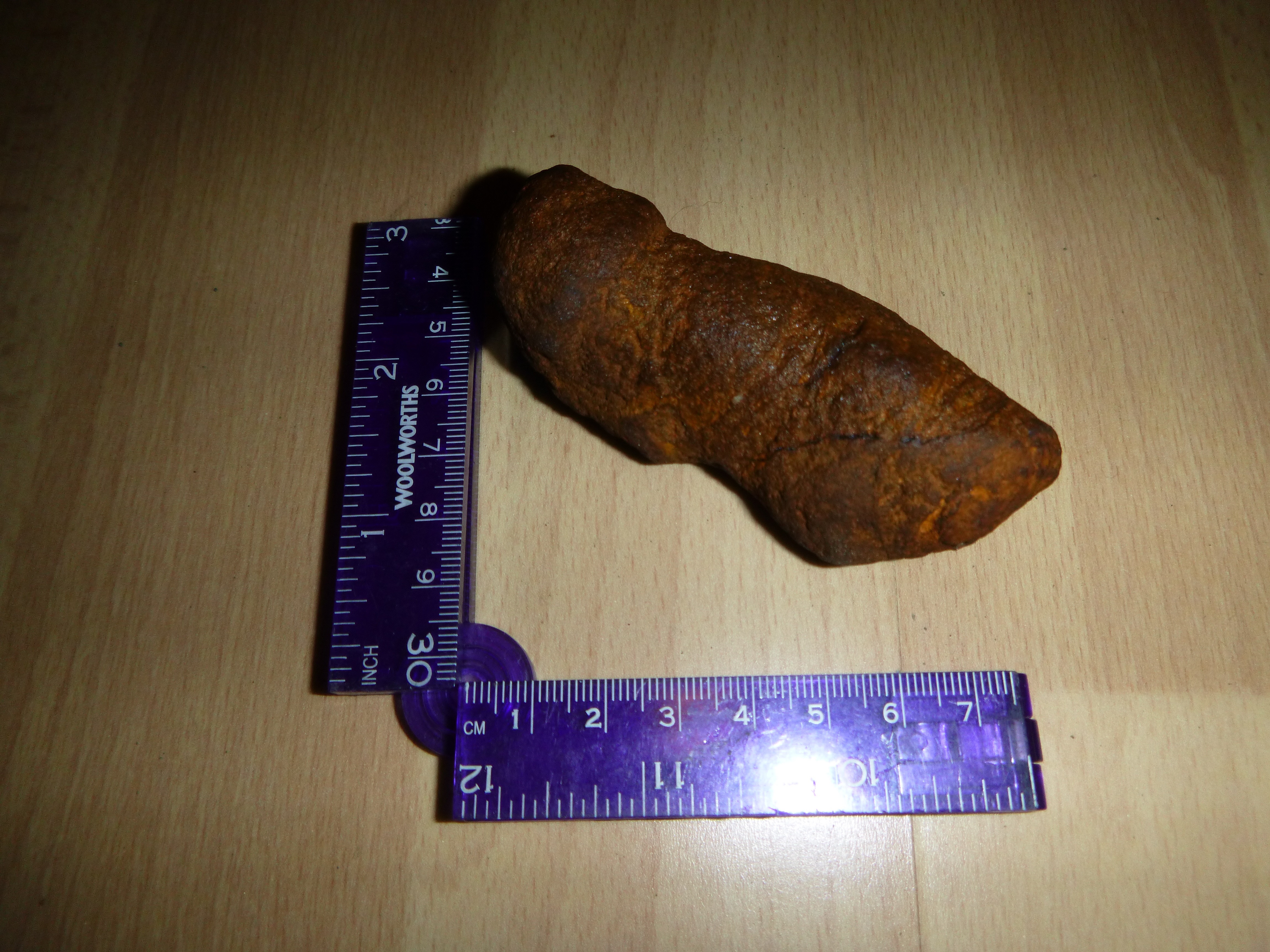
Could this be coprolite?!

Could this be coprolite?!

Nah, this is some more pyrite - really weathered though.

Nah, this is some more pyrite – really weathered though.

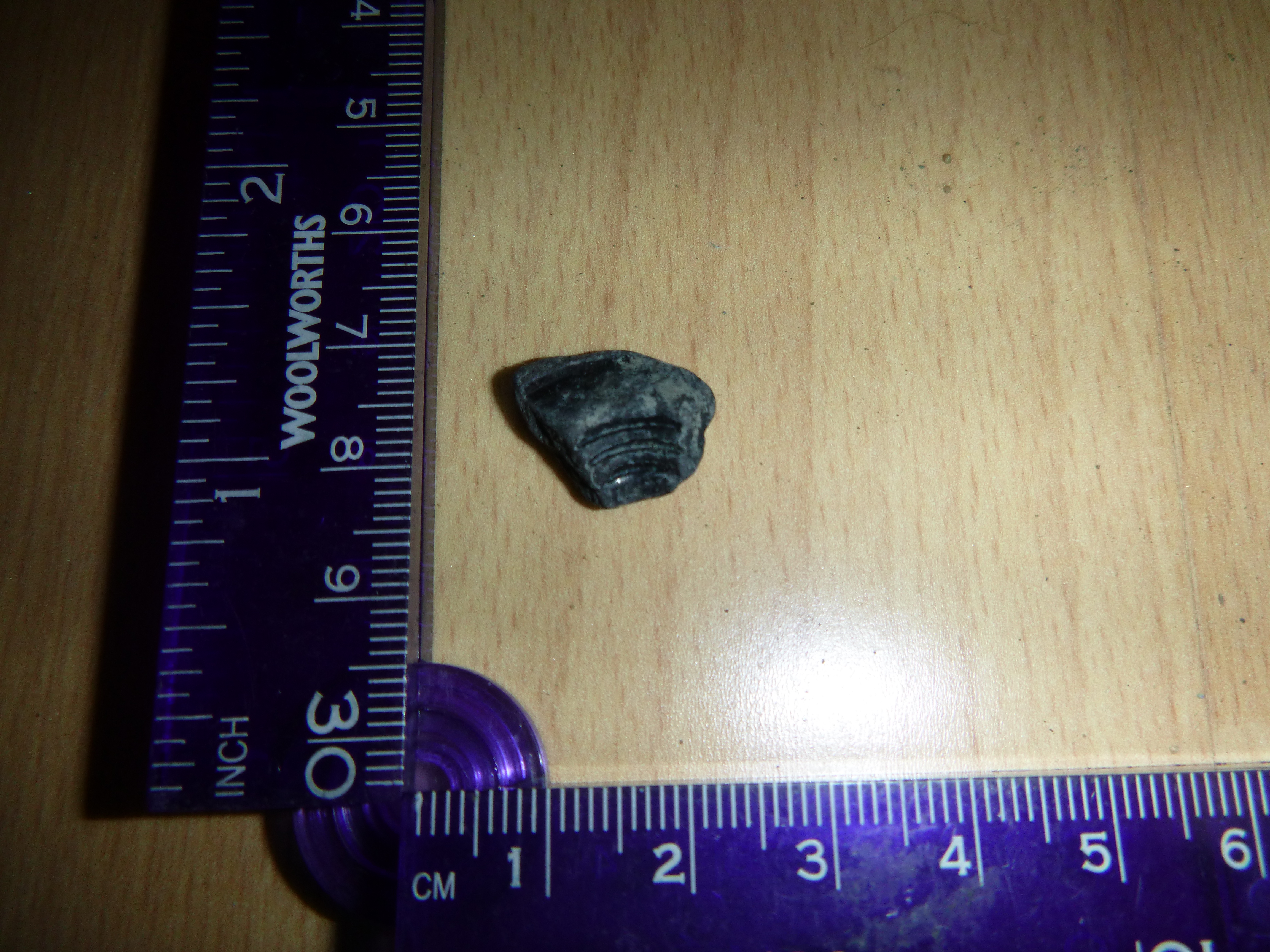
This looks like it could be something...

This looks like it could be something…

So long as that something is plastic!!

So long as that something is plastic!!

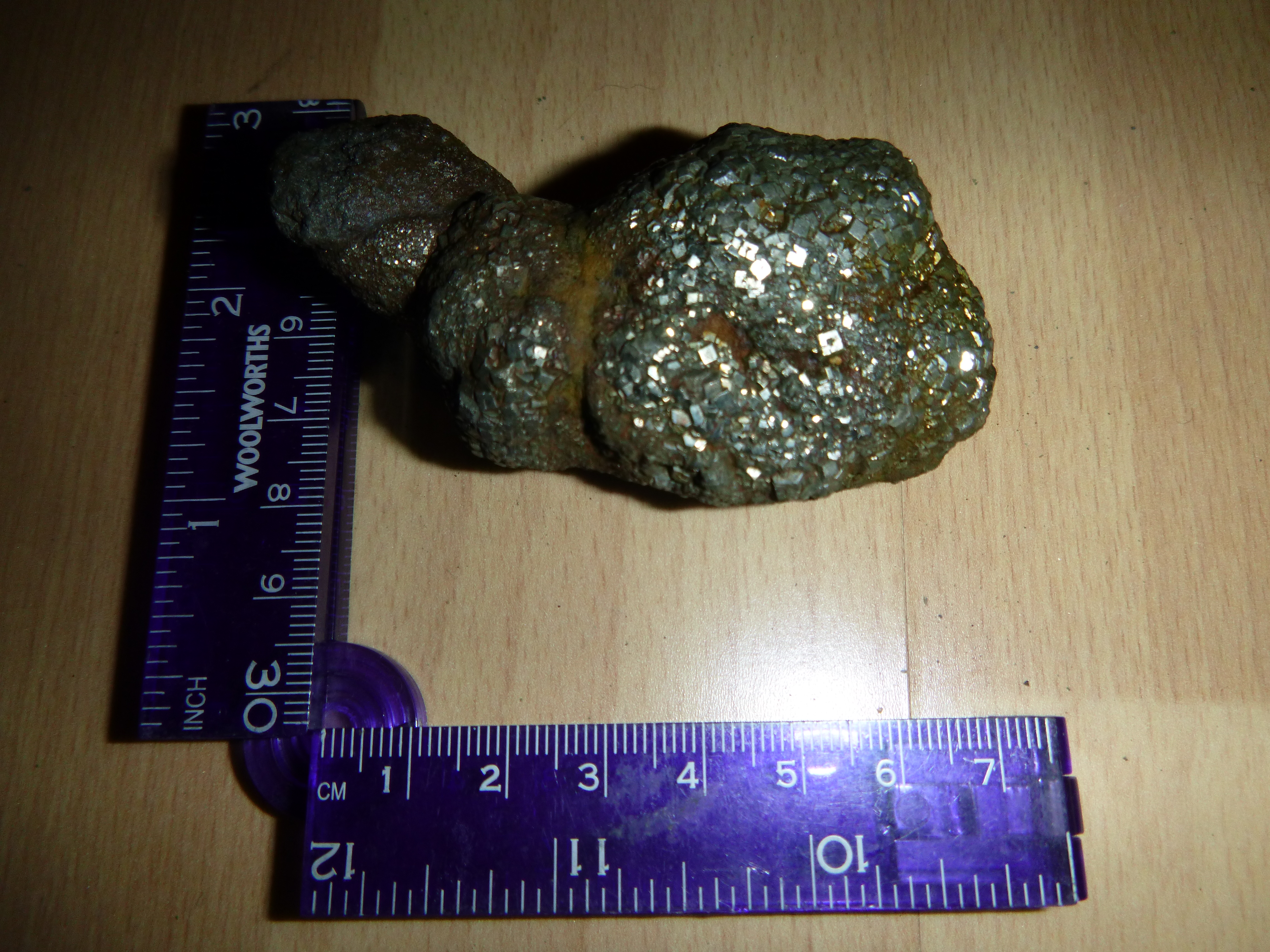
There were some beautifully cubic pyrite crystals...

There were some beautifully cubic pyrite crystals…

Although I love finding fossils, after my time as the Identification Officer for Earth Sciences at the Natural History Museum in London I also like to try and spot the stuff that looks like it should be something, but isn’t – the pseudofossils. Hence the fake coprolite and fake ichthyosaur bone fragment!

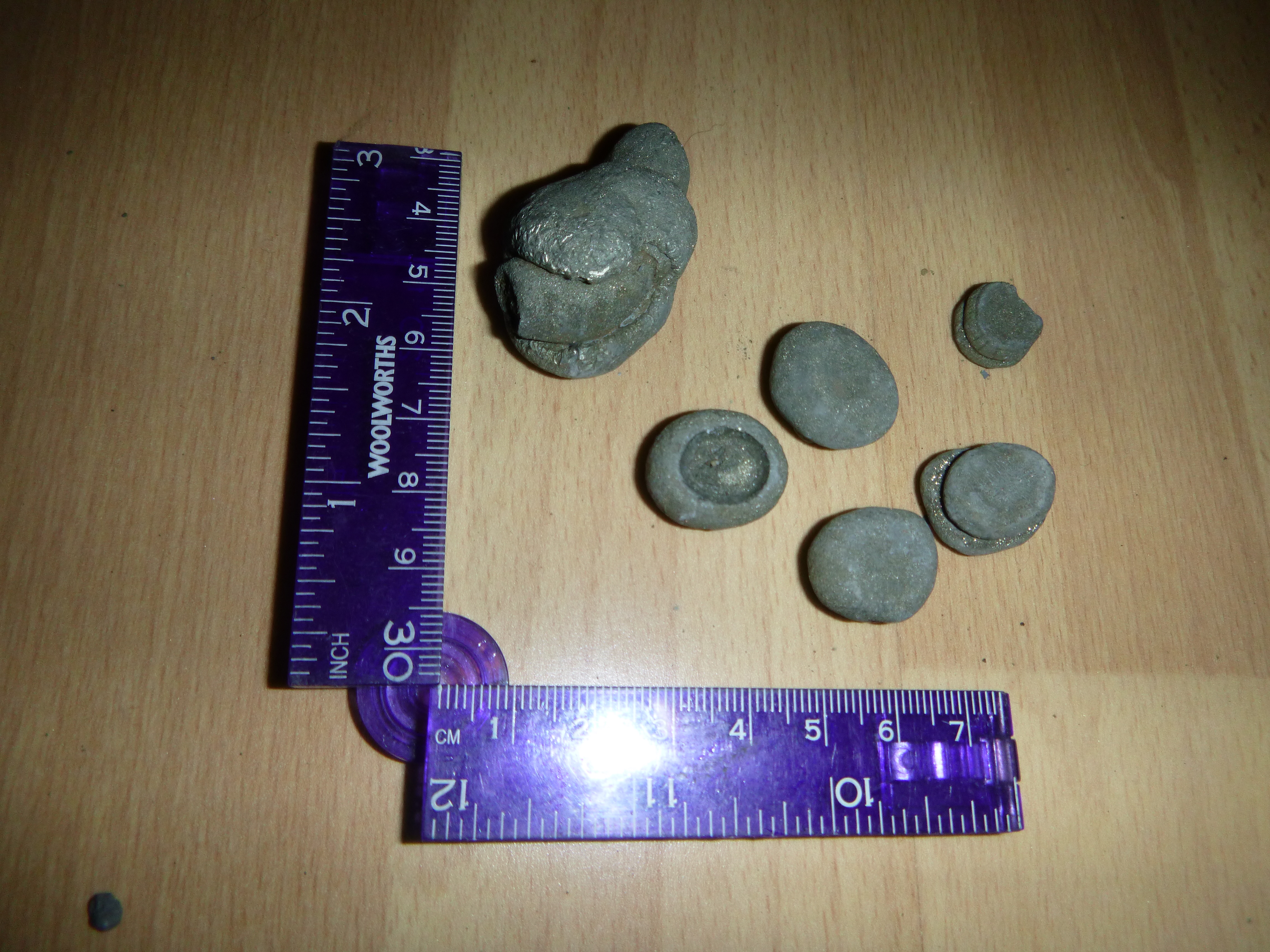
But does anyone know why the pyrite has grown like this? They look like mushrooms!

But does anyone know why the pyrite has grown like this? They look like mushrooms!

I was stumped by why this pyrite had grown like this – there was loads of it! Does anyone know why this pyrite grows like mushrooms?!?

By the end of the day we were tired, muddy and a bit rained on, but very very happy!

Thanks Charmouth, you were awesome!

All in all, a very satifying day!!

All in all, a very satifying day!!

Christmas quilting. With ammonites!

Merry Christmas everyone!

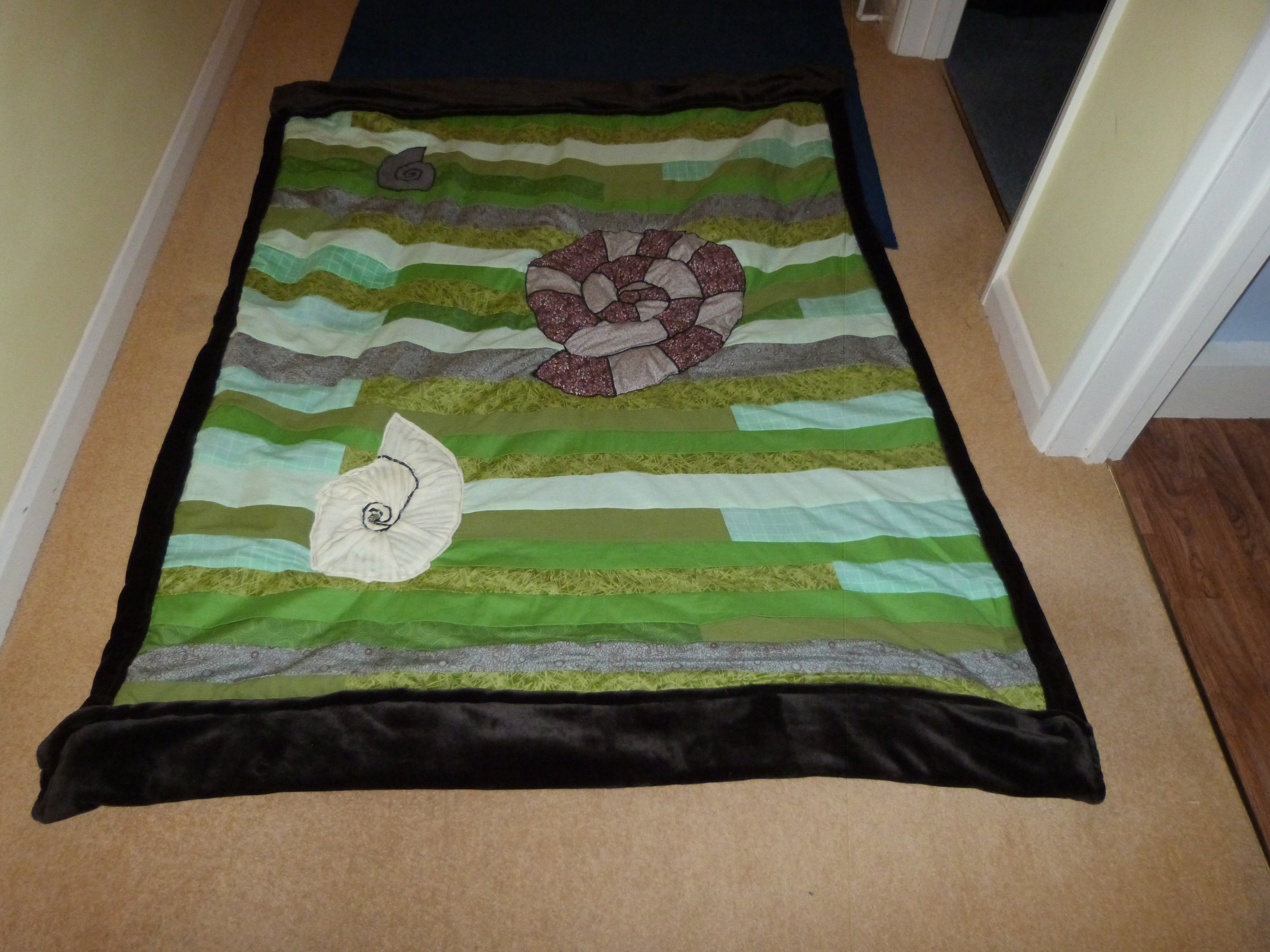
I hope you had a great holiday and were properly jolly all week! I can now post something that I have been working on for a while, but couldn’t write about before, because it was a present for my sister.

A Christmas Quilt!

Because who doesn't need a quilt with ammonites!!

Because who doesn’t need a quilt with ammonites!!

But not just any quilt – my sister is a keen amateur palaeontologist and likes nothing better than scouring the beaches of the southwest looking for a good fossil. So obviously her quilt had to have some fossils on it! This quilt is a bit smaller than usual as it is a sofa throw quilt, but would suit for the end of a single bed.

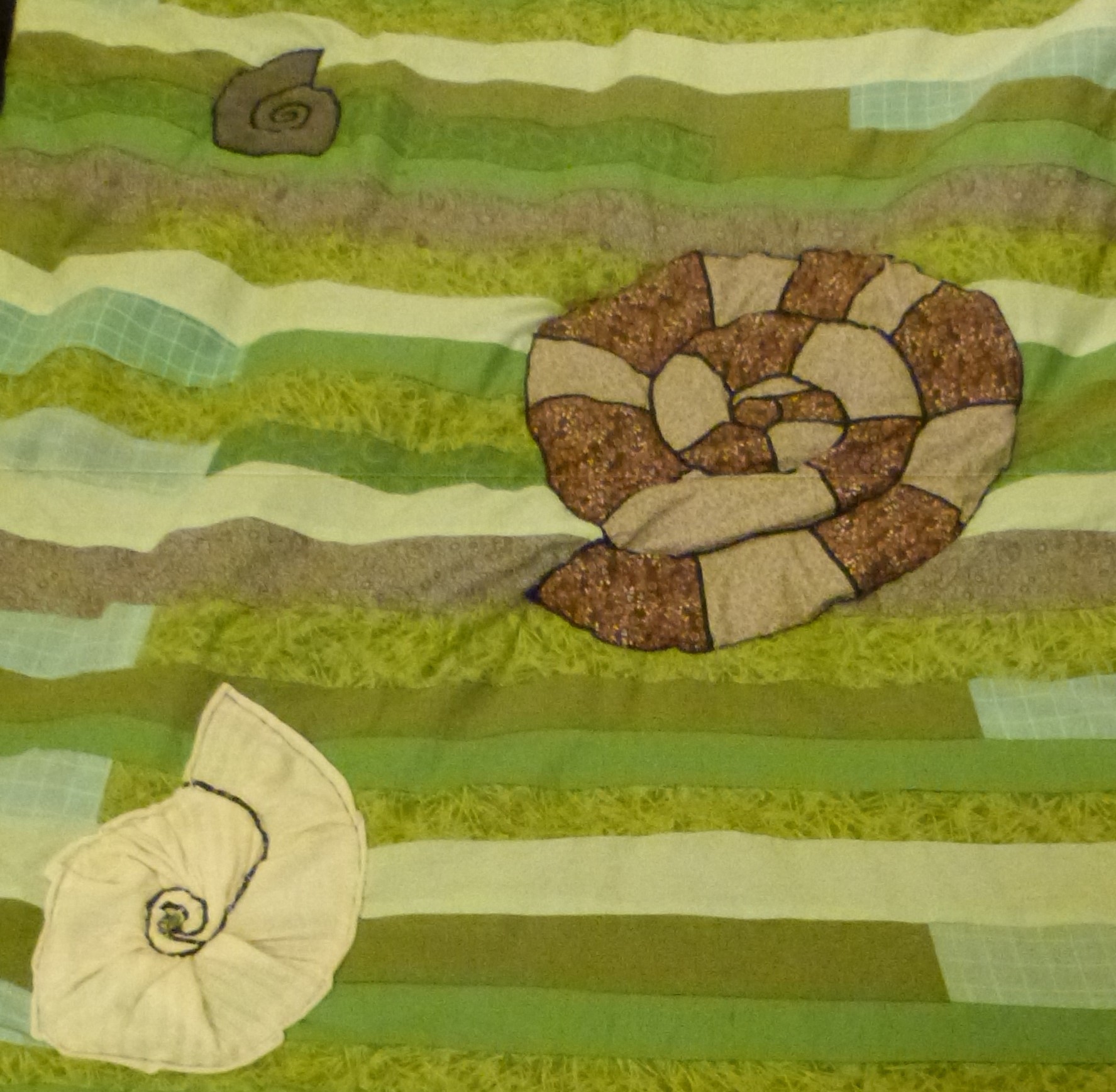
A close up of the 'ammonites'

A close up of the ‘ammonites’

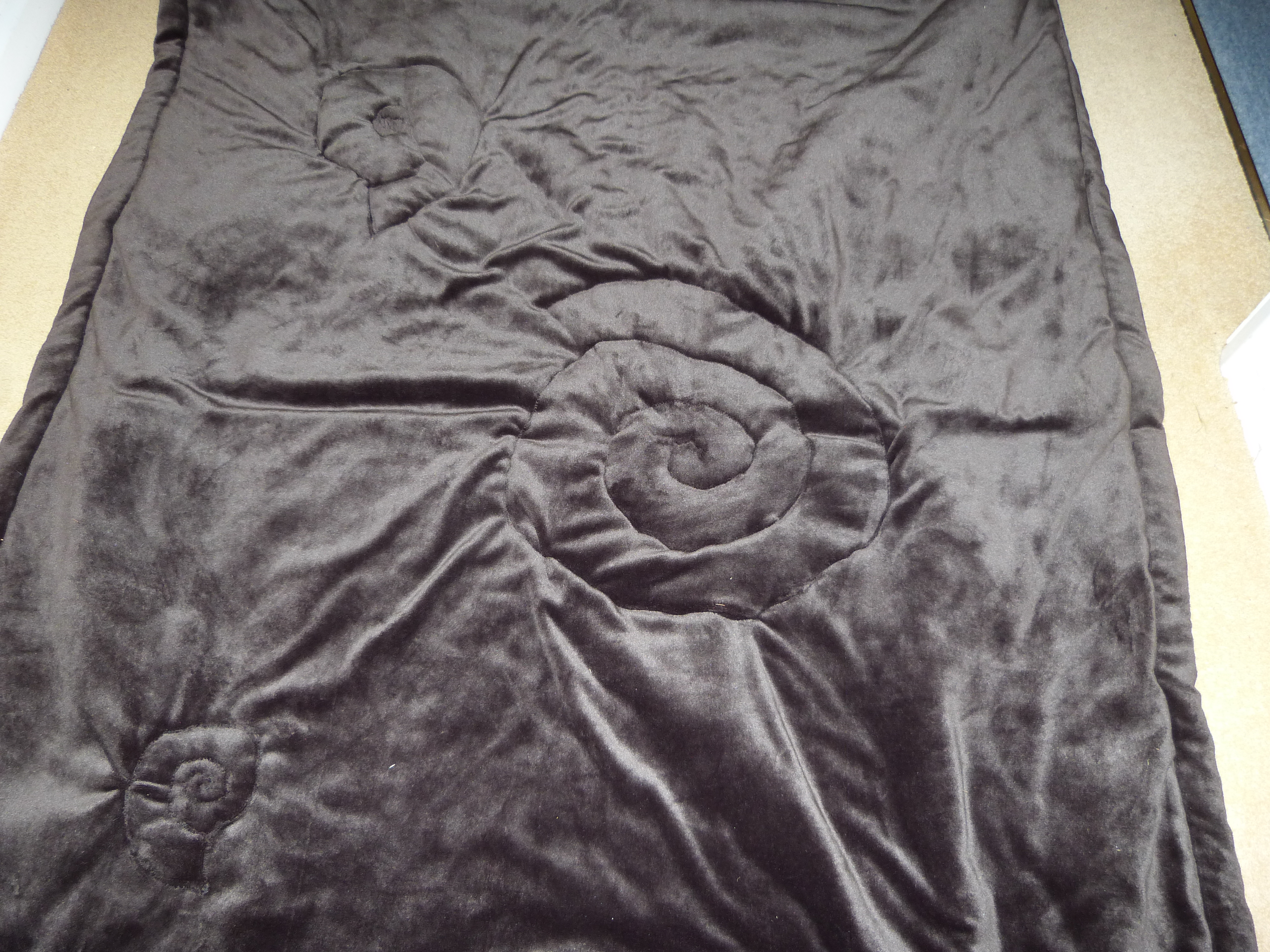
I made the front using off cuts of old fabric pieced in a simple stripe patchwork and then used fur for the backing (because my sister’s house is quite cold and it’s snuggly). Because it’s a fossil quilt I decided to appliqué some ammonites onto the front, but I wanted the pattern to be peeping through the back as well, just like you might see if you saw a rock with a fossil in it – so I used the ammonite pattern to bind the front, back and wadding together! This did make the binding quite loose, but as it’s a small quilt that isn’t so much of a problem. Using fur for the back made the binding quite difficult and it is a bit messier around the edges than I would have liked, but she seems to like it and it will do well for her front room.

The whorl pattern of the ammonite was used to bind the quilt, giving just a hint of the ammonite pattern on the other side.

The whorl pattern of the ammonite was used to bind the quilt, giving just a hint of the ammonite pattern on the other side.

Materials I used:

3m soft brown fur (for back and hemming)

2.5m wadding (2oz)

A selection of off cuts to make a 2m x 1.5m patchwork

Green and Black threads for sewing machine (and a sewing machine to make things easier)

Contrasting colour fabric for the ammonite appliqué

Final quilt was 3m x 2.5m.

If you want more information on quilt making along with some excellent tutorials, I recommend looking at Amy Smart’s blog – Diary of a Quilter.

Happy New Year!

How to use a geological map (or where to find an ammonites armour).

When you go fossil hunting, one of the most important things to do is to know what you are looking for. There is no point in looking for a Mammoth skull in a place where the geology is not old enough for Mammoths to be buried there. It’s the same idea as not going fishing in a desert (though geologists sometimes find fish in deserts, but that’s another story). No, in order to know what fossils you expect to find, you need to know about geological maps.

Geological Maps of Britain 1:625 000 Scale BGS

These maps show the bedrock geology – the geology under the soil – for Scotland, Wales, Engand and a bit of Northern Ireland (sorry – overlap is obscuring most of NI)

This is a geological map of Britain. You may realise that it looks a lot like a normal map, except that instead of roads and countryside it has strange bands of colour swirled across it. These bands of colour represent the geology, but I’ll get to that in a minute. First you need to find out where you are on the map.

For argument’s sake I am going to choose Whitby, because I know that is a good place for fossil hunting, but you could start by looking where you live, or somewhere you really want to go looking for fossils (by the way if you don’t have a geology map of your own and can’t find one in your library you can use the digital one on the British Geological Survey website – it’s not as detailed, but you get lots of great extras).

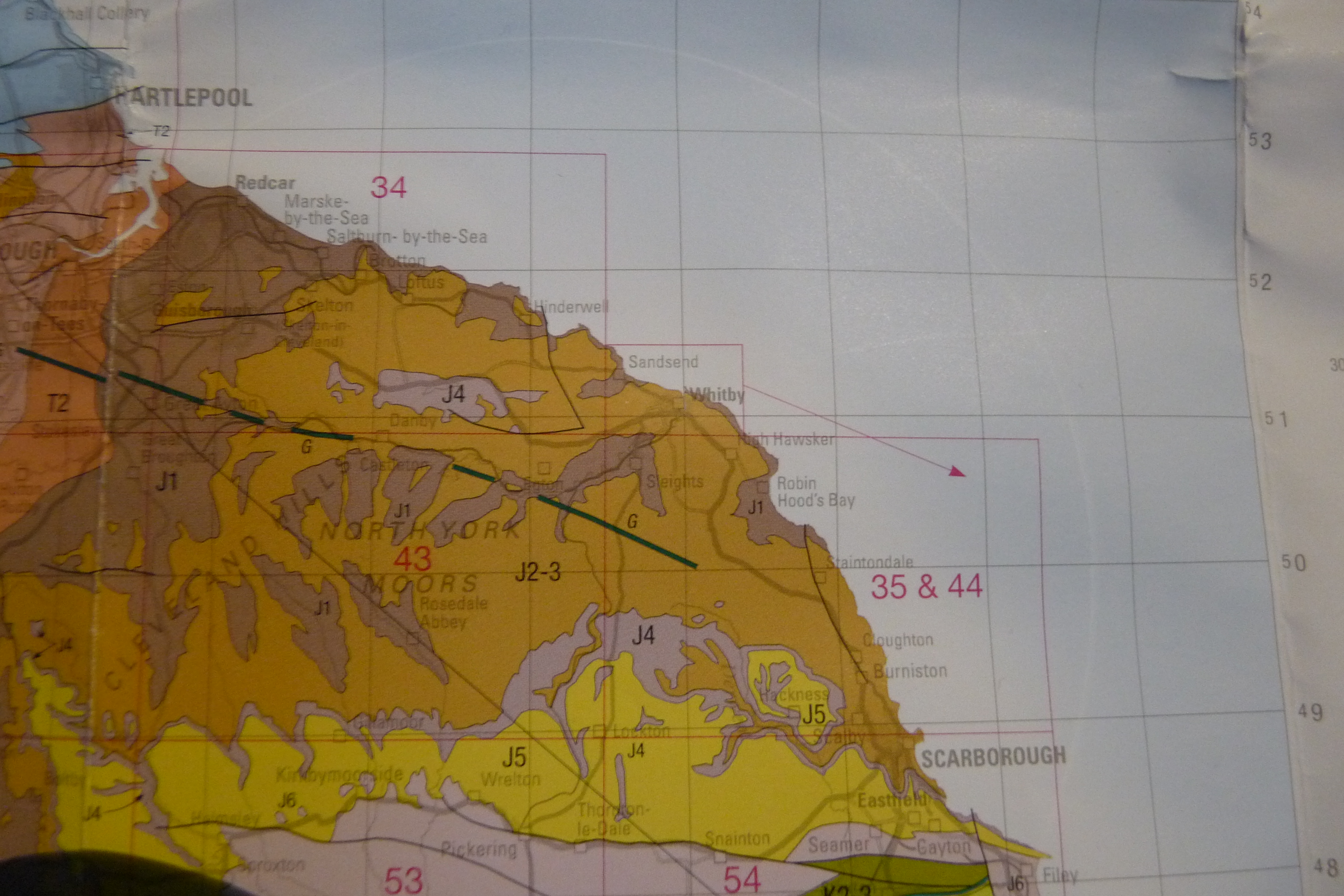
The geology of Whitby

This shows a close up of the geology around Whitby.

So take a closer look at your area. As you can see in this photo the colours on the map around Whitby are:

  • A purpley brown with the letters J1 written in the space
  • An orangey beige with the letters J2-3
  • A light purple with J4
  • A yellow with J5

Which is all well and good, but what does it mean? And how does this help us find our ammonite? Well just to give us context, if we zoom out from Whitby a bit you can see that the nearby area also has greenish bits with ‘K’s on them and pinkish-orange bits with ‘T’s on them.

The geology between Hartlepool and Flamborough Head

This map has zoomed us out a little bit to show some of the other colours in the area.

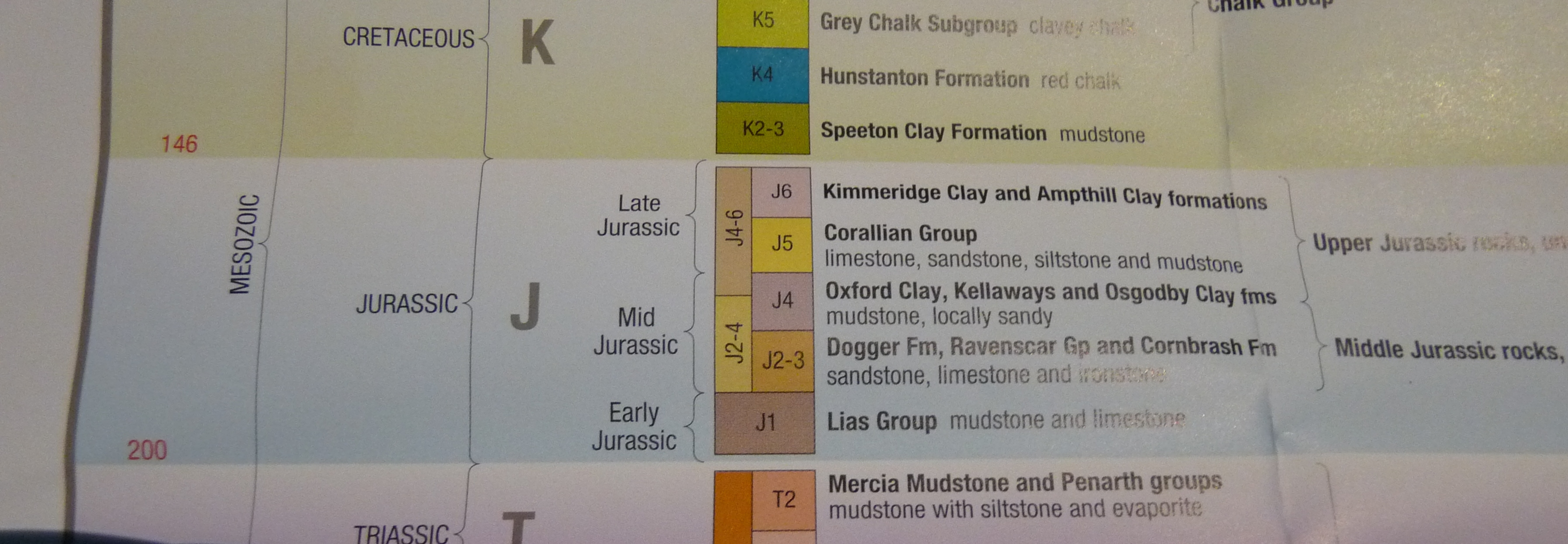
To find out what this means we need to look at the legend at the side. This is like the key and tells you lots of useful information. Let’s start with what the colours mean.

BGS Bedrock Geology North UK 1:625 000 legend

This is the legend for most of the rocks on this map (there is more but I couldn’t fit it easily on one image)!

Well the first thing that I always notice when I look at the legend of the map is that the colours are all arranged roughly together (there are oranges, blue-greens, beiges, and purples), and that the letters are grouped together as well. So if we think about the ‘J’ letters we were looking at, you can see that they are in the purple-brown section and are linked to an era called Jurassic. This is the geological age of the rocks in this area – it means that all the rocks with a J on them are Jurassic.

This word will probably be familiar to you if you go fossil hunting because here in this country we get a lot of fossils from the Jurassic – including ammonites! So we know we are on the right track. If we look around the Jurassic section, you can see those pinkish-orange colours by the big T are related to the Triassic and the greenish colours above with the K are related to the Cretaceous. Now although you can find fossils in these areas they are a bit far from Whitby, and I think we will find some interesting fossils in the Jurassic age rocks; let’s stick with them.

Zoom in on the legend

This is close up of the part of the legend that relates to Whitby on the map.

So going back to Whitby, if we want to find some fossils we need to know what kind of rocks to look for. Now to start out at the basic level, we already know we need to find a rock made of sediments (mud, sand, clay etc – the sedimentary rocks) because any rock that has crystals in it (like a granite or a marble) can’t have fossils (those are the igneous and metamorphic rocks). I’ll go into that more later, but first we are thinking about Whitby. So if I look back at my map I can see that the rocks immediately around Whitby are purpley brown with J1 on them. If I read that section of the legend it says:

Early Jurassic {  J1   Lias Group  mudstone and limestone

Ok well the first part (Early Jurassic) is just telling us the age of the rocks. This means these rocks are the oldest in the Jurassic period – if you look to the left a little you can see that the Jurassic started approximately 200 MILLION YEARS AGO!! The second is our letter that led us here. The third is the geologist’s name for these rocks – the Lias Group – it helps geologists to link different rocks together and match them across different parts of the country. The fourth part is the most helpful. Mudstones and limestones.

Shale with bivalves and ammonites

This is a type of mudstone – a shale – with lots of little fossils in it.

This tells us the type of rocks we are looking for – mudstones are stones made of mud (obvious huh?) that are brilliant at preserving fossils and limestones are rocks that are pretty much made of fossils. As a quick guide, mudstones are usually grey (especially in this part of the country) and form lots of layers in rocks. They can look a bit like slate but are very easy to break apart. Limestones can be grey, white or cream coloured depending on the fossils, but fossils in them can be pretty small and sometimes are really broken up, so we are going to focus on the mudstones.

So we know where we want to look – Whitby – what era the rocks will be – Jurassic, specifically Early Jurassic – how old they will be – about 200 million years old (specifically between 201-175 million years old) – and what type of rocks we are looking for – mudstones.

So when we go searching here do we know what kind of fossils to expect to find? AMMONITES! Just like Dactylioceras. This means we probably aren’t going to find a mammoth skull here, the rocks are too old! Same for looking for desert rocks, these rocks are too young for that period of our history. So by looking at a geological map you can know what type of fossils you should expect to find.

Geological maps are useful for lots of other things too, but I just want to go back to those bands of colour we saw on the first image. If you are really interested in finding ammonites, but had already looked in Whitby; a geological map can show us where in the country to find rocks of the same age (Jurassic) or type (Lias Group). You see that big purple swathe across the country down to Dorset? Those rocks are all Jurassic. So in theory you could find ammonites anywhere along that line! But remember only some places are safe to collect in, so check before you go running off to your nearest patch of purple-brown!

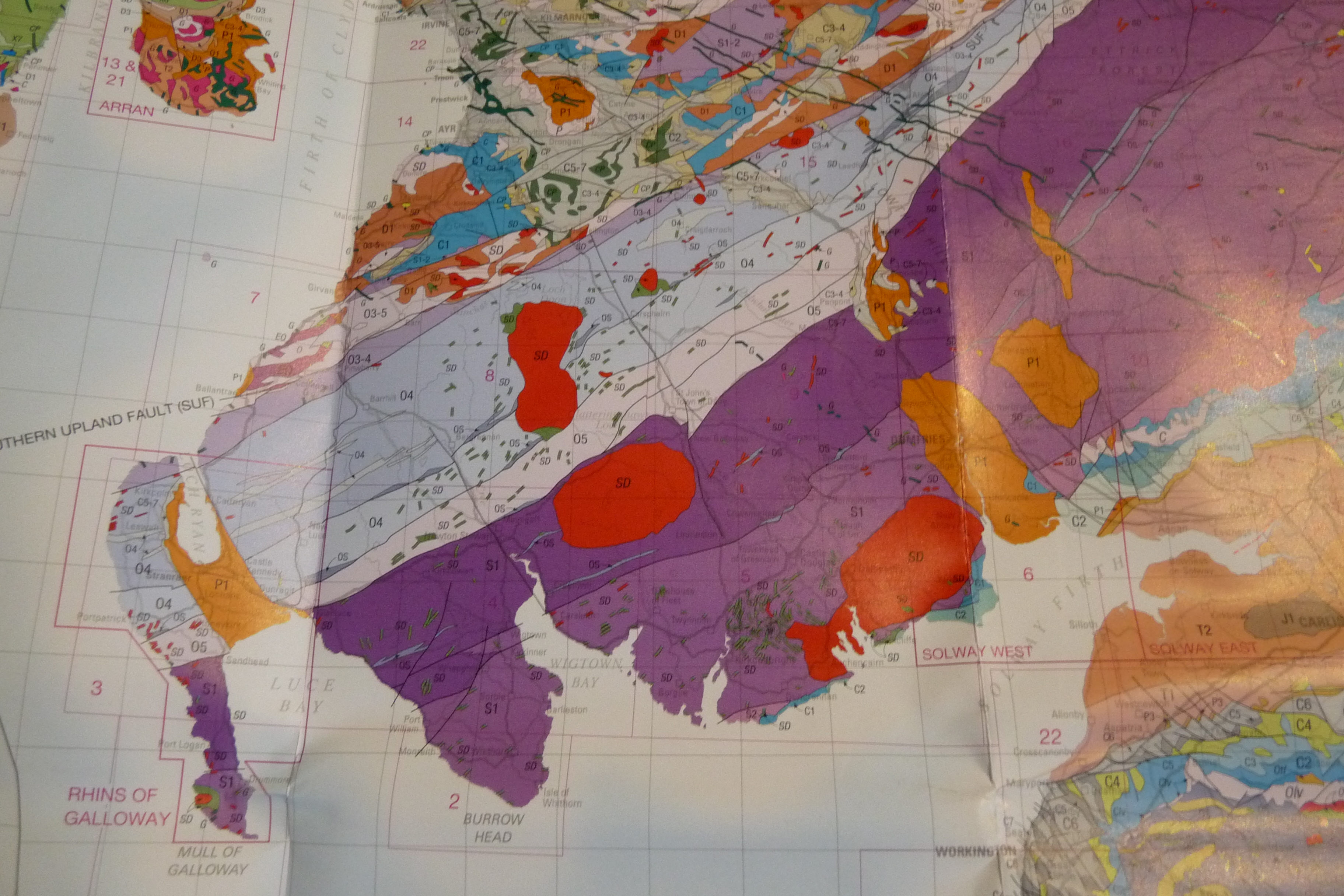
One final thing to point out is that if you live in certain places you aren’t going to find any fossils. These are places that have igneous or metamorphic rocks and you can spot them on your map initially by looking for the big red blobs.

Igneous provinces in the Lake District

These big red blobs mark where volcanoes used to be and are a sure fire way to find some brilliant rocks and minerals – but no fossils.

Although you are not going to find any fossils in the red blob areas you will find some fantastic volcanic rocks and some amazing and even sometimes really rare minerals and crystals.

If you want to find out more you can check out the British Geological Survey‘s webpage, they have loads of info on the maps they make and even lots of digital ones you can take with you. Check out this pamphlet they produce as well for more in depth information.

BGS - A short Guide to Geological Maps

This pamphlet on geological maps is produced by the BGS.

So there you have it – maps, a geologist’s best friend – and that is how you find an ammonites armour.

Have a rockin’ day!

(this post was moved from my old site, so sorry for any inconsistencies)